
Last updated November 14, 2026
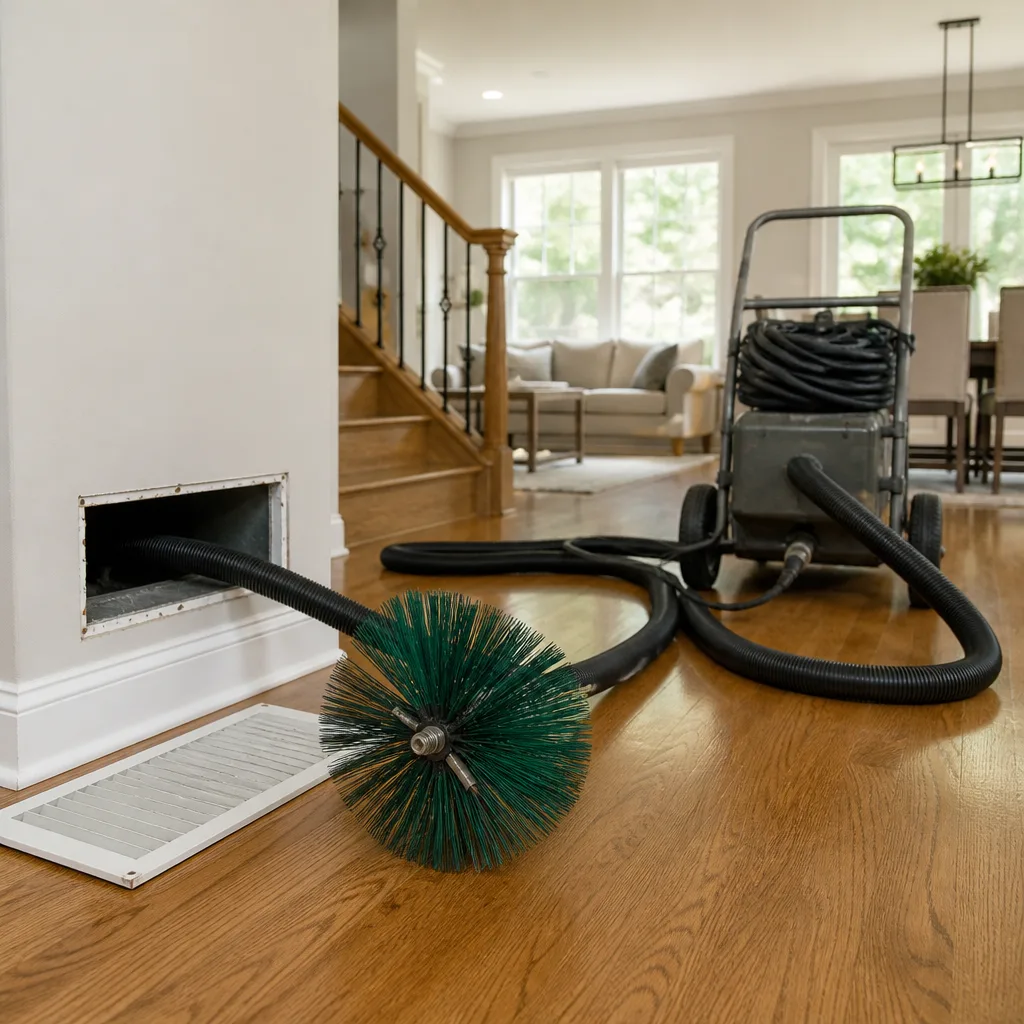 Whole-home duct cleaning
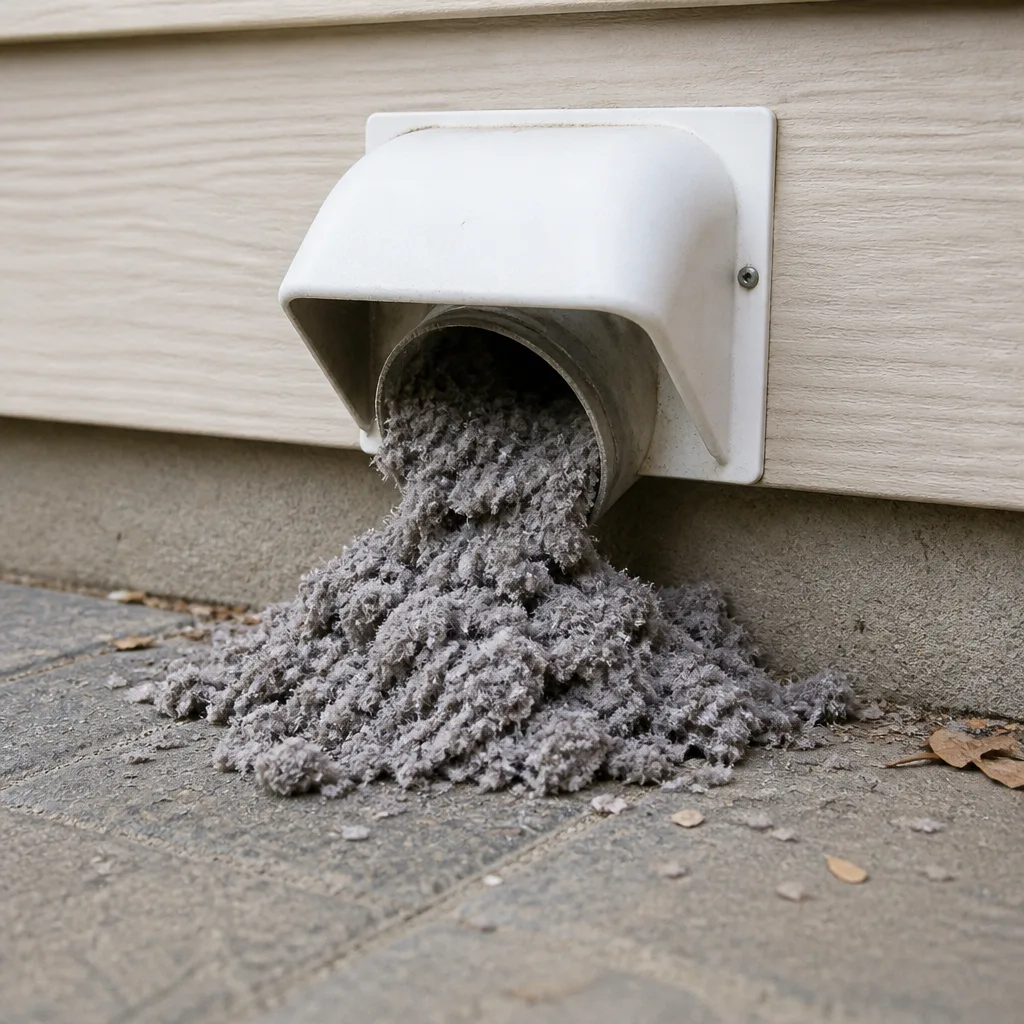 Dryer vent cleaning
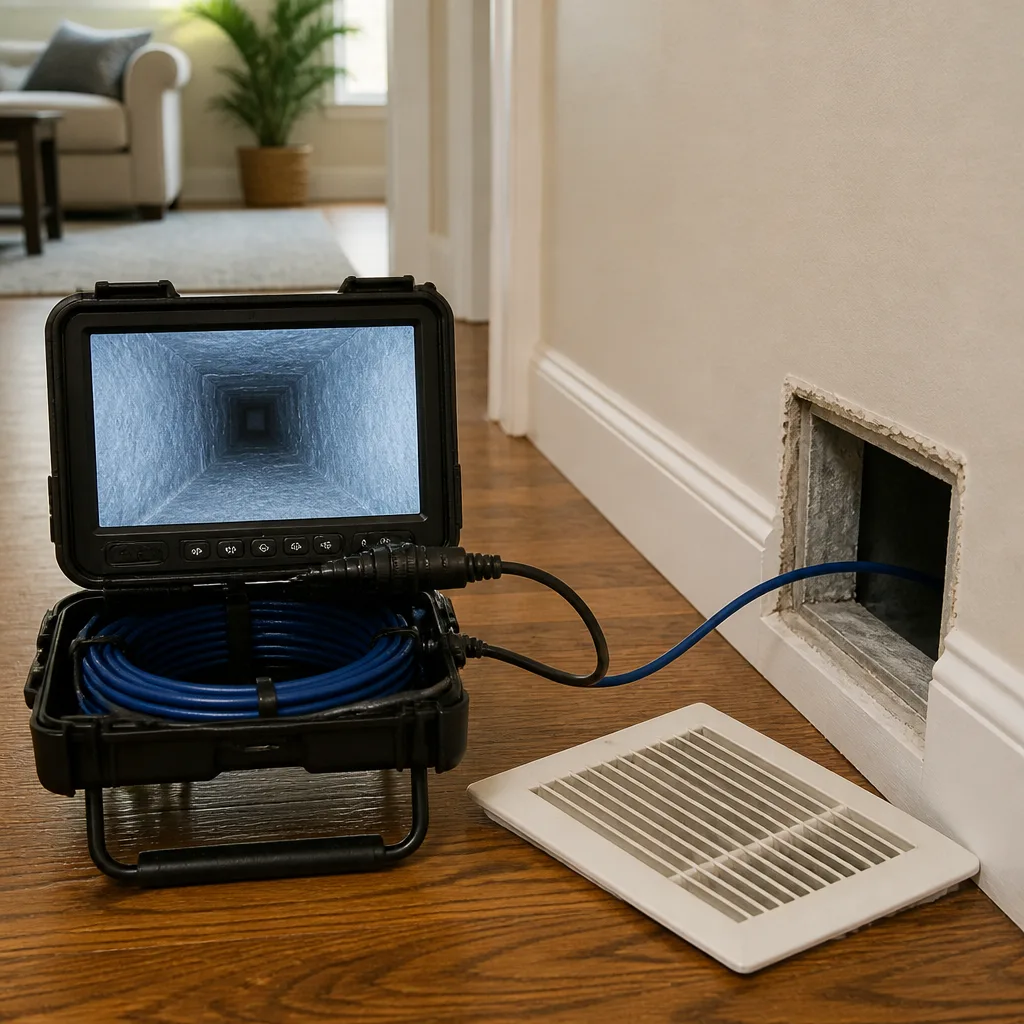 Camera inspection
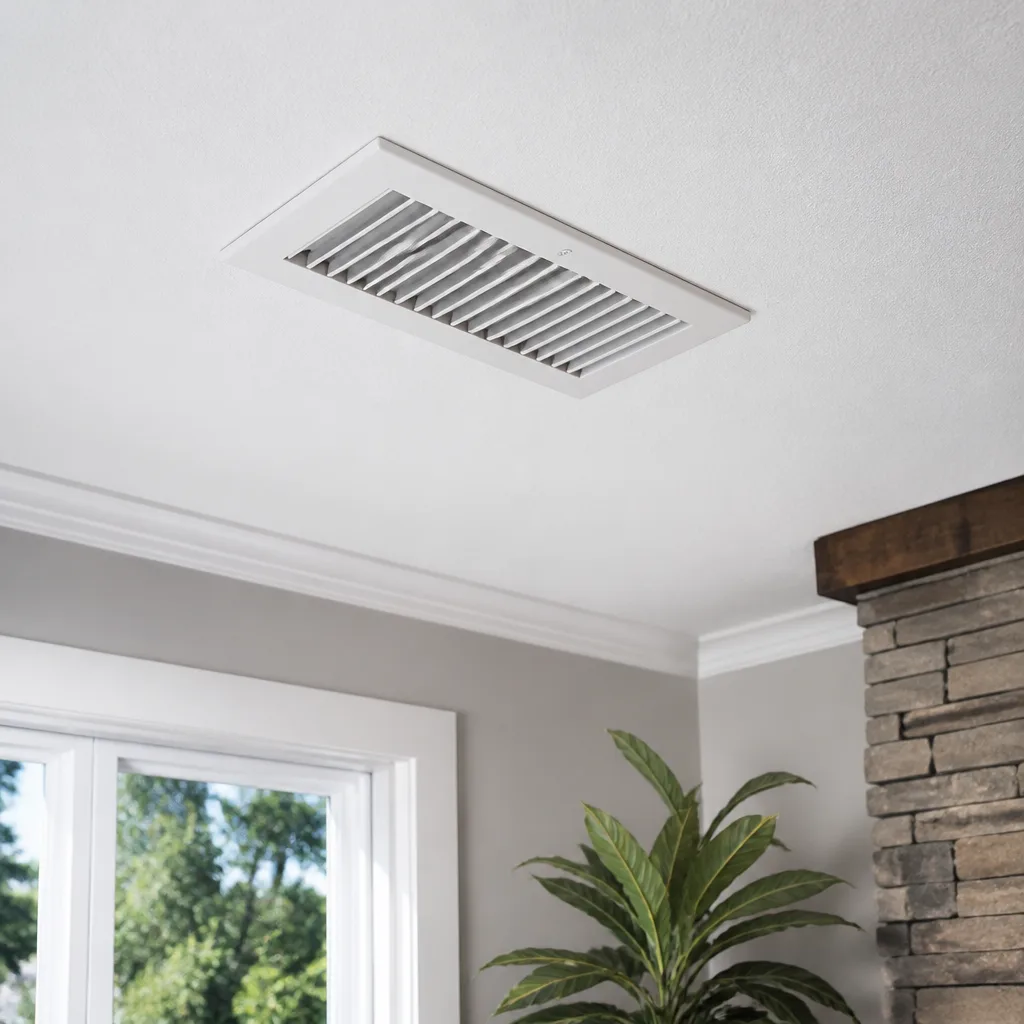 Sanitizing & deodorizing
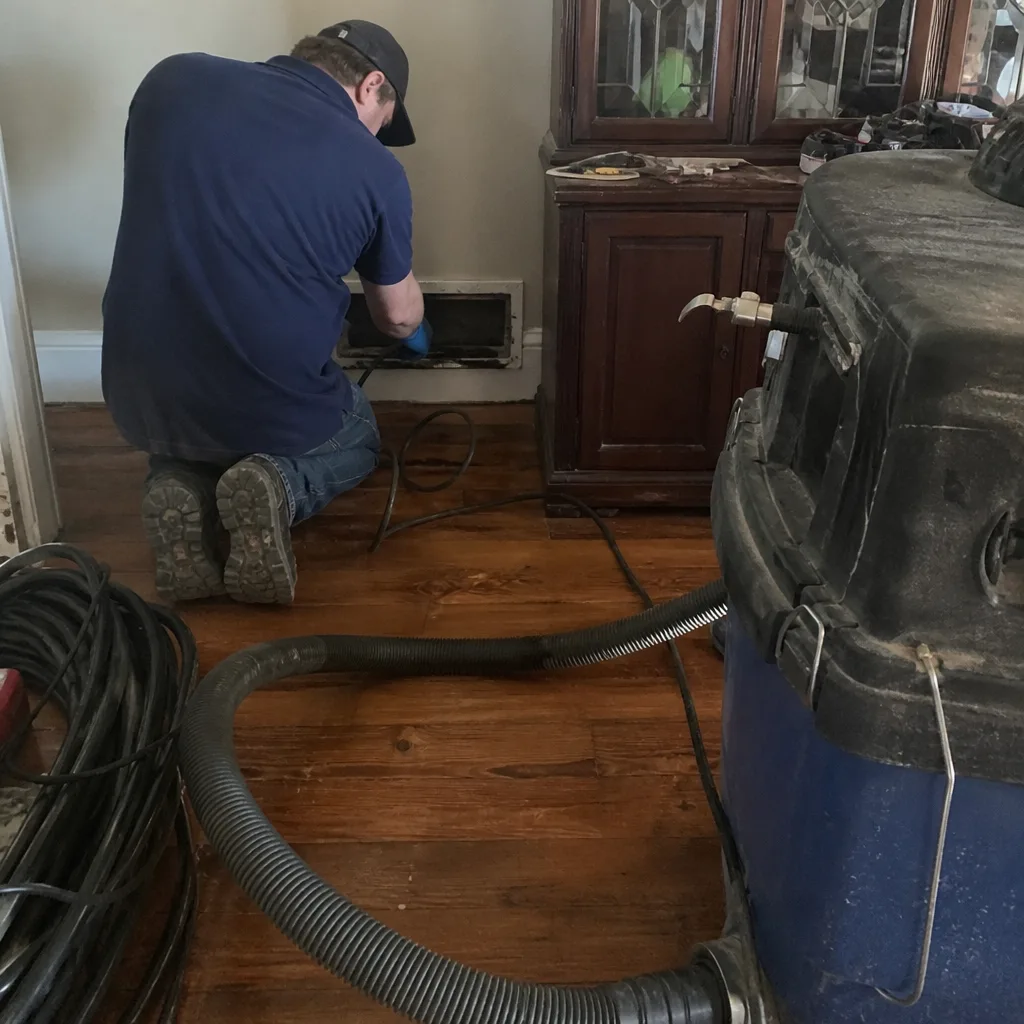
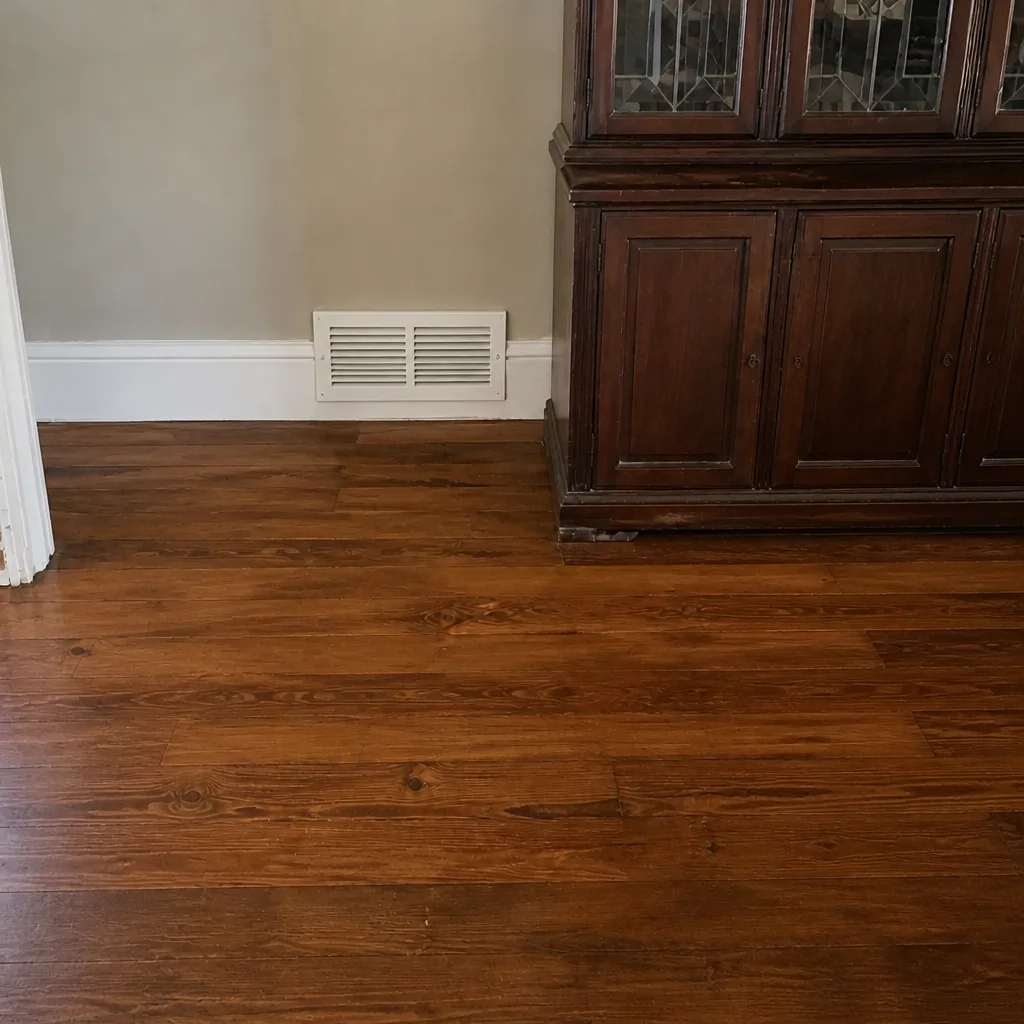
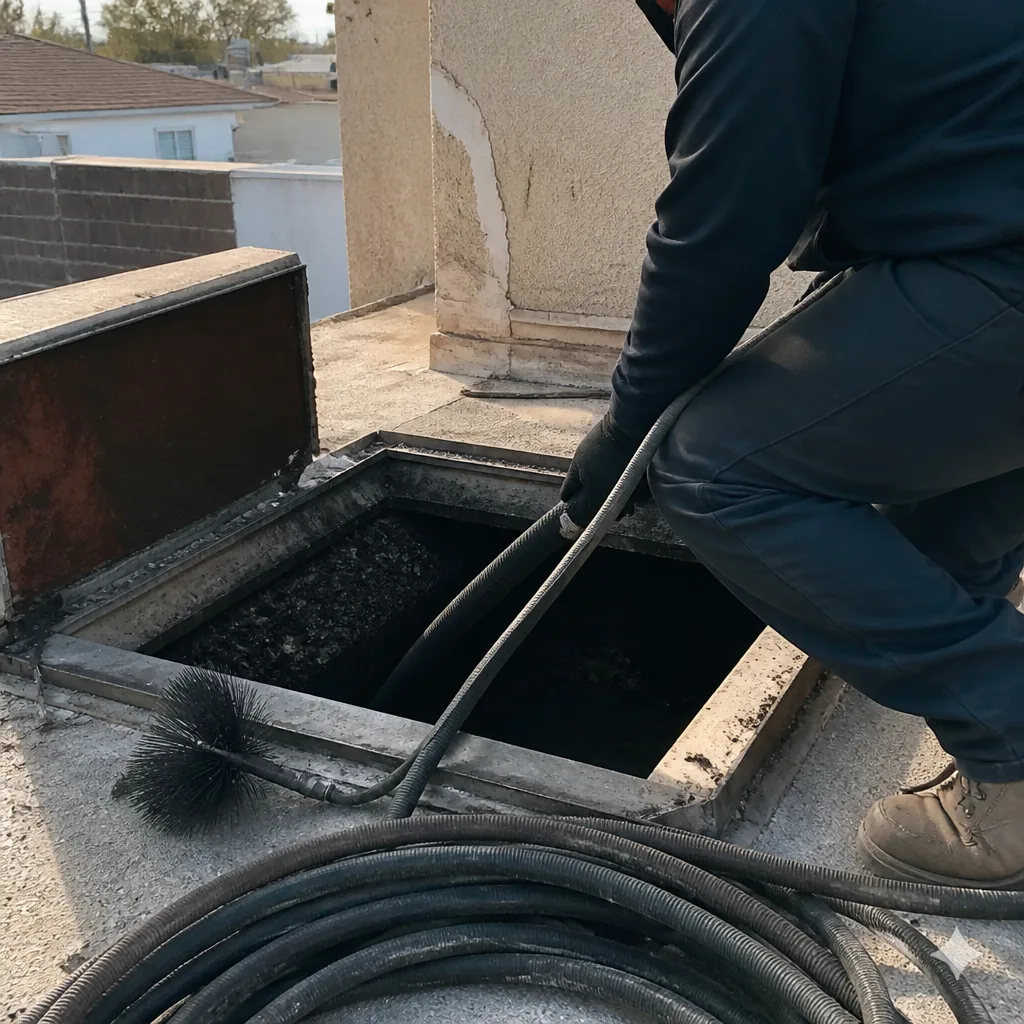
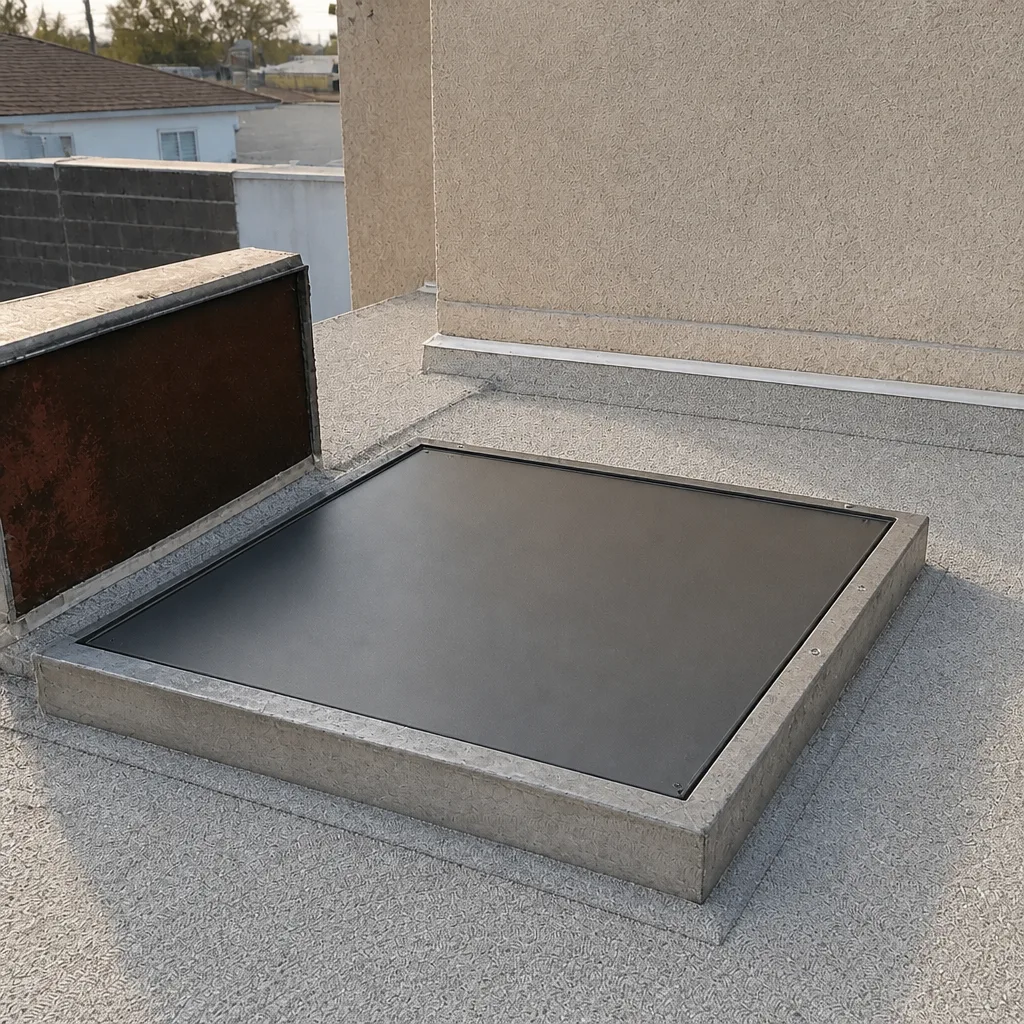
Whole-system duct and dryer vent check with before-and-after photos - you see exactly what came out of your vents
That "$99 whole-house special" is a bait ad - the real number appears once they are in your hallway, or the "clean" is a shop-vac at the register. We photograph the inside of your ducts before and after instead.
Air Duct Cleaning Maintenance Schedule: What to Do and When
The EPA’s oft-cited duct cleaning guideline was written for temperate climates. North Las Vegas homeowners who follow it are cleaning on a schedule designed for Seattle. Our HVAC systems run roughly 3,000 hours a year, nearly double what northern climates demand, which means every timeline gets compressed. A maintenance schedule built around calendar years alone leaves money and air quality on the table. Here’s how to build one that matches the way your system actually works in the Mojave Desert.
Styles & brands we work with
- Whole-home duct cleaning
- Dryer vent cleaning
- Camera inspection
- Sanitizing & deodorizing
Quick Answer
In North Las Vegas, most homes need air duct cleaning every 3 to 4 years based on runtime hours, not the generic 3 to 5 year national guideline. Homes with pets, recent remodeling, or allergy-sensitive occupants should shorten that to every 2 years. The real trigger is accumulated runtime: when your HVAC system crosses roughly 9,000 to 12,000 hours of operation, debris buildup typically justifies a professional cleaning.
Table of Contents
- Why Runtime Hours Beat Calendar Years in North Las Vegas
- How to Calculate Your System’s Actual Runtime
- Condition Multipliers That Shorten Your Schedule
- The 90-Second Filter Check: What to Document Every Change
- Duct Repair Needs Its Own Maintenance Window
- Seasonal Task Breakdown: April Startup and October Shutdown
- Common Mistakes to Avoid
- When to Call a Professional
- Frequently Asked Questions
- The Bottom Line
Why Runtime Hours Beat Calendar Years in North Las Vegas
Think of your HVAC system like a car engine. Nobody changes oil based on how many months the car has sat in the driveway. They change it based on miles driven. Your air handler and ductwork work the same way. Every hour the blower runs, it pulls air across the evaporator coil, through the return ducts, and pushes it through supply registers. Dust, pet dander, construction debris, and skin cells move with that air. Some of it settles. The longer the blower runs, the more settles.
In North Las Vegas, the cooling season stretches from late April through early October. That’s roughly five and a half months where your AC runs daily, often for 10 to 14 hours during peak summer. A typical 2,000-square-foot home here might log 3,000 hours of blower runtime per year. Compare that to a home in Portland or Minneapolis, where the same system might log 1,200 to 1,500 hours. The national “every 3 to 5 years” advice assumes that lower number.
That means a North Las Vegas system reaches the same wear-and-tear threshold in three years that a northern system reaches in six or seven. Calendar-based schedules don’t account for this. If you clean every five years here, you’re effectively letting your system run twice as long between cleanings as the guideline intended. Understanding this distinction is the foundation of any honest air duct cleaning schedule.
The right approach is mileage-based. Track runtime, not birthdays. When you know your system’s actual usage, you can schedule cleaning when your ducts genuinely need it rather than when a generic calendar reminder says it’s time.
How to Calculate Your System’s Actual Runtime
Most homeowners have no idea how many hours their HVAC blower actually runs. But you can get a solid estimate with two methods. Neither requires specialized tools, and both give you real data instead of a guess.
- Use your smart thermostat’s runtime report. Most wifi-enabled thermostats, including many Honeywell models, track daily system runtime. Log into the app and look for a runtime or usage report. Many will show you hours per day, month, or season. Multiply daily average by 365 to get annual runtime. If the report shows seasonal totals, add cooling season hours to heating season hours.
- Estimate from outdoor temperature patterns. In North Las Vegas, a reasonably efficient home typically runs its AC when outdoor temperatures exceed 78°F during the day and fails to drop below 72°F at night. From June through August, that’s most days. Count the days your AC cycled on, estimate hours per day (common range: 8 to 16 in peak summer), and multiply.
- Check your smart meter or energy portal. NV Energy’s online portal shows hourly and daily electricity usage. Compare summer usage spikes against spring or fall baselines. The difference is primarily HVAC load. A 15 to 25 kWh daily increase during summer months typically means 8 to 12 hours of AC runtime.
Once you have an annual runtime number, map it to a cleaning interval. The practical threshold we use is 9,000 to 12,000 hours of accumulated runtime. At 3,000 hours per year, that’s every 3 to 4 years. At 2,000 hours per year, that’s every 4 to 5 years. At 3,500 hours or more, start thinking every 2 to 3 years, especially with the multipliers below.
Document your calculations. A simple note in your phone works. When you schedule a cleaning, you’ll have a defensible reason rather than a vague feeling that “it’s been a while.”
Condition Multipliers That Shorten Your Schedule
Runtime hours are the baseline. Household conditions act as multipliers. Any of these factors shortens the interval between professional cleanings. Several together push you toward the aggressive end of the schedule.
- Pets that shed. Dogs and cats add dander, hair, and skin cells to the air stream. A single medium-sized dog can double the particulate load in return ducts. Two or more pets: plan on cleaning every 2 years.
- Recent remodeling or renovation. Drywall dust, sawdust, and construction debris get pulled into return ducts during any project. Even with drop cloths and sealed doorways, fine particulates infiltrate. If you’ve renovated within the past 12 months, schedule a cleaning before the next cooling season regardless of your calculated interval.
- Allergy or asthma sufferers in the home. When someone in the household reacts to dust mites, pollen, or pet dander, duct cleaning shifts from maintenance to health management. Consider every 2 years, and pair it with better filtration. We routinely talk through whole-system options because we’re familiar with Honeywell and Aprilaire air quality systems, which helps put duct condition in context rather than treating it in isolation.
- Single-story homes with flat roofs. Many North Las Vegas homes are single-story with low-slope roofs. Ductwork often runs through the attic, where summer temperatures can exceed 140°F. That heat degrades duct insulation, mastic seals, and accelerates dust baking onto interior surfaces. These systems typically need attention sooner than two-story homes with ducts in conditioned space.
- Carpeted bedrooms or living areas. Carpet holds dust and dander that eventually circulates. Homes with wall-to-wall carpet in main living areas tend to load ducts faster than homes with tile or laminate throughout.
- Smokers or frequent candle burning. Combustion particulates are fine and sticky. They adhere to duct walls and blower components more readily than ordinary household dust.
When two or more multipliers apply, treat every 2 years as your default interval and adjust based on what you document at filter changes.
The 90-Second Filter Check: What to Document Every Change
You change your filter every 30 to 90 days, depending on filter type and household load. That moment is your best diagnostic opportunity. A 90-second inspection tells you more about duct condition than any annual guess ever will. Here’s what to do and what to write down.
- Look at the filter’s loaded side. Pull the filter and examine the side facing the return air. Normal accumulation is a light gray film. If you see clumps of pet hair, visible construction dust, or dark patches, your ducts are carrying more than they should.
- Check for filter bypass. Look for dust trails around the filter frame, in the filter slot, or on the surrounding sheet metal. This means air is going around the filter, not through it. That unfiltered air deposits directly into your evaporator coil and supply ducts.
- Examine the return grille. The grille on your return air intake is the first thing air touches. Dust caked on the grille fins means the ducts below it are likely loaded too. Wipe it down and note how quickly buildup returns.
- Shine a flashlight into the return duct. You don’t need professional tools for a basic look. If you can see visible dust accumulation on the duct walls beyond the first few inches, that’s worth documenting. A thin, even coating is normal. Flaking or clumping is not.
- Write down three things: date, filter condition, and any unusual observations. “March 15. Filter moderately loaded. Dust visible in return duct about 12 inches past grille. Pet hair present.” That’s all you need. Over two or three filter changes, patterns emerge.
Some homeowners go further and photograph the filter each change with their phone. It creates a visual record that makes the decision to clean straightforward rather than speculative. If you’re on the fence about scheduling, this documentation is the data that breaks the tie. We’ve talked with customers who kept these records and knew exactly when their ducts crossed the line from normal to problematic.
Duct Repair Needs Its Own Maintenance Window
Air duct cleaning and Lancaster Duct Cleaning‘s repair work are different services with different schedules. Cleaning addresses debris. Repair addresses structural integrity. You don’t want to wait until your ducts lose so much conditioned air that your energy bills spike before addressing connection failures.
The key maintenance window for duct repair in North Las Vegas is after summer ends. The expansion and contraction cycle of a Mojave summer, where daytime attic temperatures swing 40 to 60 degrees between day and night, stresses every joint, seam, and seal in attic-mounted ductwork. Mastic seals crack. Foil tape peels. Flexible duct connections sag. By October, whatever loosened during the summer has fully revealed itself.
Here’s what to check each fall after you shut down the AC for the season:
- Visible separation at register boots. Go room by room and check where each register meets the ceiling or wall. Gaps, visible tape peeling, or dust staining around the edges indicates a compromised connection.
- Rooms that ran warm all summer. If one bedroom never cooled properly despite proper airflow at the register, suspect a disconnected or collapsed duct section in the attic, not an undersized AC.
- Mastic cracking on accessible duct runs. If you can safely see ductwork in the attic or garage, look for dried mastic that has cracked or separated from the duct surface. Hairline cracks are normal. Chunks missing or separation at seams is a repair item.
- Audible air movement in walls or ceiling cavities. If you can hear air whistling or moving where no register exists, you have a leak in a concealed duct run.
Duct repair is part of the maintenance picture precisely because North Las Vegas homes age their ductwork faster than most climates. The combination of extreme attic heat, low humidity that dries out sealants, and long cooling seasons means a duct system that was sealed properly five years ago may not be sealed properly now. We offer air duct cleaning and repair together, which means a single visit can address both the debris and the structural problems.
Seasonal Task Breakdown: April Startup and October Shutdown
North Las Vegas has two meaningful HVAC transition points each year: the April startup before cooling season, and the October shutdown when temperatures finally drop. Here’s what to do at each.
April: Before Cooling Season Starts
- Replace the filter with a fresh one. Always start the heaviest-use season with a clean filter. If you use a 1-inch filter, this is non-negotiable. If you use a 4-inch media filter, check it and replace if loaded.
- Run the system for 15 minutes and observe. Listen for rattling, whistling, or banging from registers or the air handler. Note any musty odor on startup, which often indicates accumulated dust and moisture in the evaporator coil area.
- Check all supply registers and return grilles. Ensure they’re open, unobstructed, and clean. Vacuum visible dust from registers.
- Inspect the outdoor condenser unit. Clear debris, leaves, and overgrown vegetation from around the unit. Straighten bent fins if safe to do so. Restricted airflow at the condenser shortens compressor life.
- Decide whether this is your cleaning year. Review your documentation from filter changes. If you’re at or near your runtime threshold, schedule cleaning before the system starts running 12 hours a day.
October: When You Shut Down
- Run the system one final time before switching to heat or shutting off entirely. Pay attention to any new noises or odors that developed over the summer.
- Check duct connections as described above. Post-summer is the right time for the duct repair inspection, when heat-related damage has fully manifested.
- Schedule your fall duct cleaning or repair if indicated. October and November are ideal months for duct work in North Las Vegas. The attic is cooler, the system is running less, and you’re not competing with cooling-season emergency calls. Note: we’re closed Saturdays, but fast dispatch runs from 7am to 7pm Sunday through Friday.
- Consider upgrading filtration. If your runtime documentation showed heavy loading, a media cabinet with a 4-inch filter or a whole-home filtration upgrade may make sense before next summer. We’re familiar with Honeywell and Aprilaire systems, so we can talk through what makes sense for your home’s actual conditions.
Common Mistakes to Avoid
- Cleaning on a fixed 5-year schedule because a national guide said so. In North Las Vegas, that means roughly 15,000 hours of runtime between cleanings, which is far beyond the point where debris removal becomes a real repair rather than routine maintenance.
- Assuming a clean filter means clean ducts. The filter catches a fraction of what moves through the system. Dust that bypasses the filter or settles in low-velocity areas of ductwork never touches the filter at all.
- Ignoring the attic after a summer of extreme heat. Duct seals don’t fail on a comfortable 75-degree day. They fail in August when attic temperatures hit 130 to 150 degrees. October is when you find the damage.
- Scheduling duct cleaning without considering repair. Cleaning a duct system with separated connections, cracked mastic, or collapsed sections is like vacuuming a room with broken windows. The problem returns quickly because the structural failure keeps introducing new debris and losing conditioned air.
- Relying on a discount coupon for a “whole house special” without knowing what equipment is actually used. The difference between a Rotobrush brush system with Nikro HEPA extraction, which physically dislodges and captures debris, and a shop vac pushed into a register is substantial. Debris needs to be removed, not redistributed deeper into the system.
- Deferring dryer vent cleaning while focusing only on HVAC ducts. The dryer vent is a separate system with its own fire risk. A dryer that takes two cycles to finish clothes is telling you the vent is restricted. In North Las Vegas, dryer vent cleaning deserves its own annual or biennial slot on the calendar, separate from HVAC duct maintenance.
When to Call a Professional
Some situations justify professional attention without waiting for the next scheduled maintenance window. Visible mold growth on or around registers, a persistent musty odor from the system, unexplained increases in dust accumulation throughout the home, or a dryer that takes dramatically longer to dry clothes all warrant a closer look. If you’ve lived in the home for more than three years and have never had the ducts cleaned, you’re past due regardless of what your runtime calculation suggests. If a renovation or a pet population increase happened in the past year, treat that as a trigger, not a calendar event. North Las Vegas homeowners who want an honest assessment can call Lancaster Duct Cleaning at (866) 942-9753 for a free estimate. We serve all of North Las Vegas and the surrounding valley, and we’re happy to tell you what your duct system actually needs.
Frequently Asked Questions
Every 3 to 4 years is a solid baseline for most North Las Vegas homes because the cooling season runs so long that systems accumulate runtime roughly twice as fast as northern climates. Homes with pets, recent construction, or allergy sufferers should plan on every 2 years. The number that matters is runtime hours: roughly 9,000 to 12,000 hours of blower operation is the practical threshold for most systems. Call (866) 942-9753 to talk through your specific situation and get a free estimate.
You can clean register covers, wipe down accessible grilles, and replace filters, but the interior surfaces of ductwork require equipment most homeowners don’t own. Proper cleaning uses a rotating brush system like Rotobrush paired with HEPA extraction like Nikro vacuums to dislodge and capture debris under negative pressure. A shop vac pushed into a register stirs up more than it removes and often pushes debris deeper into the system. If you want the job done right, it’s a professional task.
The price difference usually comes down to equipment, method, and scope. A bargain quote often means a technician with a vacuum hose and a brush on a drill, spending 45 minutes in the system without proper containment. That approach leaves most of the debris in place. Professional cleaning uses HEPA extraction, negative air pressure, and actual mechanical agitation to remove debris, not redistribute it. The written estimate sets the final price, so call (866) 942-9753 to understand exactly what you’re getting.
Pull your filter and look at the loaded side. Check the return grille for caked dust. Shine a flashlight into the return duct. If the filter is heavily loaded, the grille is visibly dirty, and you can see dust accumulation inside the duct, the evidence is right in front of you. Documentation at each filter change builds a record that makes the decision straightforward. A reputable company will show you before-and-after photos of your actual ducts.
It can, particularly when allergens have accumulated in the system over years of runtime. Duct cleaning removes accumulated dust, pet dander, and pollen from the air distribution system. It’s most effective when paired with better filtration, because the ducts will only stay as clean as the air moving through them. Homes with allergy-sensitive occupants often should clean every 2 years and upgrade to a 4-inch media filter or whole-home filtration system.
Every 12 to 24 months is the right interval for most households, more often if you have a large family or run the dryer daily. Lint accumulates faster than most people realize, and a restricted vent is a fire hazard. If your dryer takes two cycles to dry a load or the outside vent flap doesn’t open when the dryer runs, schedule a cleaning immediately. Call (866) 942-9753 for a free estimate.
The Bottom Line
The national advice about duct cleaning every 3 to 5 years doesn’t account for the way North Las Vegas homes actually run their HVAC systems. A mileage-based approach, grounded in actual runtime hours and documented condition checks, gives you a schedule that fits your home rather than a generic average. Clean when your system hits its runtime threshold. Check duct connections each fall after the summer heat has done its work. Document what you see at filter changes. And when it’s time to clean or repair, use a contractor who can do both in one visit with equipment that removes debris rather than redistributing it.
Written by the team at Lancaster Duct Cleaning, serving North Las Vegas since 2013.
Ready to schedule or have questions about your specific system? Call (866) 942-9753. We answer 24/7. Fast dispatch from 7am to 7pm, Sunday through Friday. Free estimates on all air duct cleaning, dryer vent cleaning, and air duct repair in North Las Vegas.
See the difference
 Before
 After
 Before
 After
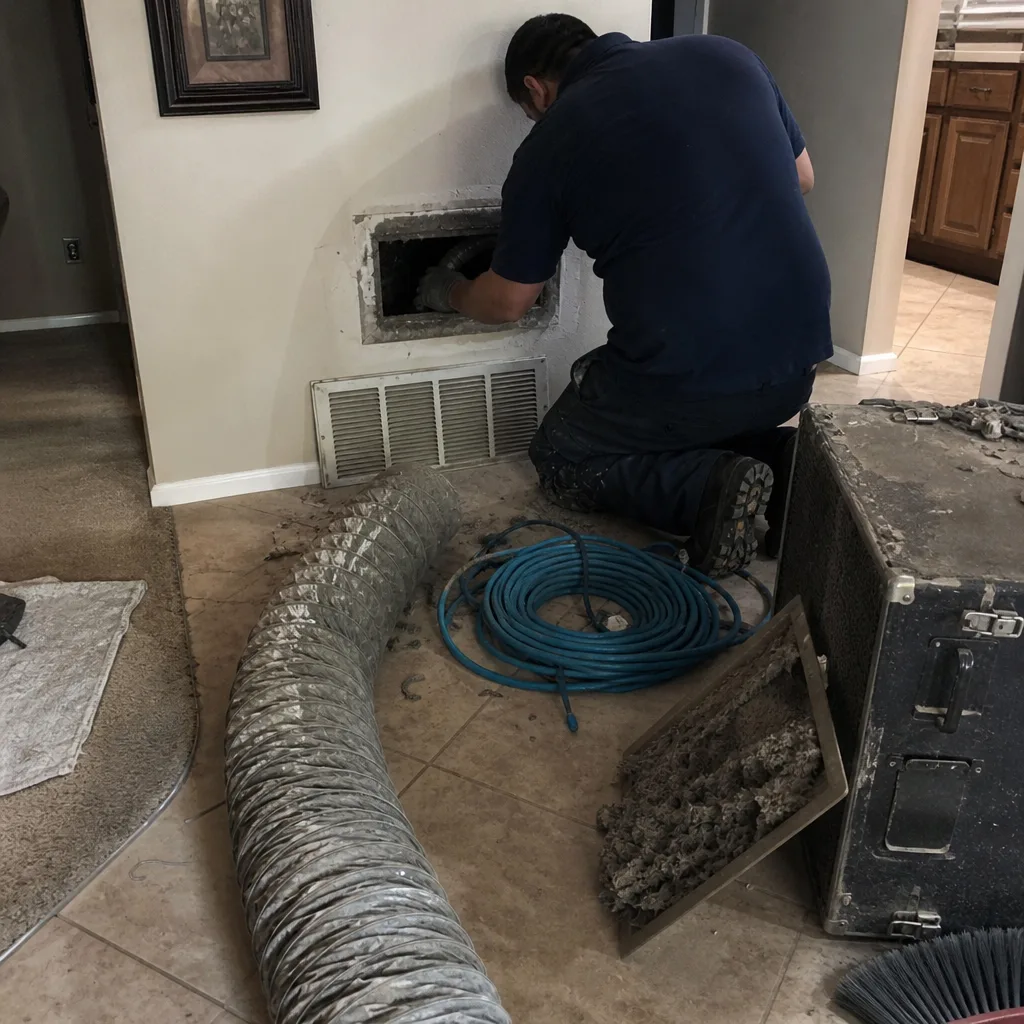 Before
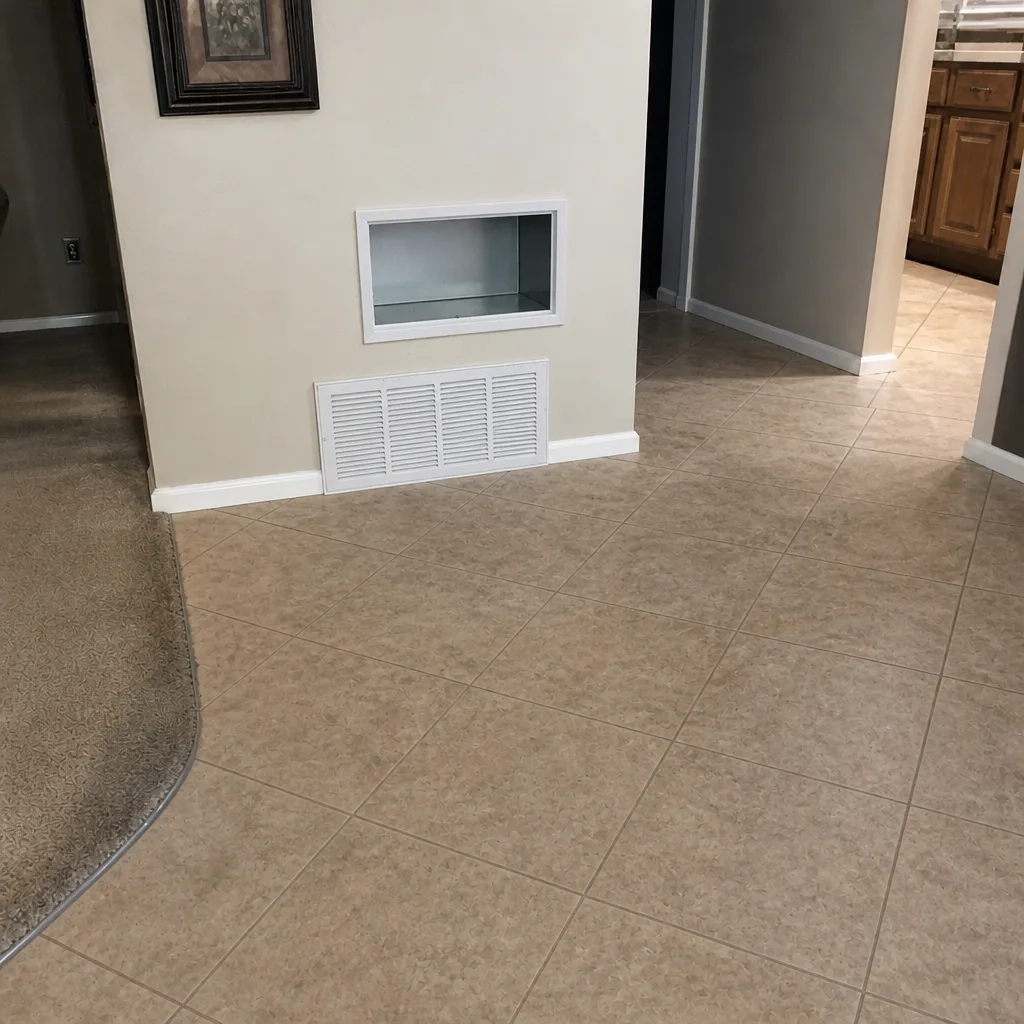 After