
Last updated November 14, 2026
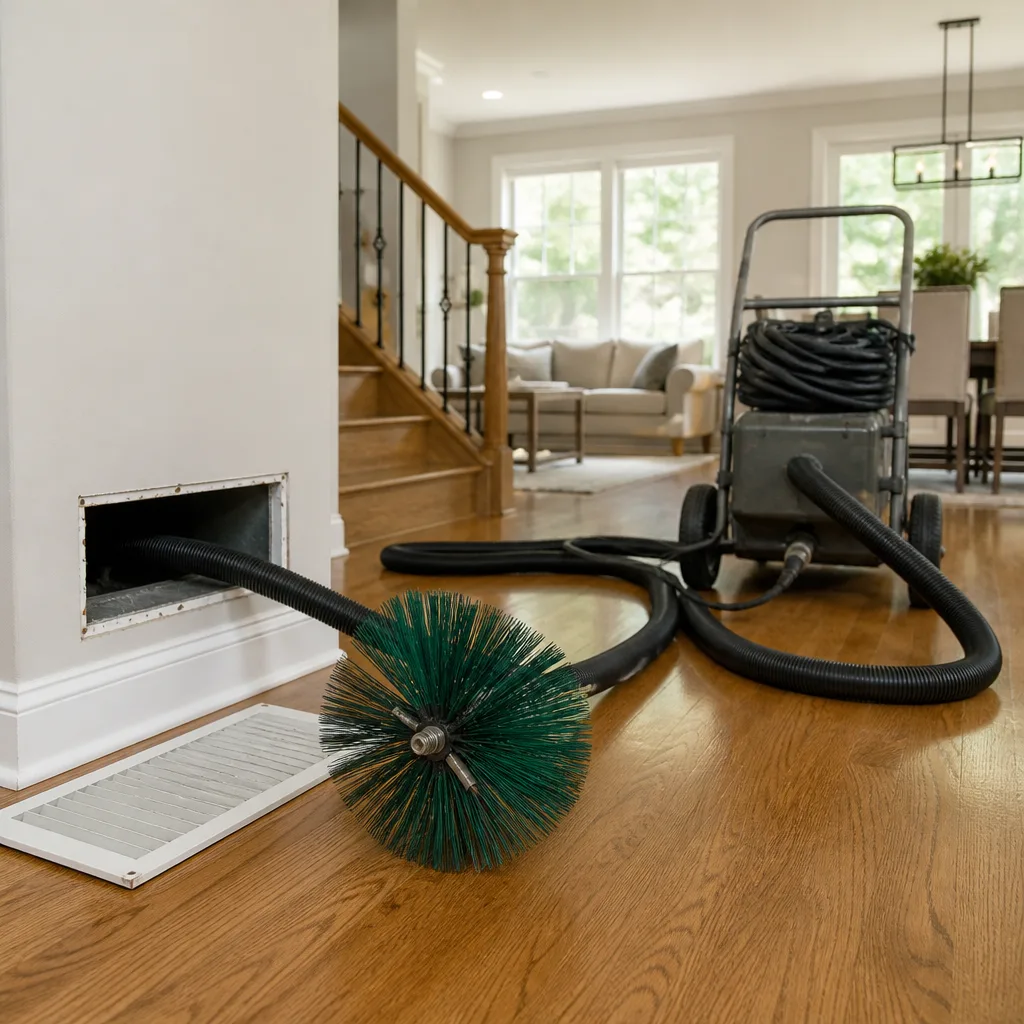 Whole-home duct cleaning
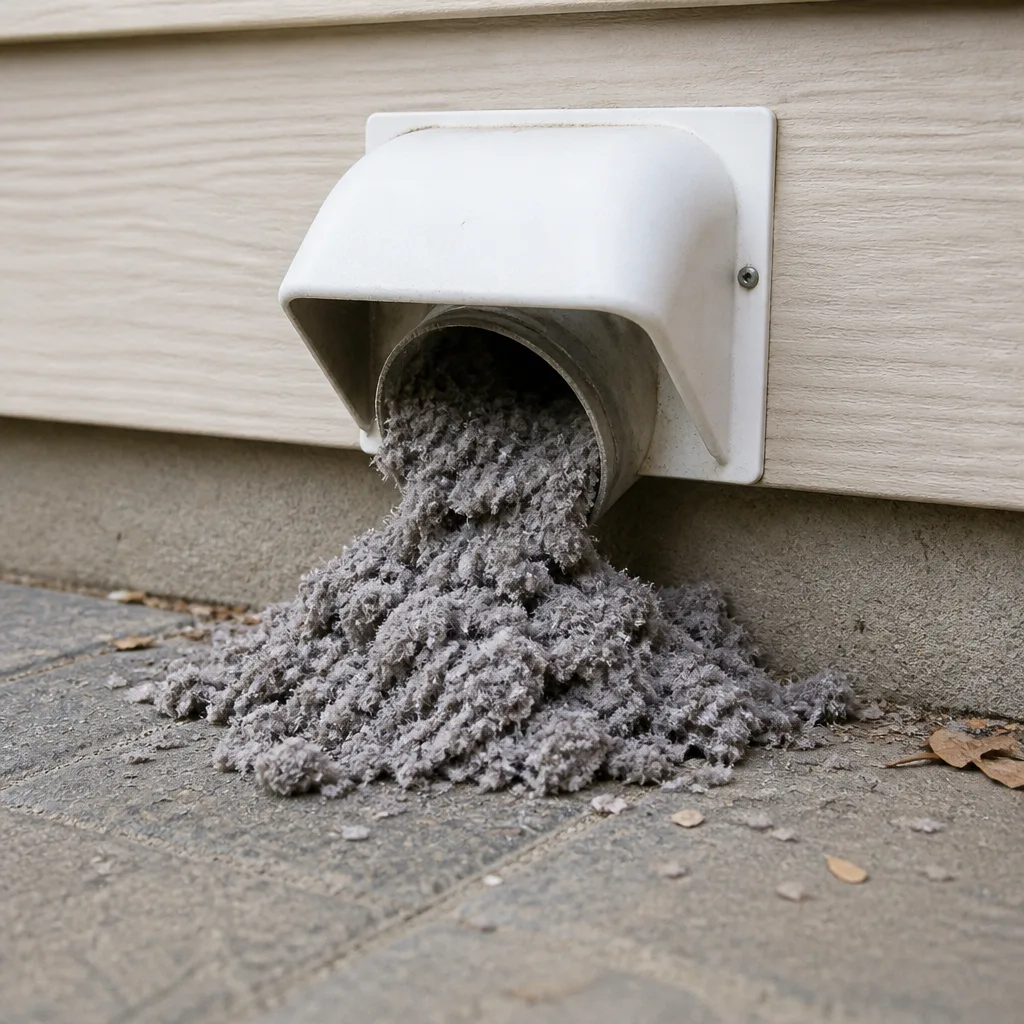 Dryer vent cleaning
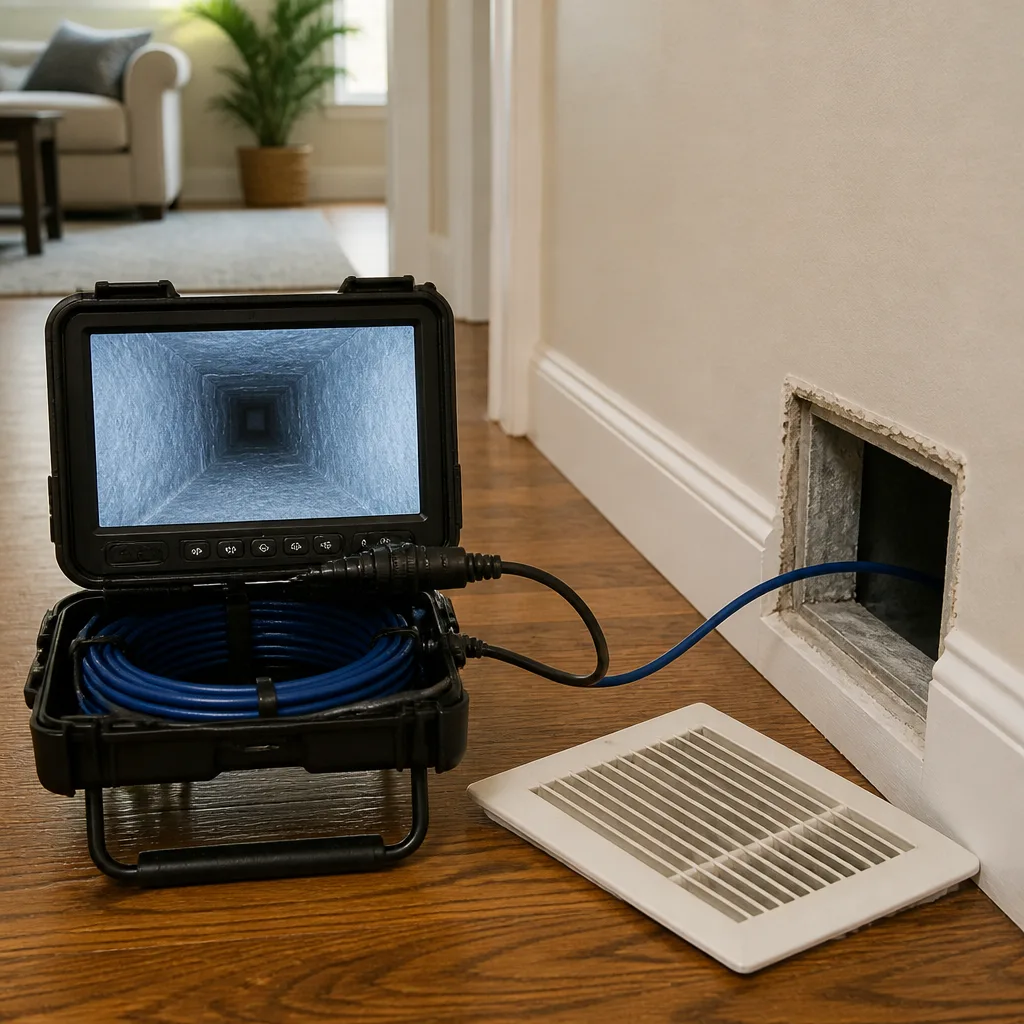 Camera inspection
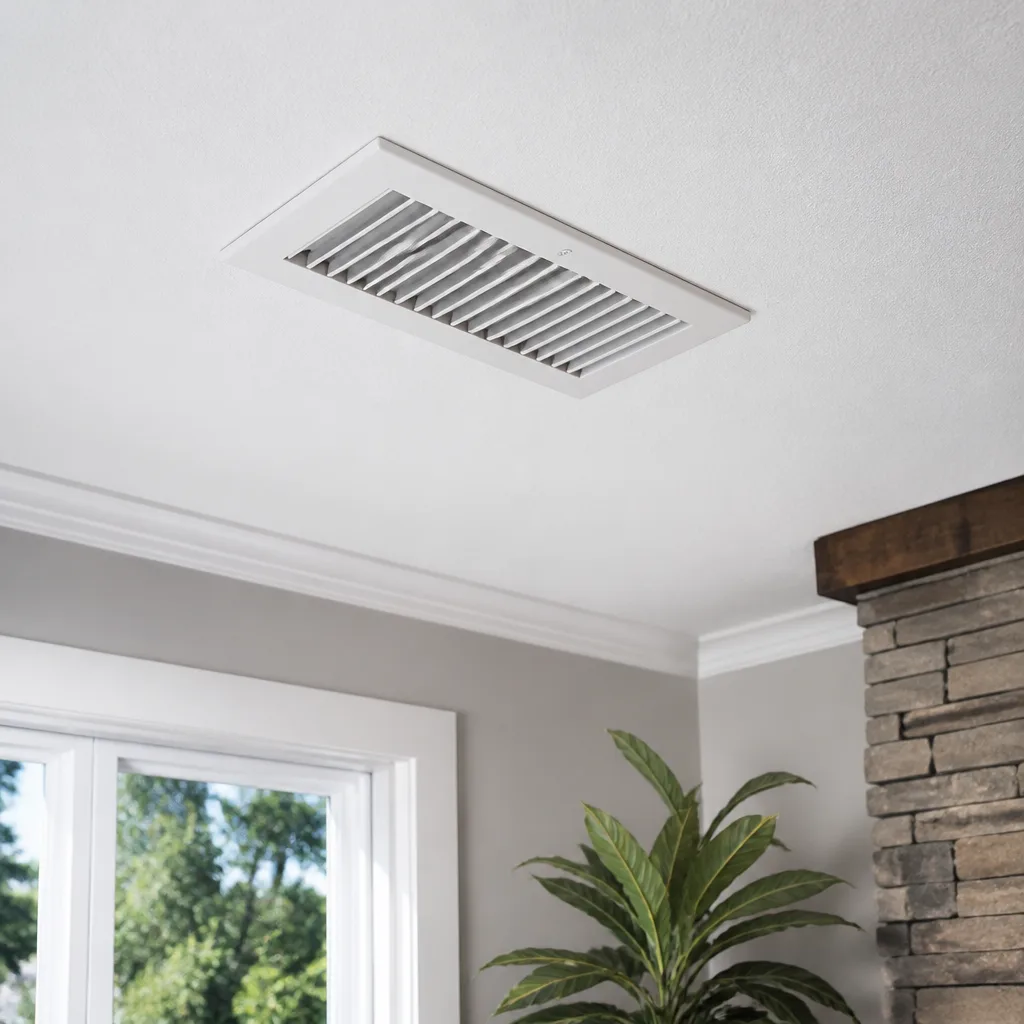 Sanitizing & deodorizing
Whole-system duct and dryer vent check with before-and-after photos - you see exactly what came out of your vents
That "$99 whole-house special" is a bait ad - the real number appears once they are in your hallway, or the "clean" is a shop-vac at the register. We photograph the inside of your ducts before and after instead.
Air Duct Cleaning Warning Signs: A North Las Vegas Homeowner’s Reference Guide
A “dusty house” could mean thirty different things. But a house where one bedroom runs 8 degrees warmer than the thermostat set point, with visible debris on the supply register face, points to something specific, and diagnosable. Most North Las Vegas homeowners are told to watch for vague clues like “musty smells” or “excess dust.” That’s not how a technician reads a system. We read output, pressure, temperature differentials, and what the debris itself is made of. This guide teaches you to do the same, so you know whether you need air duct cleaning, a repair, or something else entirely.
Quick Answer
The most reliable air duct cleaning warning signs in North Las Vegas are system-behavior signals, not smells. Look for uneven room temperatures (especially rooms over a hot attic), a register face collecting fine debris within days of dusting, rising summer cooling bills without a change in usage, and a blower that runs constantly but never satisfies the thermostat. Visible dust alone is not a duct problem. Visible dust on the *supply* register, combined with temperature loss, usually is.
Styles & brands we work with
- Whole-home duct cleaning
- Dryer vent cleaning
- Camera inspection
- Sanitizing & deodorizing
Table of Contents
- Temperature Differential Mapping: The $15 Diagnostic
- What Register Debris Texture Tells You
- Why Your Summer Bills Are Climbing: Duct Leakage Math
- Sounds as Diagnostic Tools: Whine, Tick, and Rattle
- Cleaning vs. Repair: The Misdiagnosis That Costs You Twice
- How the North Las Vegas Climate Produces Specific Warning Signs
- Airflow Odor Patterns: When Smell Actually Matters
- Common Mistakes to Avoid
Temperature Differential Mapping: The $15 Diagnostic
Before you call anyone about your ducts, buy a basic infrared thermometer. The kind that costs about fifteen dollars at any hardware store. Then, on a hot afternoon when your AC has been running for at least twenty minutes, walk the house and record the temperature at every supply register. Write it down. Do not do this from memory.
What you are looking for is a spread. If your thermostat is set to 76 and most rooms deliver air at 62 to 65 degrees, but one bedroom delivers 70 degrees, that room has a problem. The duct serving it is either disconnected, collapsed, kinked, or blocked. None of those are fixed by cleaning. A dirty duct reduces airflow marginally. A disconnected duct eliminates it. The temperature spread tells you which one you’re dealing with.
Here is the step-by-step process we use when a North Las Vegas homeowner reports uneven cooling:
- Set the thermostat to a consistent temperature and let the system run for at least 20 minutes.
- Measure the air temperature at each supply register with an infrared thermometer, holding it about 2 inches from the grille.
- Record each reading on a simple room-by-room list.
- Identify the warmest room. A difference of more than 5 degrees from the coolest room usually indicates a duct problem, not a thermostat issue.
- Check whether that warm room sits over the garage, faces west, or shares a wall with the attic.
- If the register is delivering warm air *and* showing debris (see next section), you likely have a disconnected or torn duct pulling attic air into the system.
In North Las Vegas, where summer attic temperatures regularly exceed 130 degrees, a disconnected duct in the attic does two things at once. It dumps conditioned air into the attic, and it pulls superheated attic air into the house through the return side. Rooms fed by that run go from comfortable to uninhabitable fast. This is not a cleaning issue. This is a repair issue. Lancaster Duct Cleaning offers air duct cleaning and air duct repair, which matters because the diagnosis determines the fix. We’ve walked into homes where the homeowner paid for a cleaning elsewhere, and the real problem was a flex duct that had pulled off a boot entirely.
What Register Debris Texture Tells You
Not all debris is equal. The texture and color of what you see on a supply register face tells you what’s inside the duct, and more importantly, where it came from. In North Las Vegas, the three most common debris signatures are specific to the local environment and construction practices.
Fine white or off-white powder (caliche or drywall dust). This is the most common debris type we see in North Las Vegas homes. Caliche is the calcium carbonate-rich soil native to the Las Vegas Valley. It’s alkaline, fine, and it finds its way into everything. During construction or renovation, drywall dust adds to it. Either way, this powder is abrasive and coats the inside of ductwork. It does not indicate a biological problem. It indicates that the ducts have not been cleaned since construction, or that the system was run during a remodel without proper containment. A North Las Vegas home built during the valley’s boom years, then renovated, will often have both caliche and drywall dust layered in the ducts.
Fibrous gray or pink strands. This is insulation. Fiberglass duct liner degrades over time, especially when it has been wet or exposed to high heat cycles. In attics that hit 140 degrees in July, the adhesive on duct liner breaks down. Those fibers then travel through the supply air and collect on the register face. If you see gray fibrous material on your registers, the duct lining is breaking down. You may also have a breach in the duct itself that is allowing loose-fill attic insulation to enter the system. This is not a cleaning-only situation. The source of the fibers needs to be sealed, and damaged sections may need repair.
Black or dark gray particulate. This is the one that worries people, and it should. Black particulate on a supply register can come from several sources: a gas appliance backdrafting into the return, candle soot being pulled into the system, or – in the worst case – biological growth inside the ducts. In a desert climate, biological growth is less common than in humid regions, but it is not impossible, especially in homes with evaporative coolers that have been left connected to the duct system. We cannot and do not diagnose mold or biological contamination. We can tell you that black particulate needs a professional look, and that the source needs to be found before anyone cleans the ducts. Cleaning ducts that are delivering combustion byproducts or biological material without addressing the source just pushes the problem through the house.
Why Your Summer Bills Are Climbing: Duct Leakage Math
A North Las Vegas summer is a five-month test of your duct system’s integrity. From May through September, your AC runs more hours than not. Every leak in the ductwork is a leak in your budget. The calculation is straightforward once you understand what’s happening.
A typical duct system in a Las Vegas Valley home loses between 20 and 30 percent of conditioned air to duct leakage. That’s the industry-accepted range for systems that have never been sealed or tested. The leakage goes into the attic, which in a North Las Vegas summer is a furnace. So you are paying to cool air that never reaches your living space, and the air that does reach you has to fight against the heat the attic is pushing back through the ceiling.
Here is how to estimate your loss:
- Find your average summer electricity bill. Say it’s $300 per month during peak cooling months.
- Estimate that 50 to 60 percent of that bill is air conditioning in a Las Vegas Valley home.
- Of that cooling cost, assume 20 to 30 percent is lost to duct leakage.
- That means roughly $30 to $54 per month, every summer month, is conditioning attic space, not living space.
Over a five-month cooling season, that is between $150 and $270 a year in pure waste. Over five years, the cost of a full duct sealing and repair, plus the efficiency gain, often pays for itself. And that math is conservative. Homes with disconnected ducts, which we find more often than most homeowners expect, lose far more.
The sign that your ducts are leaking is not always a dramatic jump in one month’s bill. It is a steady upward trend across three or more summers, adjusted for rate increases. If your usage has been flat but your bill climbs every July, and your thermostat setting hasn’t changed, suspect the ducts. A system that has to run longer to satisfy the same temperature set point is a system losing air somewhere.
Sounds as Diagnostic Tools: Whine, Tick, and Rattle
Your duct system talks to you. Most people hear the noise and tune it out. We listen to it the way a mechanic listens to an engine. Three sounds in particular tell you something specific.
A high-pitched whine that changes with the blower speed. This is almost always static pressure. It means the system is fighting a restriction. The restriction could be a collapsed flex duct, a closed damper that shouldn’t be closed, a filter that’s been installed backwards and pinched, or a coil that’s clogged with dust and debris. In North Las Vegas, where dust load is high year-round, a coil can clog faster than the manufacturer’s recommended filter change interval suggests. The whine is the sound of the blower motor working harder than it was designed to. Left alone, that whine becomes a blower motor replacement. The fix is to find the restriction and remove it, which often means cleaning the coil and the ductwork attached to it.
A metallic tick, like a coin tapping a table, in rhythm with the blower. This is sheet metal expansion and contraction, or a loose duct joint. In an attic that swings from 50 degrees on a winter night to 140 degrees on a July afternoon, the metal flexes constantly. Over years, that flexing loosens joints and separates seams. The tick is the sound of two pieces of metal tapping each other. It is not dangerous by itself, but it tells you the duct system is moving, and moving ducts develop leaks. The fix is to reinforce or repair the loose section. Duct tape – the gray fabric stuff – is not a durable fix in a hot attic. It dries out and fails within a few seasons.
A rhythmic thump or boom when the blower starts or stops. This is the ductwork itself, usually flex duct, ballooning or collapsing under pressure change. It means the duct is not properly supported, or it is too long for the static pressure of the system. A duct that balloons and collapses every cycle is a duct that will eventually tear. The tear opens a hole, the hole leaks air, and you’re back to the utility bill math above.
Cleaning vs. Repair: The Misdiagnosis That Costs You Twice
The single most expensive mistake a North Las Vegas homeowner makes is treating a repair problem as a cleaning problem. It happens constantly. A company comes out, cleans the ducts, hands over a bill, and the warm bedroom is still warm. The homeowner is out the money and the problem is still there.
Cleaning is the removal of accumulated debris from the interior surfaces of the ductwork. It restores airflow to what the system was originally designed to deliver. It does not fix a hole. It does not reconnect a disconnected branch. It does not seal a leaky joint. Those are repairs.
Here is how to tell the difference before you spend a dollar:
- A room that’s always been warmer since you moved in: likely a design or installation problem. Cleaning won’t fix a duct that was pinched during installation.
- A room that gradually got warmer over a few years: could be debris accumulation reducing airflow. Cleaning may help, but so could a damper that’s been slowly closing itself.
- A room that suddenly got warm, like within a week: a duct came apart. That’s a repair. Cleaning it won’t reconnect it.
- Debris on every register, evenly distributed: system-wide contamination. Cleaning is appropriate.
- Debris on one register, and only one room is warm: a breach or disconnection near that room. You need repair, possibly followed by cleaning to remove what got pulled in.
This is why we use equipment like the Rotobrush brush system paired with Nikro HEPA extraction vacuums for cleaning, and Lancaster Duct Cleaning also offers air duct repair. The two services are different, and a company that only offers one will always diagnose the problem as the one they sell. We can do both, which means the diagnosis is based on what’s actually wrong. In our experience, a significant percentage of calls we get for cleaning turn out to be repair calls once we inspect the system. The homeowner saves money by finding that out before paying for a cleaning they didn’t need.
How the North Las Vegas Climate Produces Specific Warning Signs
North Las Vegas is not like other desert cities. It is a valley floor with specific soil chemistry, extreme attic temperatures, and a construction boom that produced tens of thousands of homes in a short window. Those three factors combine to produce warning signs you will not see in a guide written for a generic national audience.
Caliche dust is the big one. The soil here is rich in calcium carbonate. When construction excavates, when wind blows, when you walk across a bare lot, the dust that rises is fine, alkaline, and abrasive. It coats evaporative cooler pads, clogs filters, and settles inside ductwork. Homes built during active development phases in North Las Vegas often had their HVAC systems running before the landscaping was in, which means caliche dust was pulled through the system from day one. If you own a home built in a subdivision where homes were going up around you for the first several years, the ducts likely contain construction-phase caliche dust that has never been removed.
The attic heat problem is structural. In July, a North Las Vegas attic can sustain 140 degrees Fahrenheit or higher for hours. That heat bakes flex duct. The plastic outer jacket gets brittle. The inner liner separates. Adhesives fail. The result is ducts that leak at every joint after ten or fifteen years. A duct system that was fine when the home was new is now leaking 25 percent of its air into the attic. This is why we recommend that any home over ten years old in North Las Vegas, especially one that has never had the ducts inspected, get a pressure check and a visual inspection of the attic runs.
The third factor is the evaporative cooler legacy. Many older North Las Vegas homes used evaporative cooling, also called swamp cooling, before converting to refrigerated air. Evaporative coolers push moist air through the ductwork. When the system is later converted to conventional AC, that legacy moisture history can leave residue, minerals, and in some cases biological material inside the ducts. If your home has an old evaporative cooler still connected to the duct system, or had one in the past, the ductwork carries a history that a simple filter change does not address.
Airflow Odor Patterns: When Smell Actually Matters
Odor is the warning sign everyone talks about and almost everyone misinterprets. A “musty smell” is the most frequently cited reason for duct cleaning, and in a desert climate, it is often not coming from the ducts at all. Here is how to read odor in a North Las Vegas home.
A smell that is present when the system is off, and gets stronger when the system is on, is likely inside the ductwork or the air handler. Debris that has accumulated in the ducts will off-gas when air moves across it. A dusty, greasy smell that activates with the blower is a classic sign that the ducts have a significant debris load. Cleaning is the appropriate first step.
A smell that is present constantly, and does not change with the system, is likely not in the ducts. It is in the carpet, the drywall, the furniture, or the crawlspace. Cleaning the ducts will not remove a smell that is coming from the living space itself.
A burning or acrid smell that appears only when the heat runs is not a duct cleaning issue at all. It is a furnace or heat strip issue. Turn the system off and call an HVAC technician. We do not repair furnaces or heat strips, and we will tell you that directly if that’s what we find.
A smell of damp earth, present only in one room, can indicate a condensate leak or a roof penetration that is allowing moisture into a wall cavity, which then gets pulled into the return. This is a building envelope problem first and a duct problem second. Find the moisture source before cleaning anything.
In our experience, the odor patterns that actually point to ductwork are the ones that follow the airflow. When the blower kicks on and the smell follows within seconds, that smell is riding the air coming out of the registers. That’s a duct issue. If the smell is there before the blower runs, look elsewhere.
Common Mistakes to Avoid
- Assuming dust in the house equals dirty ducts. Dust on furniture is mostly dead skin, fabric fibers, and tracked-in soil. It is not primarily from the ducts. Dirty ducts show themselves on the supply register face, not the coffee table.
- Scheduling a cleaning when you actually need a repair. A disconnected flex duct in a North Las Vegas attic needs to be reconnected and sealed. A cleaning will not do that, and you’ll pay twice.
- Ignoring a room that runs warm because “it’s always been like that.” A duct that was pinched or undersized at installation has been leaking efficiency for years. It will not improve on its own.
- Using a discount coupon as the basis for choosing a duct cleaning company. A $49 whole-house duct cleaning is a bait price. The real invoice comes after the van arrives. Professional cleaning with named equipment like the Rotobrush system and Nikro HEPA extraction costs more because it removes debris instead of redistributing it.
- Replacing the filter and assuming the problem is solved. A filter protects the equipment, not the ducts. A clogged filter is a symptom of a dirty or leaking system, not the root cause.
- Cleaning the ducts without addressing a known evaporative cooler or moisture history. If the moisture source is still active, the ducts will re-contaminate quickly.
When to Call a Professional
Call a professional when the temperature mapping shows a spread of more than 5 degrees between rooms, when you see fibrous or black debris on a supply register, when your summer bills are climbing without a change in usage, or when a smell follows the airflow every time the blower starts. These are not situations that resolve themselves, and they are not solved by replacing a filter. A professional inspection will tell you whether you need cleaning, repair, or both. Lancaster Duct Cleaning offers free estimates in North Las Vegas. Call (866) 942-9753. We answer 24/7. Fast dispatch from 7am to 7pm, Sunday through Friday.
See the difference
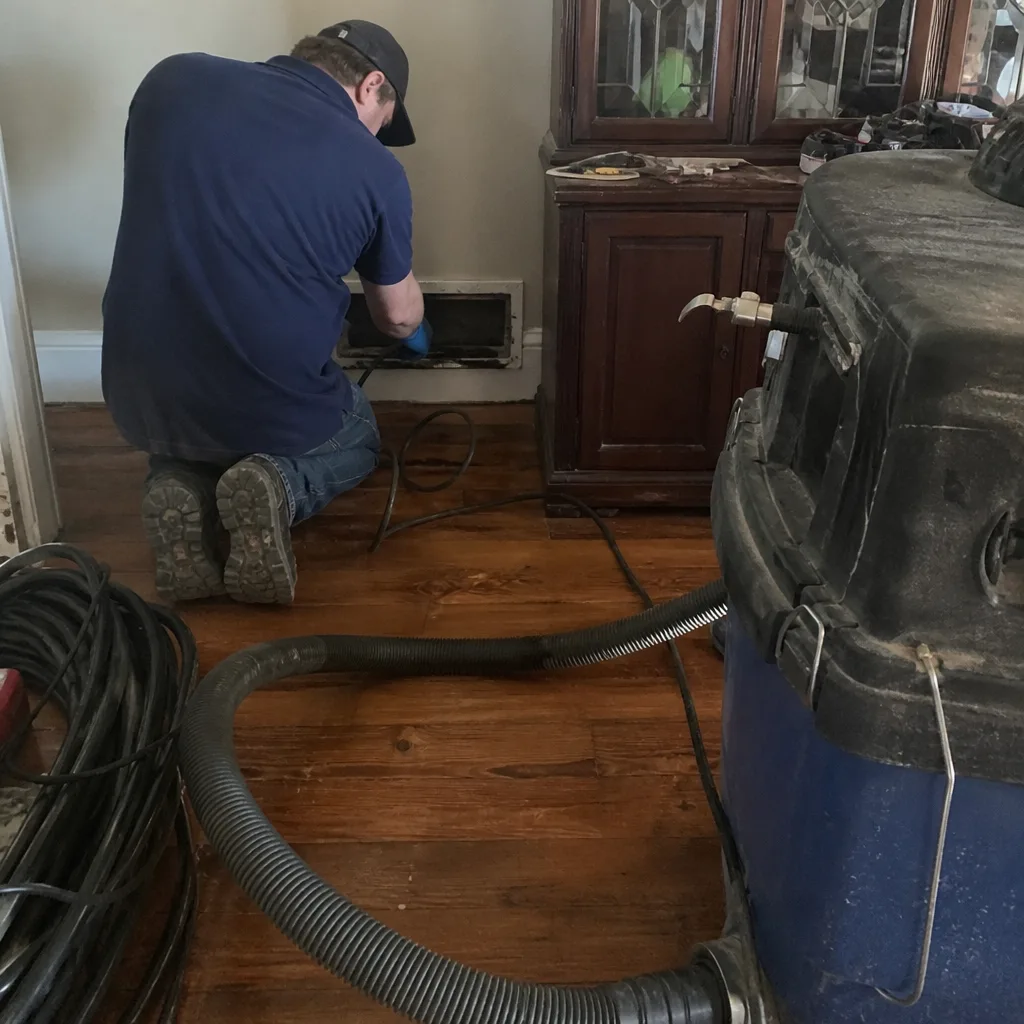 Before
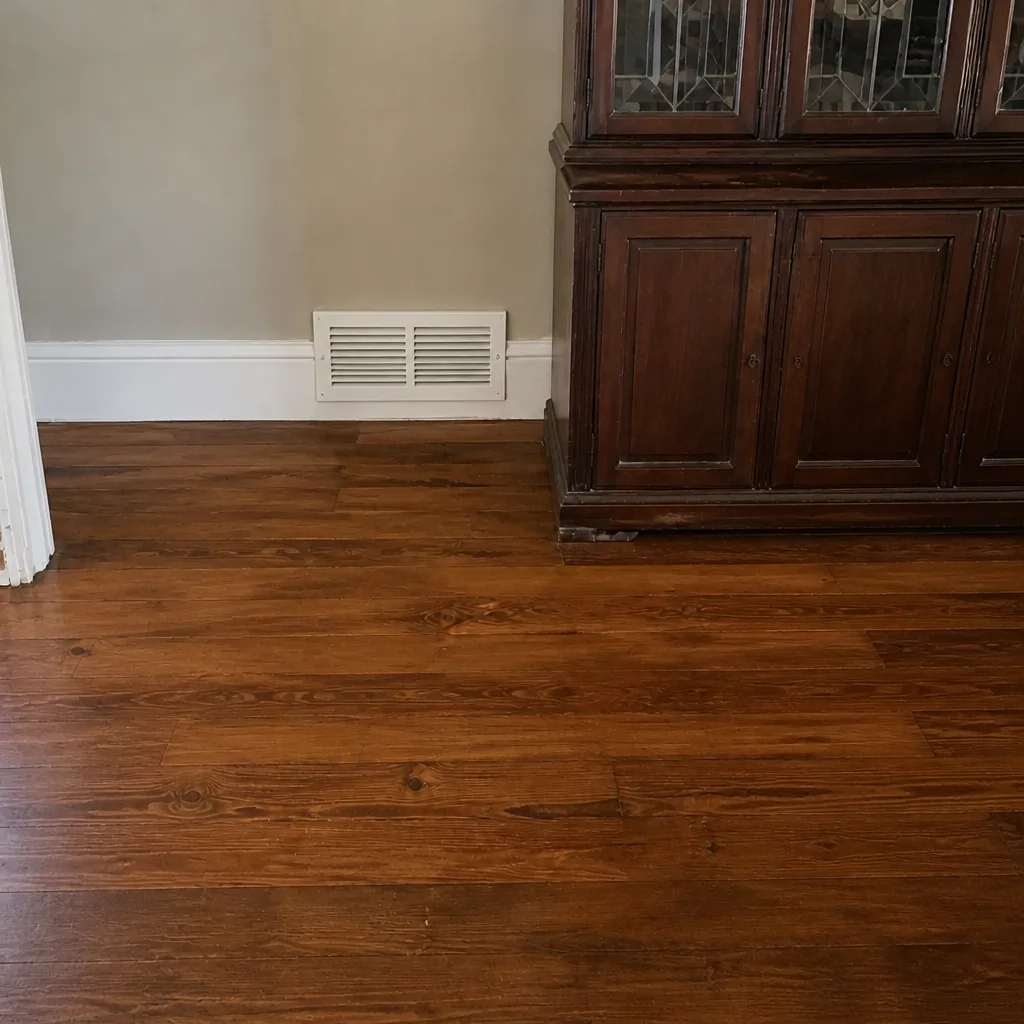 After
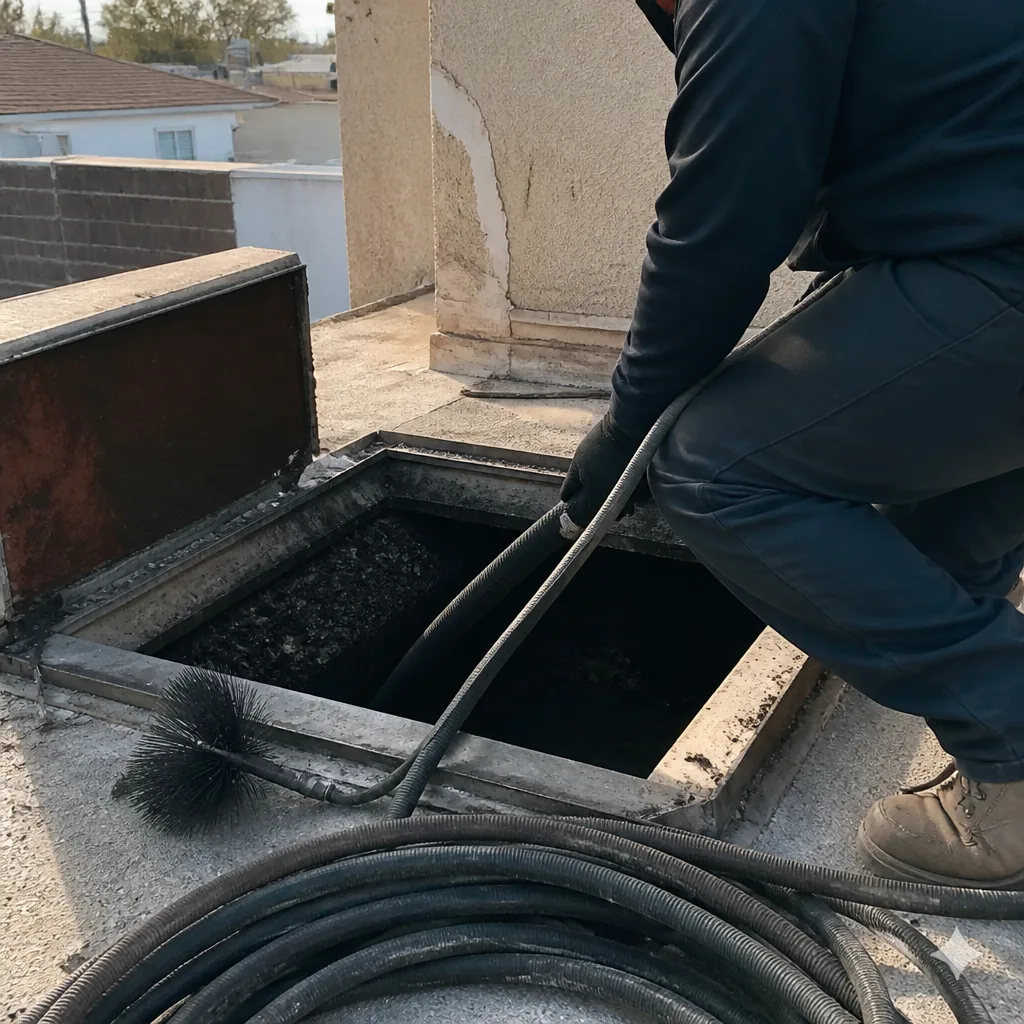 Before
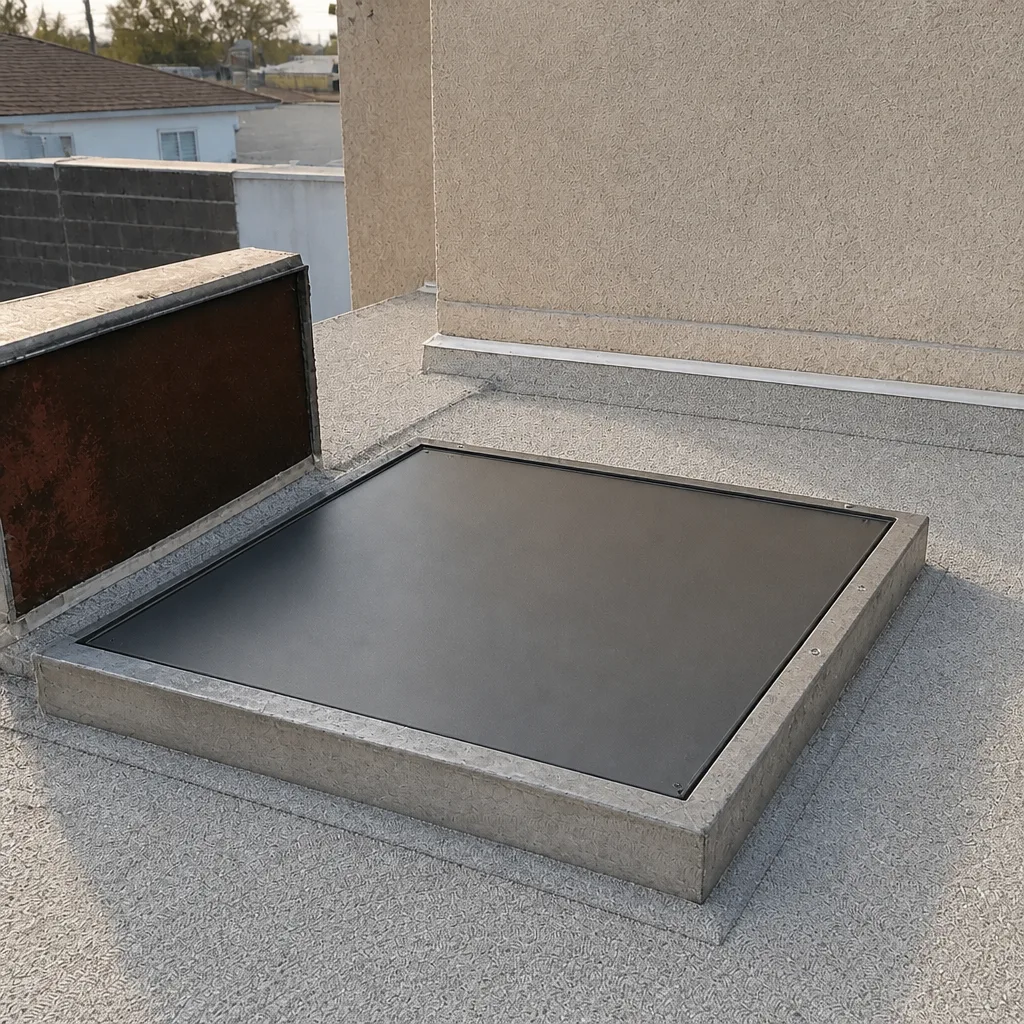 After
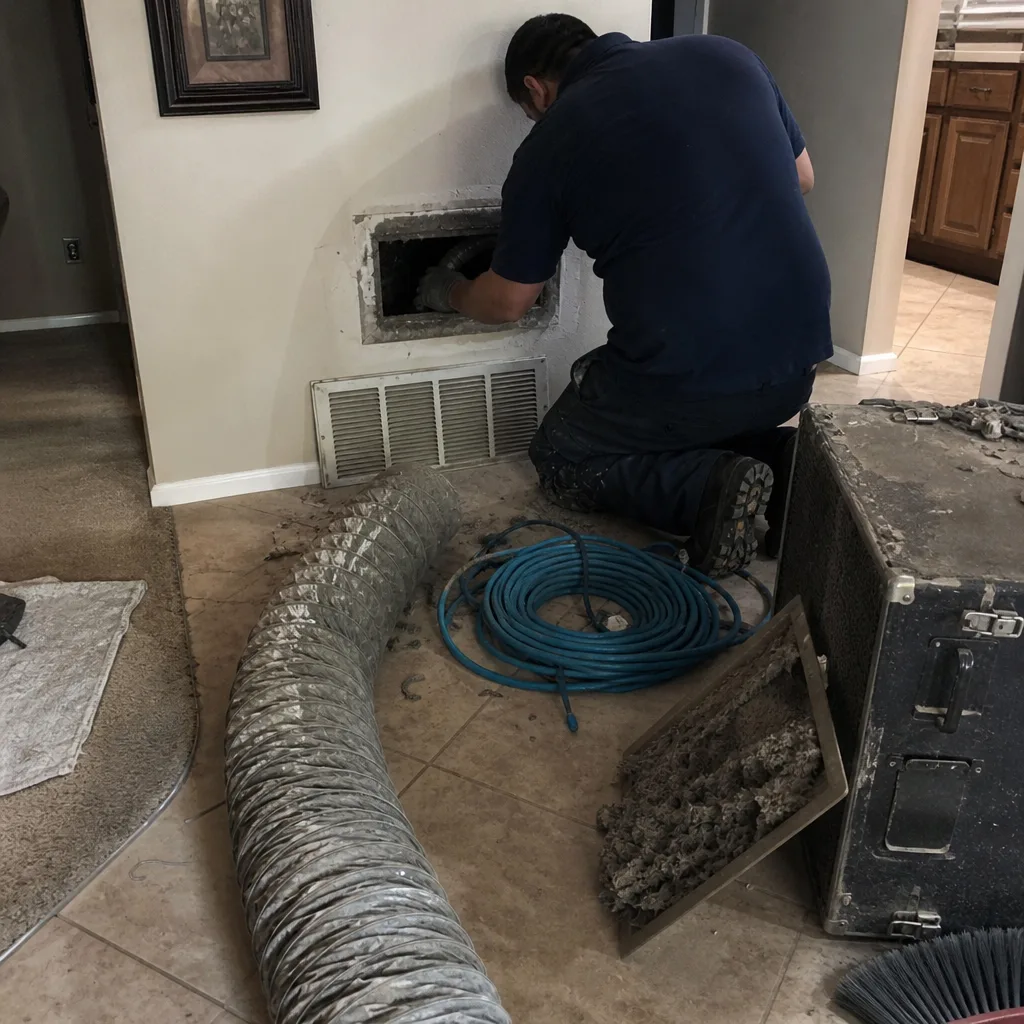 Before
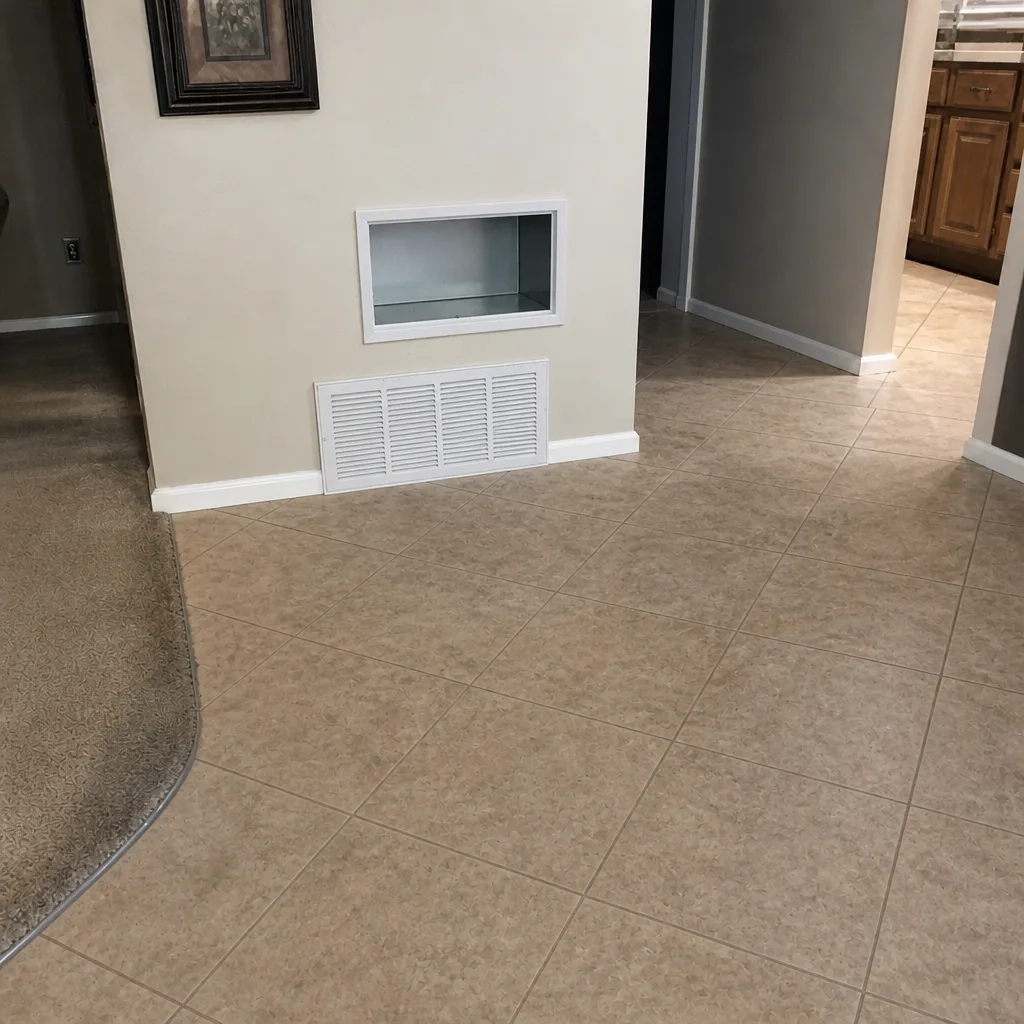 After
Frequently Asked Questions
How do I know if my air ducts actually need cleaning?
Use three tests together: visible debris accumulating on supply register faces within days of dusting, a room-to-room temperature spread of more than 5 degrees during cooling, and airflow that has weakened noticeably over time. These three together usually indicate a debris load that is restricting airflow. One test alone, especially dust in the house, is not enough to call for cleaning.
Why is one room in my North Las Vegas house always warmer than the rest?
A single warm room usually means the duct serving that room is disconnected, collapsed, kinked, or undersized. The warm air in the attic is being pulled into that duct run, or the conditioned air is being dumped into the attic before it reaches the room. Start with an infrared thermometer to confirm the spread, then have the duct run inspected. This is often a repair, not a cleaning.
How much does air duct cleaning cost in North Las Vegas?
A professional whole-system cleaning in the Las Vegas Valley typically ranges based on the size of the home, the number of systems, and the level of debris. The price is set per job by the written estimate, which is free. Be skeptical of any price that seems dramatically lower than others. A low advertised price usually rises once the technician is on site. For an exact quote on your system, call (866) 942-9753.
Will cleaning my ducts lower my cooling bill?
It can, if the debris load is restricting airflow and forcing the blower to work harder. However, if the higher bill is caused by duct leakage into the attic, cleaning alone will not fix it. The leaks need to be sealed. That is why a diagnosis should come before a cleaning. We clean and repair, so the diagnosis is not influenced by what we can sell.
What is the difference between air duct cleaning and air duct repair?
Cleaning removes accumulated debris from the interior of the ducts to restore designed airflow. Repair fixes physical damage: disconnected sections, torn flex duct, collapsed runs, leaky joints. A duct that is clean but disconnected still does not deliver air to the room. A duct that is connected but loaded with debris delivers air slowly. The two problems require different fixes, and a misdiagnosis wastes money.
How often should air ducts be cleaned in North Las Vegas?
In most North Las Vegas homes, every three to five years is a reasonable interval, more often if the home has had construction, a major remodel, or a history of evaporative cooling. Homes with pets, smokers, or high foot traffic may need more frequent cleaning. The best indicator is not a calendar but the register test: if you wipe a supply register clean and it shows visible debris within two weeks, the ducts are actively distributing debris.
Why do I see white powder on my vents?
That is most likely caliche dust, which is native to the Las Vegas Valley soil, combined with drywall dust if the home has been renovated. It is not usually a biological problem, but it is abrasive and coats the interior of the ductwork. It also tells you the system was run during construction or a dusty period without proper containment, and has likely never been cleaned since.
Can duct cleaning help with my allergies?
It can reduce the amount of particulate matter circulating through the system, especially if the ducts contain construction dust, pet dander, or insulation fibers. However, duct cleaning is not a medical treatment and we make no health claims. If allergies are the trigger, a cleaning paired with a good filtration strategy, like a Honeywell or Aprilaire media filter, is a reasonable starting point.
The Bottom Line
The warning signs that matter are the ones your system gives you through its behavior, not the vague ones you read on a generic list. A room that runs warm, a register that collects debris within days, a summer bill that climbs every year, a whine or tick that follows the blower. In North Las Vegas, the desert dust, the brutal attic heat, and the construction history of the valley all load your ducts with problems a generic guide does not account for. Read the signals. Find out whether you need cleaning, repair, or both. Then call a specialist who can do both. Call (866) 942-9753 for a free estimate.
Written by the team at Lancaster Duct Cleaning, serving North Las Vegas since 2013.