
Last updated November 14, 2026
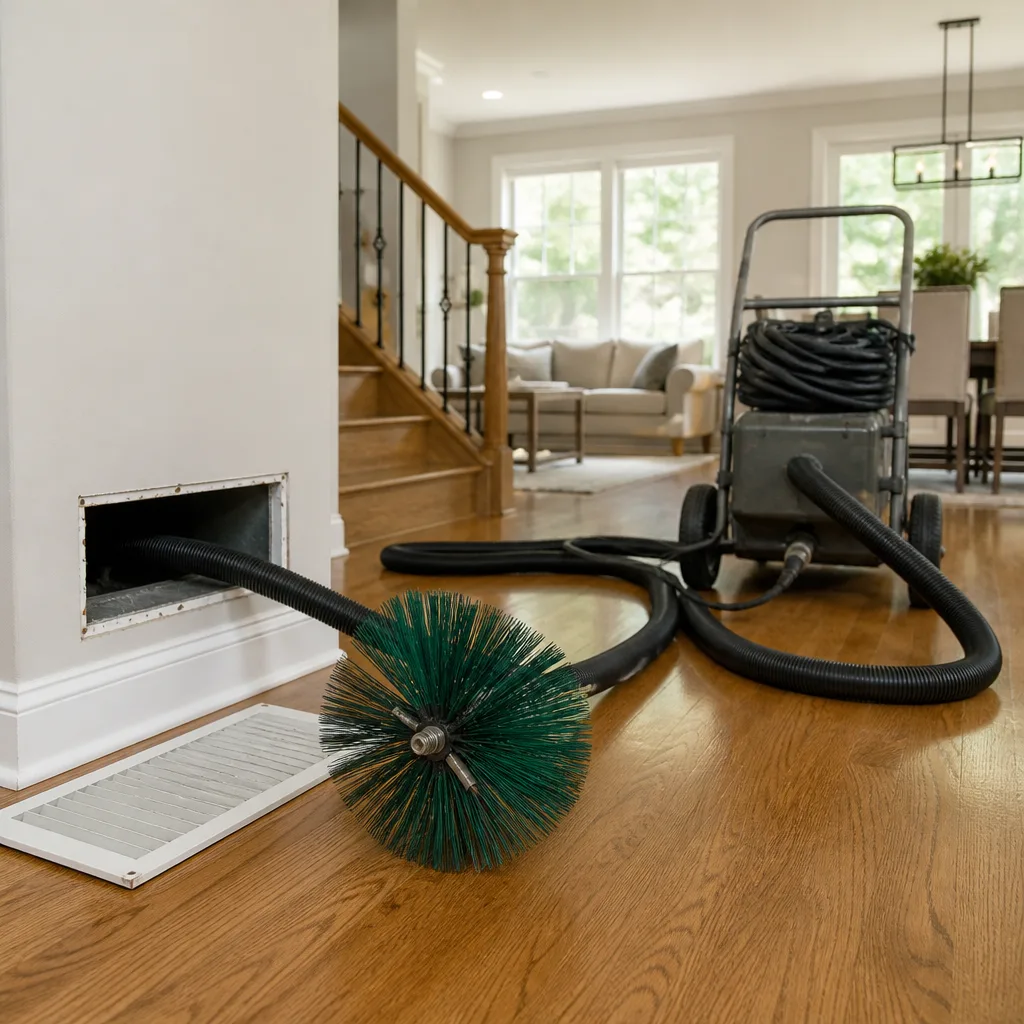 Whole-home duct cleaning
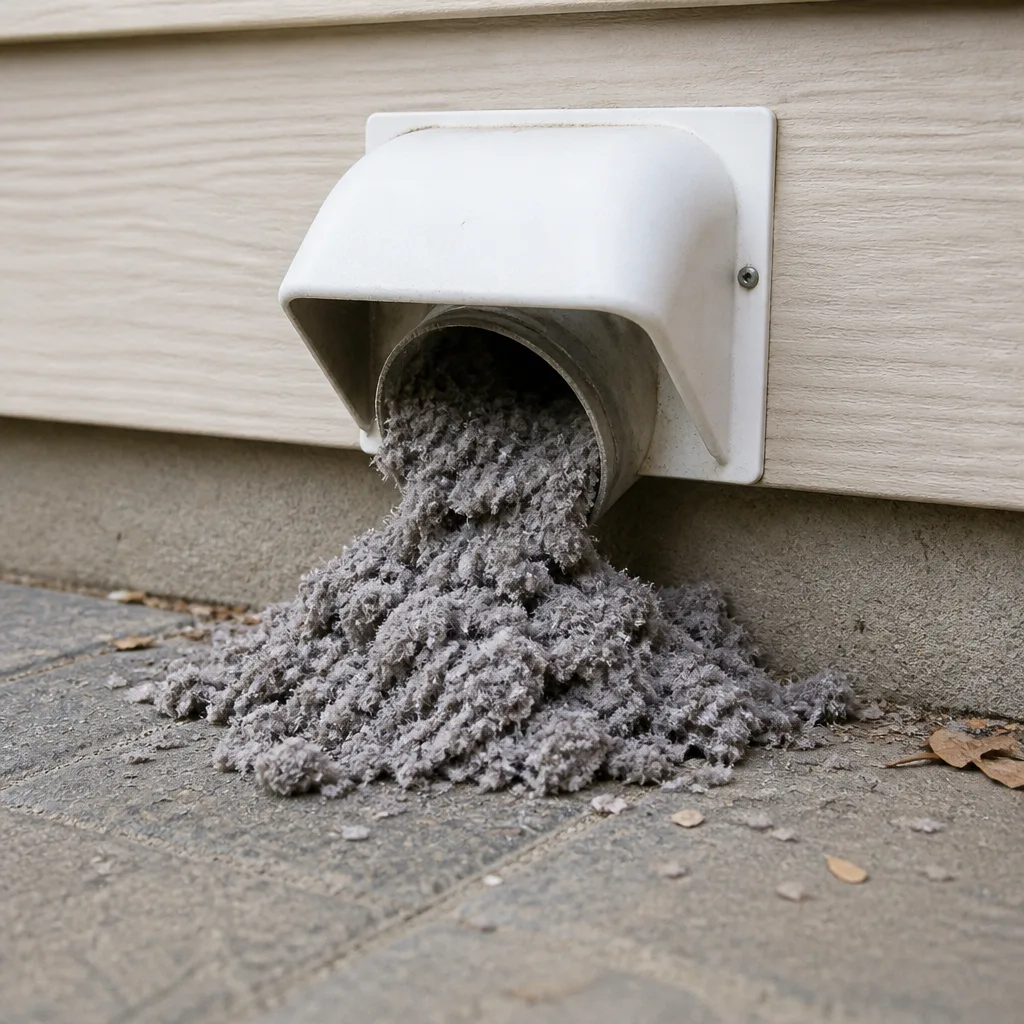 Dryer vent cleaning
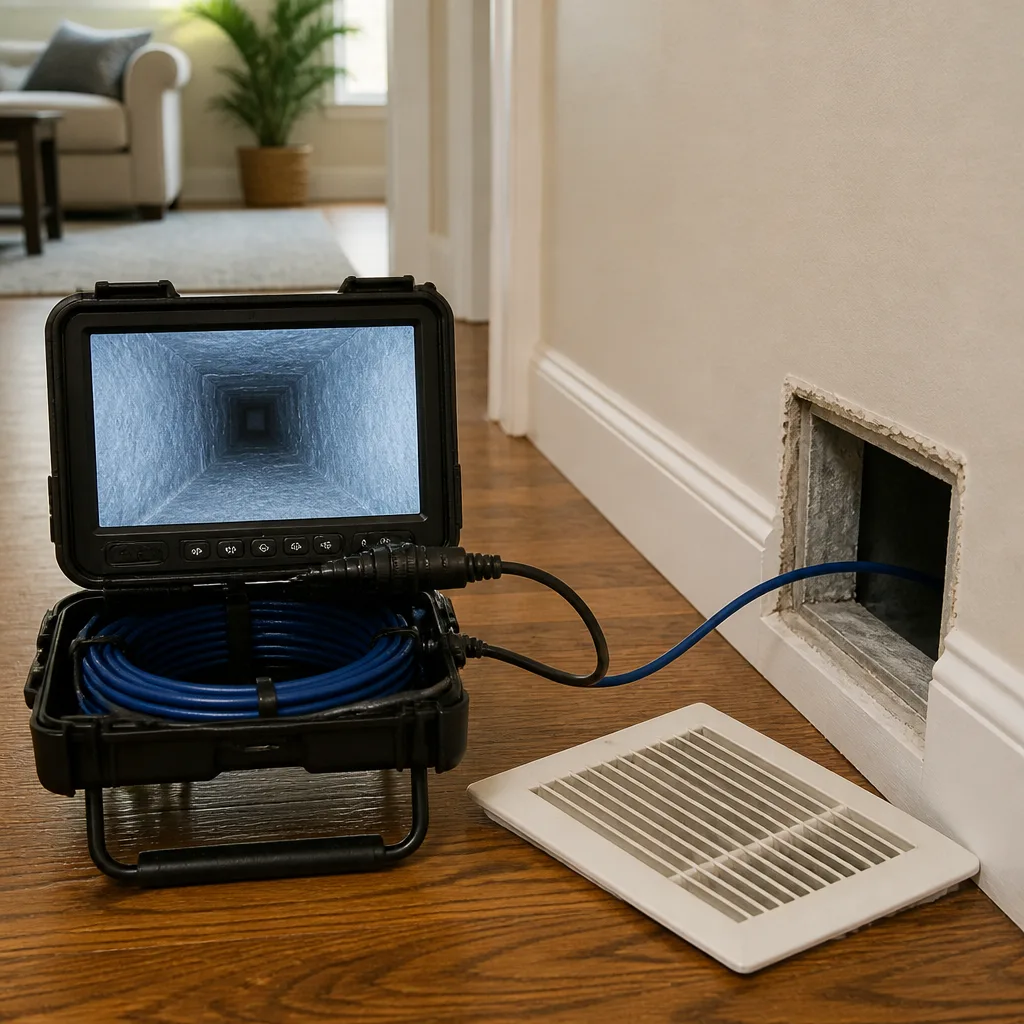 Camera inspection
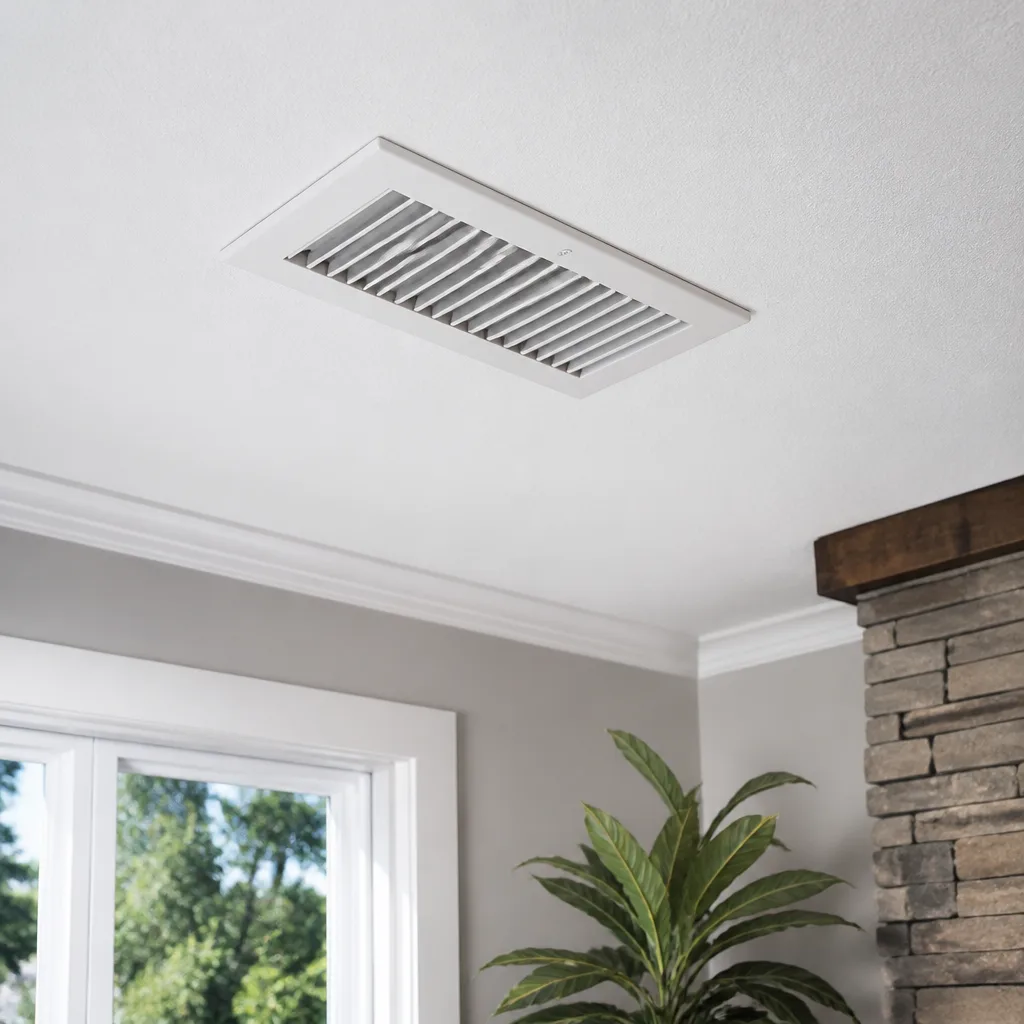 Sanitizing & deodorizing
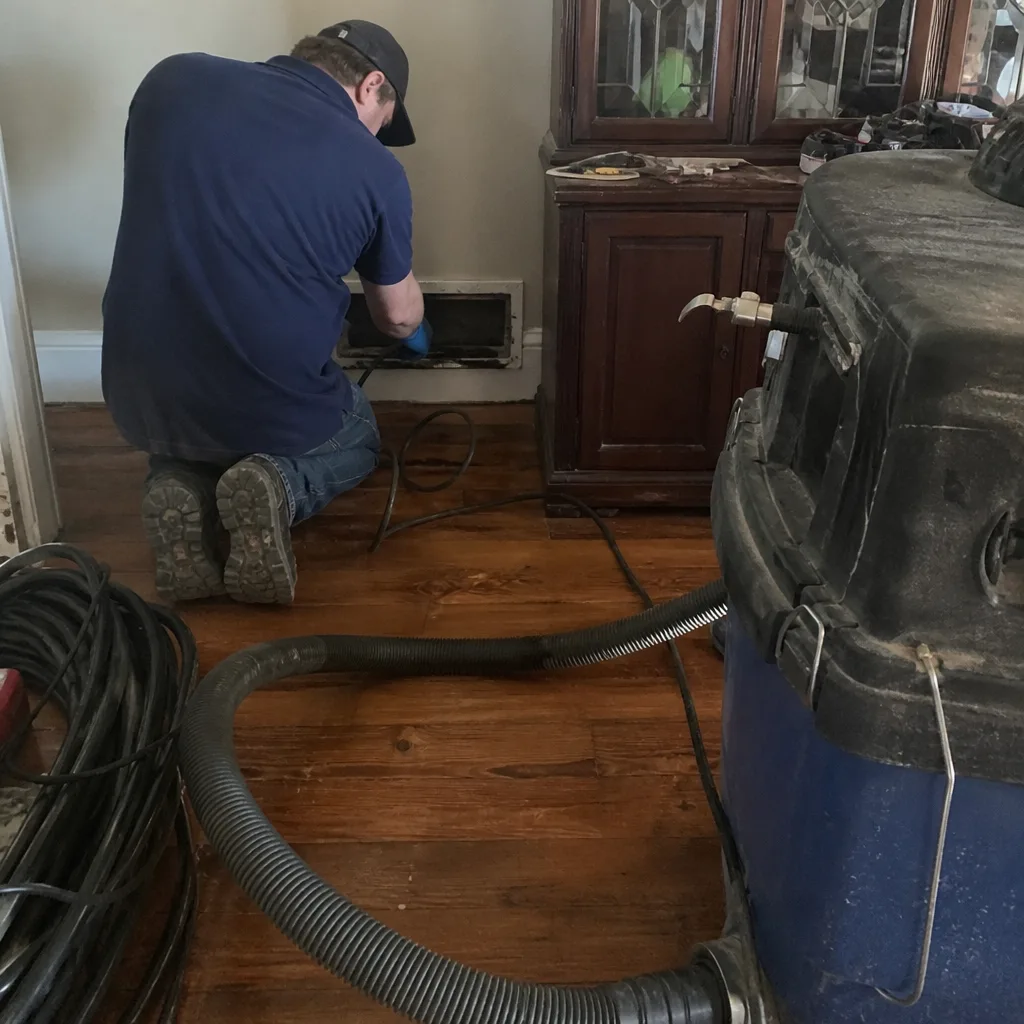
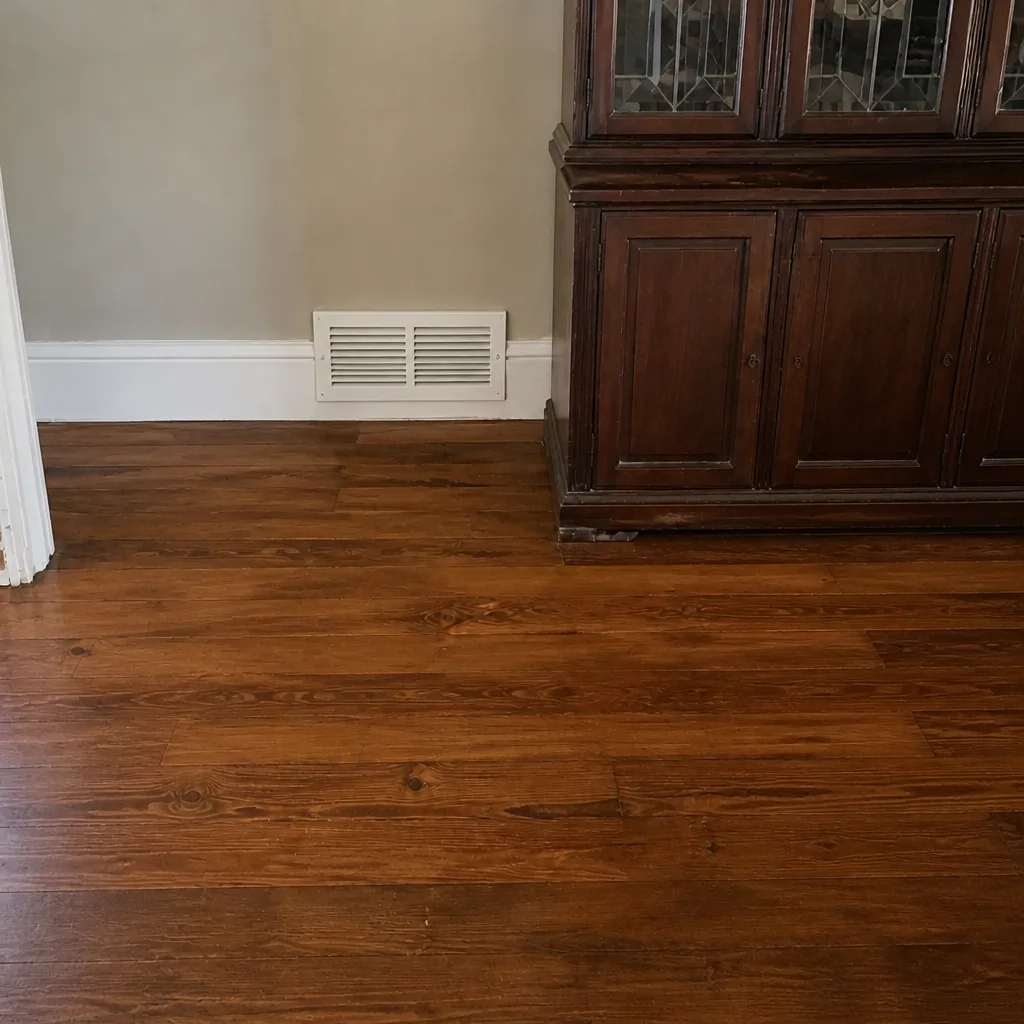
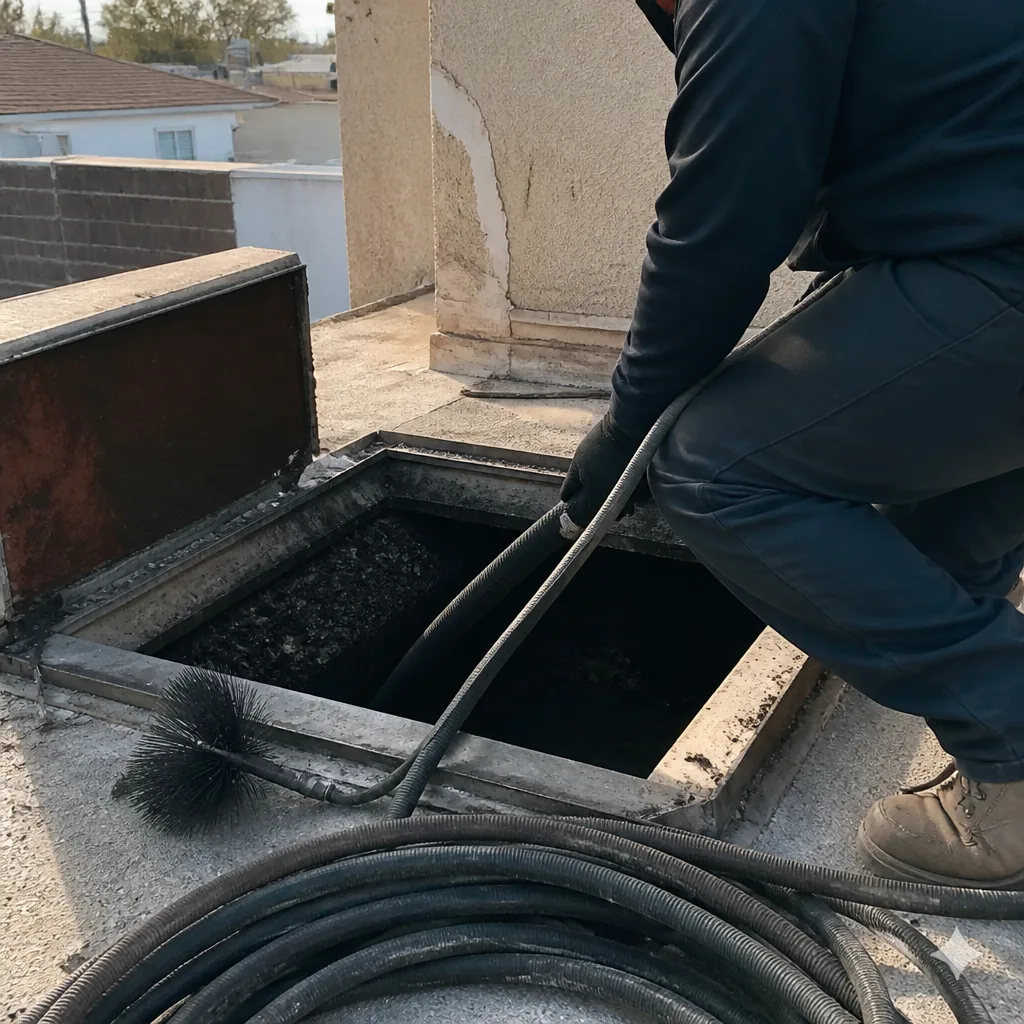
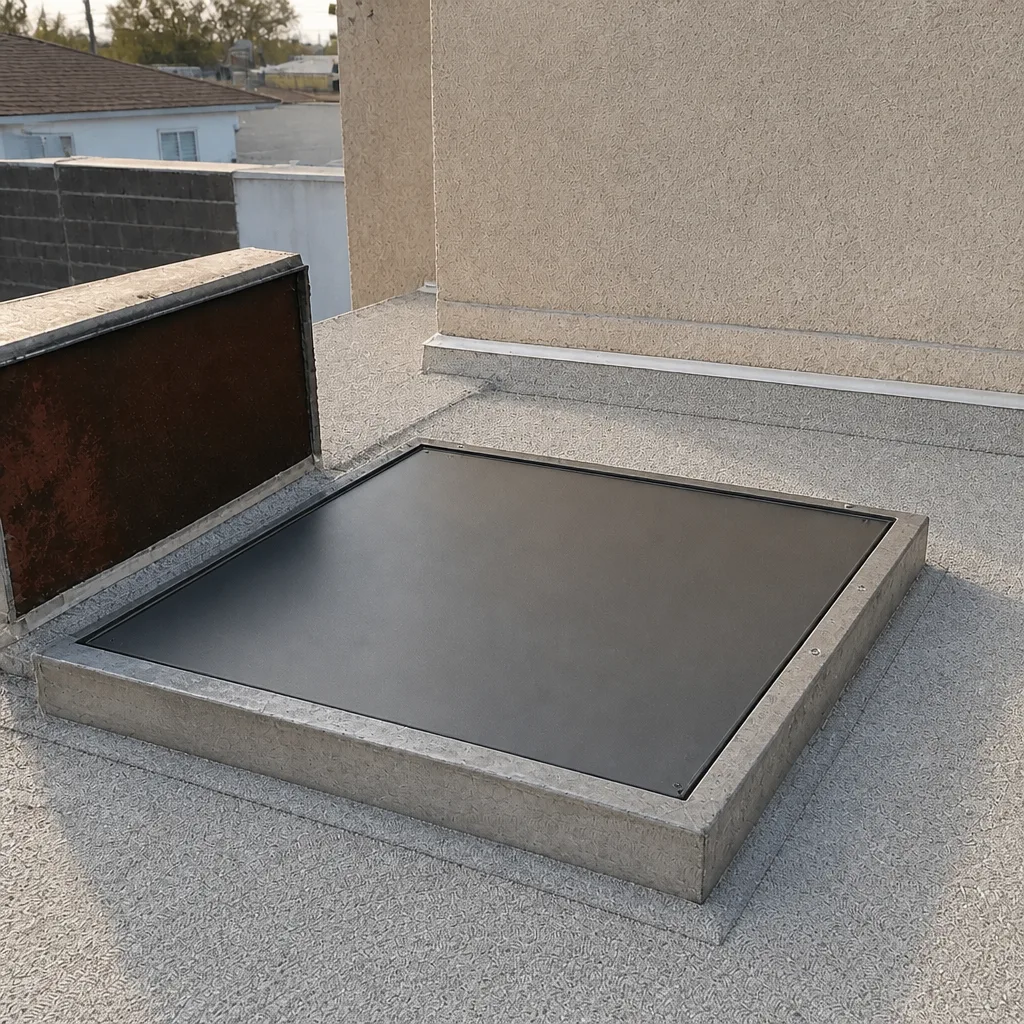
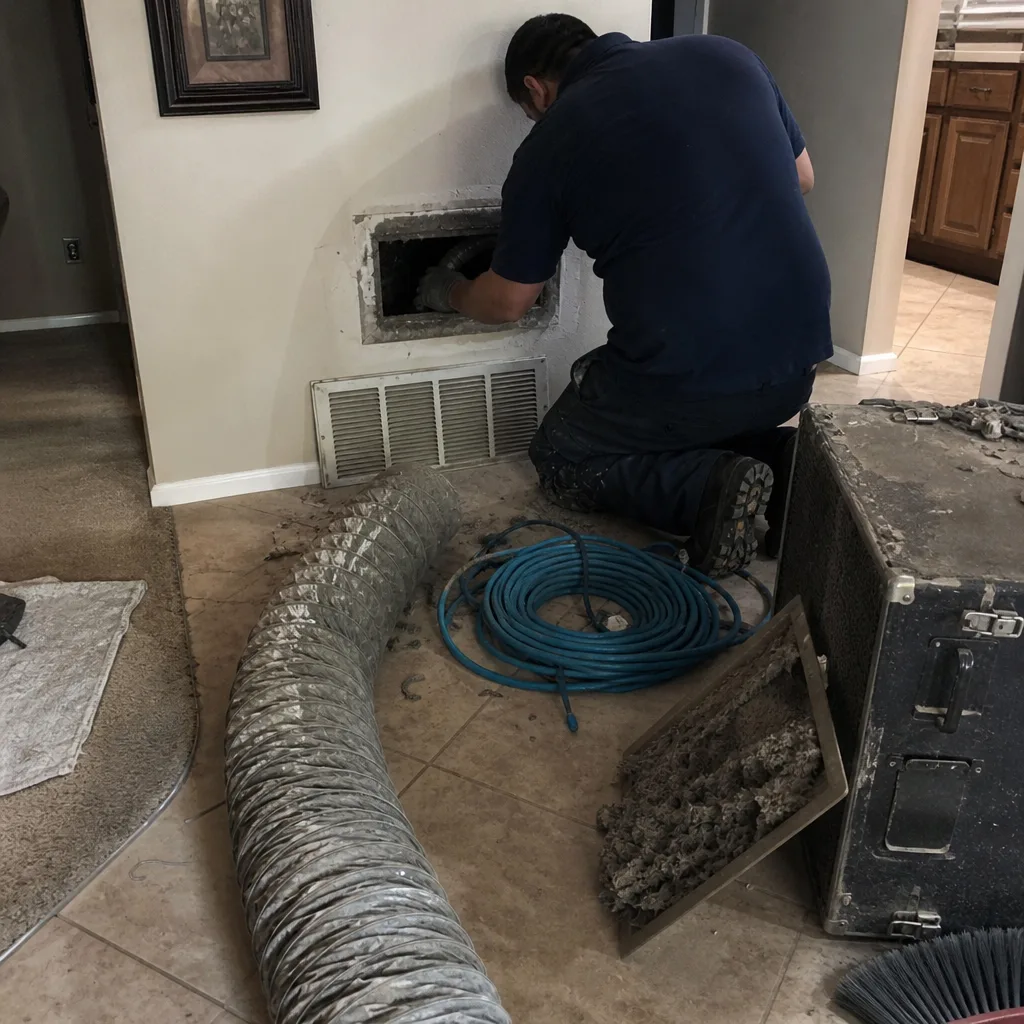
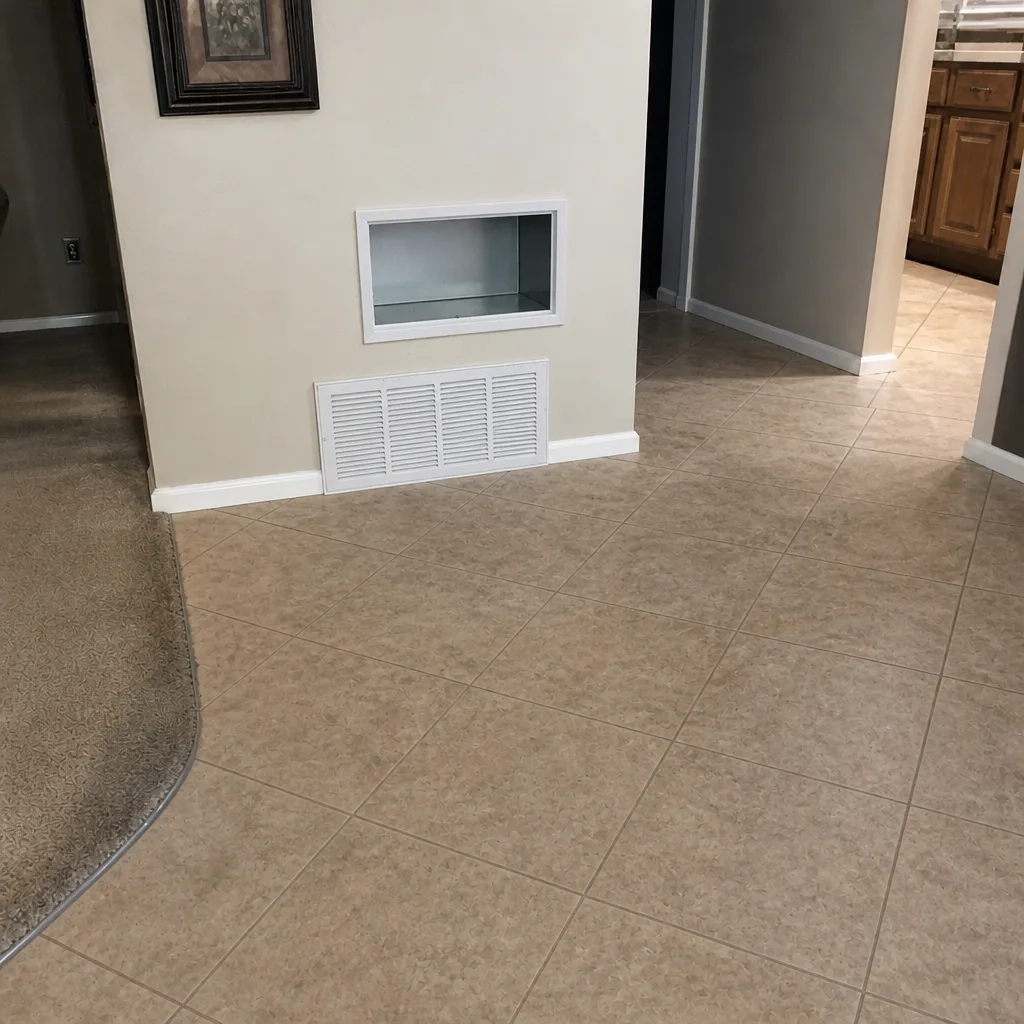
Whole-system duct and dryer vent check with before-and-after photos - you see exactly what came out of your vents
That "$99 whole-house special" is a bait ad - the real number appears once they are in your hallway, or the "clean" is a shop-vac at the register. We photograph the inside of your ducts before and after instead.
DIY vs Professional Air Duct Cleaning: The North Las Vegas Homeowner’s Decision Guide
Most homeowners overestimate what a shop vac can do and underestimate what duct cleaning actually requires. The core of the issue isn’t effort. It’s physics. A consumer vacuum moves air, but it does not create the sustained, sealed negative pressure needed to pull debris out of a main trunk line instead of just stirring it up. This guide draws the line between what you can reasonably handle yourself in a North Las Vegas home and what genuinely demands professional equipment and training.
Styles & brands we work with
- Whole-home duct cleaning
- Dryer vent cleaning
- Camera inspection
- Sanitizing & deodorizing
Quick Answer
Homeowners can legitimately clean register faces, return grilles, and accessible dryer vent runs with consumer tools. They cannot perform source-removal cleaning of main duct trunks and branch lines, because that requires 500+ CFM of continuous negative pressure from equipment like Nikro HEPA vacuums paired with a Rotobrush agitation system. For the ductwork itself, the honest DIY answer in North Las Vegas is: maintain the accessible surfaces yourself, and call a professional for the interior of the system.
Table of Contents
- What Homeowners Can Actually Do With Consumer Tools
- The Physics of Source Removal: Why Your Shop Vac Falls Short
- North Las Vegas Attics: The 150°F Problem
- DIY Cost Breakdown: What You’ll Actually Spend
- The Hybrid Approach: DIY Between Professional Cleanings
- When Ducts Need Repair, Not Just Cleaning
- Common Mistakes to Avoid
- When to Call a Professional
- Frequently Asked Questions
- The Bottom Line
What Homeowners Can Actually Do With Consumer Tools
Let’s be direct about what a homeowner with a good shop vac, a brush, and some patience can accomplish. The tasks below are legitimate maintenance. They reduce visible dust, improve airflow at the point of entry, and extend the interval between professional cleanings. But they are surface work, not system cleaning.
Register Face Cleaning
Supply and return register faces collect a film of dust and hair on the visible louvers. Removing them, washing them with warm water and mild soap, and drying them thoroughly before reinstalling is a straightforward task. You’ll also want to vacuum the first few inches of the duct opening you can reach while the register is off. What you won’t reach is the ten, twenty, or forty feet of duct beyond that opening.
Return Grille Vacuuming
The return air grille is the large intake where air gets pulled back into the system. It traps a disproportionate amount of lint, dust, and pet hair. Vacuuming the grille face and wiping it down every month or two during cooling season makes a visible difference in North Las Vegas homes, where evaporative cooler residue and desert dust combine into a fine grit that clings to intake surfaces. This is a five-minute job that genuinely helps.
Dryer Vent Clearing
A homeowner can clean the first several feet of dryer vent from the appliance side with a consumer vent brush kit. If your laundry room backs directly to an exterior wall, this may be the entire run. In that case, a DIY clearing is realistic and worth doing annually. If the vent runs through a wall, under a slab, or up through a roof before exiting, you’re only reaching a fraction of the line. A professional dryer vent cleaning uses rotating brushes and high-CFM extraction to clear the full run.
The realistic expectation for all of this: you are maintaining the surfaces you can see and reach. You are not cleaning the duct system. We say that not to dismiss the effort, but to keep you from spending money on tools that promise more than they can deliver.
The Physics of Source Removal: Why Your Shop Vac Falls Short
Source removal is the industry term for actually extracting debris from duct surfaces, not just loosening it. It requires two things happening at once: agitation to break debris free from the duct walls, and continuous negative pressure to pull that debris out of the system and into a sealed capture container.
A typical consumer shop vac generates somewhere around 100 to 150 CFM of airflow at the hose end. Professional duct cleaning equipment, like the Nikro HEPA vacuums used in source-removal work, generates five times that or more while maintaining sustained pressure over long hose runs. The difference matters because of what happens inside a duct.
Duct systems are not empty tubes. They are passages with turns, transitions, dampers, and connections. Debris settles in the low points and along the flat surfaces of rectangular trunk lines. When you agitate that debris without sufficient extraction pressure, you suspend it in the air moving through the system. Some of it gets captured by your vacuum. The rest travels down the trunk, through the air handler, and into your living space the next time the blower runs.
We see the aftermath of this in North Las Vegas homes regularly. A homeowner loosens dust from the first several feet of duct, captures maybe thirty percent of it, and then runs the HVAC system without realizing they’ve just redistributed the rest across the supply registers in every room. The equipment we use for air duct cleaning is built specifically to prevent this outcome. The Rotobrush agitates and the Nikro extraction pulls, in one coordinated process, so debris is removed rather than recirculated.
This is the honest line in the sand. Register faces can be DIY. Trunk lines cannot.
North Las Vegas Attics: The 150°F Problem
If the physics argument hasn’t convinced you, consider the access problem. Most North Las Vegas homes built in the last three decades route ductwork through the attic, above the insulation and the ceiling joists. In summer, that attic space routinely reaches 140 to 150 degrees Fahrenheit. It is an unconditioned, hostile environment with blown-in insulation hiding the duct runs and limited headroom anywhere near the roofline.
Asking a homeowner to spend meaningful time in a 150-degree attic to inspect thirty or forty feet of ductwork is not realistic. It’s also not safe. Heat exhaustion is a legitimate concern, and moving through a hot attic with blown-in insulation can lead to missteps that damage the ceiling below or compress the insulation and reduce its effectiveness.
What this inaccessibility means for system condition is that most homeowners have never actually seen their ducts. They’ve seen the registers. They know the system works, or mostly works. But a duct with a separated joint, a kinked flex line, or a tear from rodents or age goes unnoticed for years. The first sign is usually an unexplained hot room in summer, a cold room in winter, or a dust problem that returns within weeks of cleaning.
That’s one of the quiet reasons professional service matters in this climate. The person in the attic doing the work is also looking at the system. And when we find a problem, we can often fix it on the same visit because Lancaster Duct Cleaning offers air duct repair as a named service, not an afterthought.
DIY Cost Breakdown: What You’ll Actually Spend
The honest cost comparison between DIY and professional service requires accounting for what you actually need to buy to do the job properly. Not just the basic brush kit, but the tools that give you a chance at reaching anything beyond the first few feet of duct.
| DIY Item | Typical Cost | What It Actually Does |
|---|---|---|
| Basic register brush kit | $15 – $25 | Cleans visible register faces and first 12 inches of duct |
| Drill-powered vent brush (10 – 20 ft) | $30 – $60 | Reaches further into flex duct but cannot extract debris |
| Quality shop vac with HEPA filter | $100 – $200 | Captures loose debris but lacks the airflow for main trunk extraction |
| Inspection camera (non-professional grade) | $40 – $150 | Shows you what’s in the duct but can’t clean it |
| Total typical DIY investment | $185 – $435 | Surface cleaning capability only |
Professional air duct cleaning in North Las Vegas is priced per job by written estimate. The range depends on system size, number of registers, degree of contamination, and whether repair work is needed. When you compare the cost of professional service against the $200 to $400 you might spend on DIY tools that cannot perform source-removal cleaning, the value calculation shifts considerably.
There’s a second cost to consider. If you dislodge debris without capturing it, you may end your DIY effort with a dirtier living environment than when you started. The fine desert dust common in North Las Vegas doesn’t just settle back into the ducts. It ends up on furniture, window sills, and in the air you breathe until the system re-collects it and the cycle starts again.
The Hybrid Approach: DIY Between Professional Cleanings
The smartest homeowners we work with don’t choose between DIY and professional. They combine them. Here’s the approach that maximizes the value of both.
- Monthly: Vacuum return grilles and wash register faces. This takes under fifteen minutes and keeps visible dust from building up on intake surfaces.
- Quarterly: Inspect the area around registers for dust patterns that suggest air bypassing the filter or leaking from duct connections. Dark streaks near a register often point to loose connections or inadequate filtration.
- Annually: Change the HVAC filter on schedule, and consider a higher-MERV filter if you’re running Honeywell or Aprilaire air quality equipment. A clogged filter changes the air pressure dynamics of the entire system.
- Every 3 to 5 years: Schedule professional air duct cleaning, especially after renovations, after a major dust event, or if allergy symptoms worsen indoors.
The hybrid approach works because it respects what each method does well. DIY handles the visible surfaces that accumulate dust quickly. Professional service handles the interior of the system where source-removal equipment makes the difference. Between professional visits, your own maintenance reduces the rate at which new debris enters the ducts, which extends the value of each professional cleaning.
When Ducts Need Repair, Not Just Cleaning
Cleaning removes debris. Repair restores function. The two are related but not interchangeable. A duct system with separated joints, kinked flex runs, or damaged sections will remain inefficient no matter how thoroughly you clean it. The leaks simply pull in new dust from the attic or crawl space.
In North Las Vegas, where the temperature differential between the attic and the conditioned space is routinely fifty degrees or more during summer, a small leak has outsized consequences. Conditioned air escapes into the attic. Attic air, carrying fiberglass particles and fine dust, gets pulled into the return side and distributed through the house. If you’ve been fighting dust that returns a month after cleaning, the explanation is often a repair issue, not a cleaning one.
This is where the difference between a cleaning-only provider and a company that does both becomes concrete. Most duct cleaners will note a problem and refer you elsewhere. We’re set up as a single-call solution: we diagnose the condition of the ductwork during the cleaning process, and when repair is needed, it’s done by the same specialist on the same visit. That avoids the scheduling gap where a damaged duct continues pulling attic air into your living space.
Familiarity with Honeywell and Aprilaire air quality systems matters here too. Duct condition is one part of an indoor air quality picture that includes filtration, humidity control, and airflow. A repair recommendation should account for how the rest of the system is running, not treat the duct as an isolated component.
Common Mistakes to Avoid
- Assuming a filter light equals clean ducts. A clean filter indicates the filter is doing its job. It says nothing about the ductwork downstream.
- Buying “duct cleaning” attachments for a shop vac. These products cannot generate the extraction pressure needed for source removal. The manufacturer’s fine print is carefully worded for a reason.
- Cleaning only the registers and believing the system is done. The registers are surfaces the air passes through. The duct interior is where the contamination lives.
- Ignoring attic access realities. In North Las Vegas, summer attic conditions make inspection and work dangerous for anyone without proper experience. Heat-related illness is a real risk.
- Using chemical duct sprays or deodorizers instead of cleaning. So-called cleaning sprays coat surfaces and mask odors. Debris remains, and some products leave residues that attract more dust.
- Overlooking the dryer vent because the dryer still works. A dryer that takes two cycles to finish is telling you something. Airflow restriction builds gradually, and the exhaust vent is usually the cause.
When to Call a Professional
Call a professional when dust returns quickly after cleaning surfaces, when renovation dust has entered the system, when you’ve never had the ducts cleaned and the home is more than a decade old, or when rooms stay hot or cold regardless of thermostat setting. Loose connections and damaged duct sections require professional repair, not more surface cleaning. Lancaster Duct Cleaning offers free estimates in North Las Vegas – call (866) 942-9753. We answer 24/7. Fast dispatch from 7am to 7pm, Sunday through Friday.
Frequently Asked Questions
Professional air duct cleaning in North Las Vegas is priced per job by written estimate, based on system size, register count, and contamination level. Expect source-removal cleaning with professional equipment to cost more than a coupon van service because the process genuinely differs. Call (866) 942-9753 for a free estimate on your specific system.
You can clean the reachable surfaces – register faces, return grilles, and the first foot or two of duct – but a shop vac cannot perform source-removal cleaning of main trunk lines. The airflow difference is fivefold or more between consumer equipment and professional extraction systems. Without sustained negative pressure, dislodged debris ends up redistributed through the living space.
Low-cost duct cleaning quotes typically reflect a shorter process, consumer-grade equipment, or both. A quick pass with a portable vacuum without a containment strategy does not clean the system; it just moves some debris around. The pricing difference usually maps to the difference between surface work and actual source removal.
Ask for before-and-after photos of your own duct interior. A professional using inspection equipment can show you the condition before cleaning and after extraction. If a company cannot show you the difference, that’s a red flag. We document the process specifically so you can verify what happened inside your system.
Most North Las Vegas homes benefit from professional air duct cleaning every three to five years, with the shorter interval applying to homes with shedding pets, recent renovations, or occupants with allergy concerns. Fine desert dust accumulates quickly, and systems in this climate often pull in grit from the attic if connections are loose. Your own monthly surface maintenance extends the interval between professional visits.
Yes. Separated joints, torn flex duct, and kinked sections are repair problems that cleaning cannot address. If dust returns quickly after cleaning or specific rooms stay uncomfortable, a repair issue is likely. Lancaster Duct Cleaning provides both air duct cleaning and air duct repair, which means one specialist can diagnose and fix the problem without a second contractor.
The Bottom Line
The honest answer about DIY duct cleaning in North Las Vegas is that you can handle the visible surfaces and the reachable dryer vent, but you cannot source-remove from the system itself with consumer equipment. The physics of extraction separates a surface wipe from actual cleaning. Between professional cleanings, your own monthly maintenance keeps dust from building up at the intake points. For the ductwork interior, for attic access conditions, and for repair work, a professional with the right extraction equipment is the genuine value. North Las Vegas homeowners who combine regular DIY surface care with periodic professional service get the best of both approaches.
Written by the team at Lancaster Duct Cleaning, serving North Las Vegas since 2013.
See the difference
 Before
 After
 Before
 After
 Before
 After