
Last updated November 14, 2026
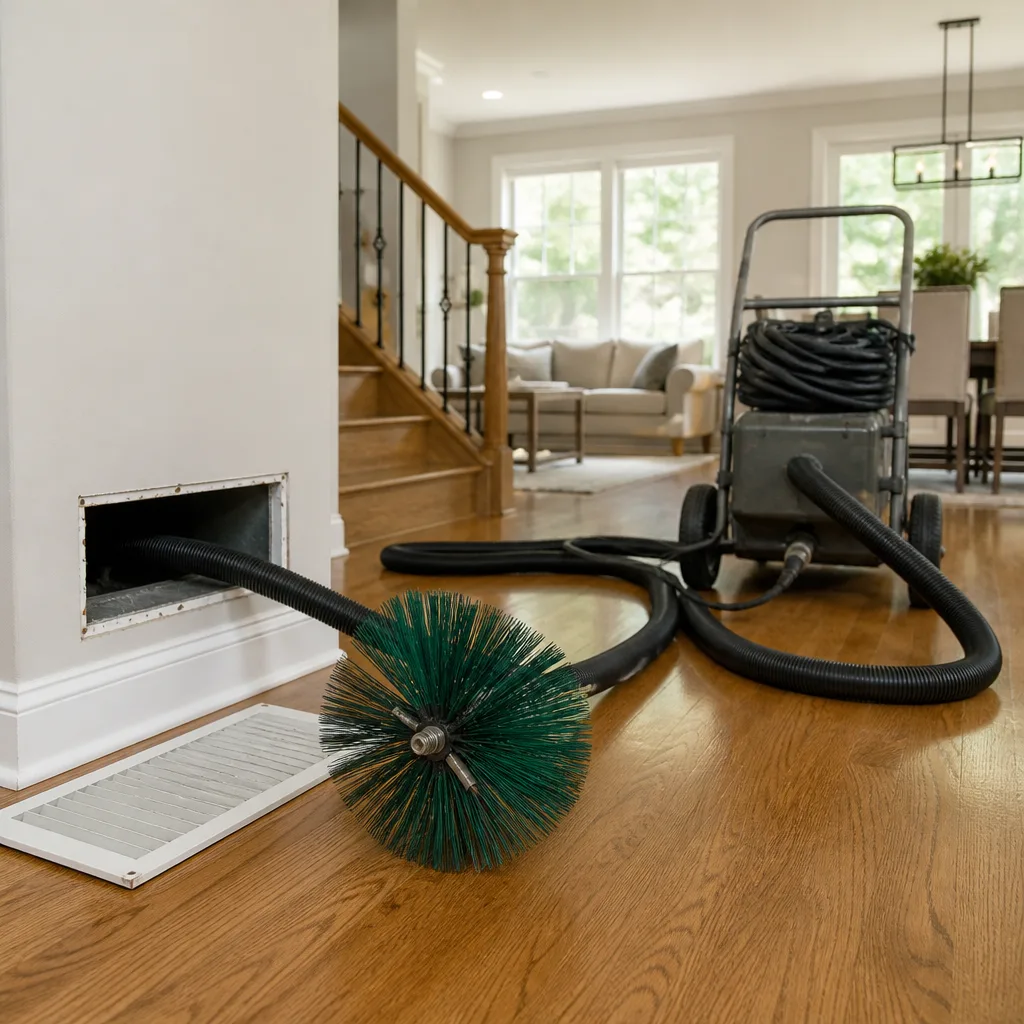 Whole-home duct cleaning
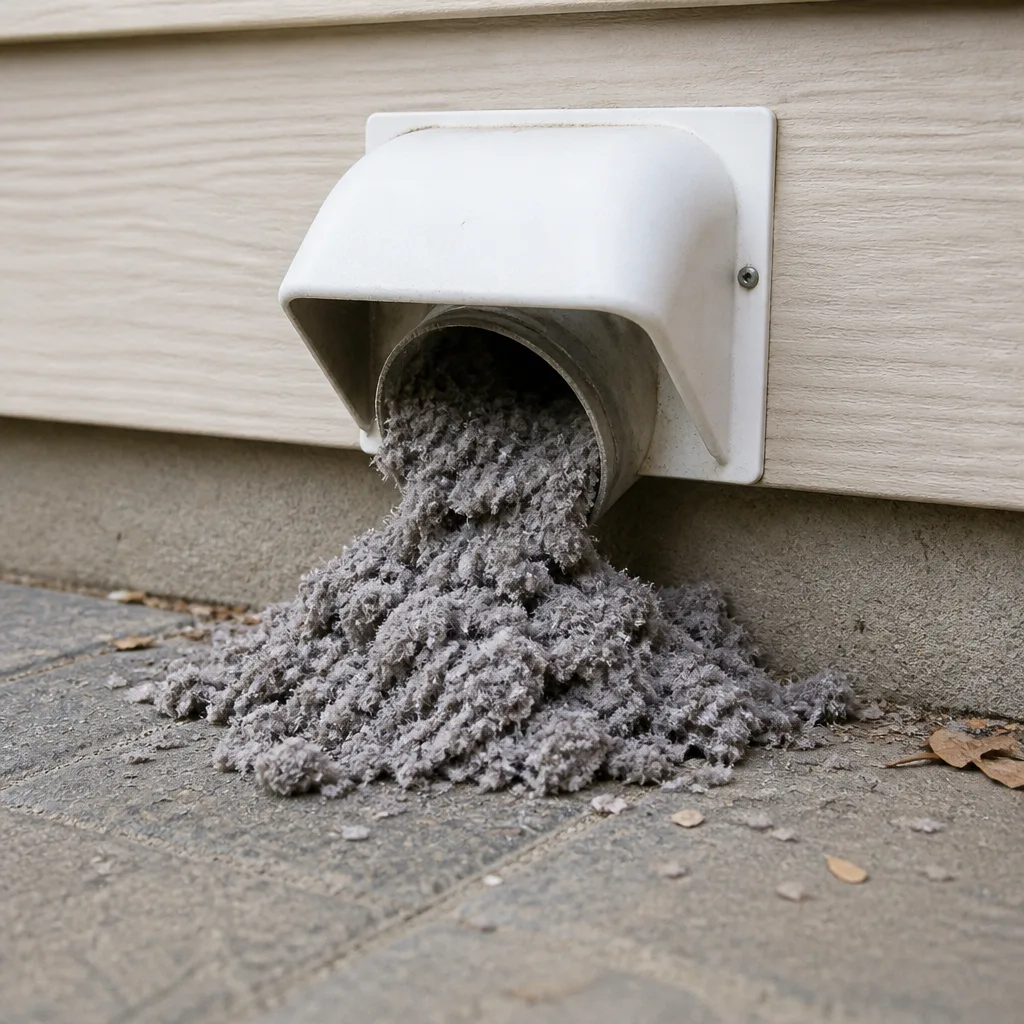 Dryer vent cleaning
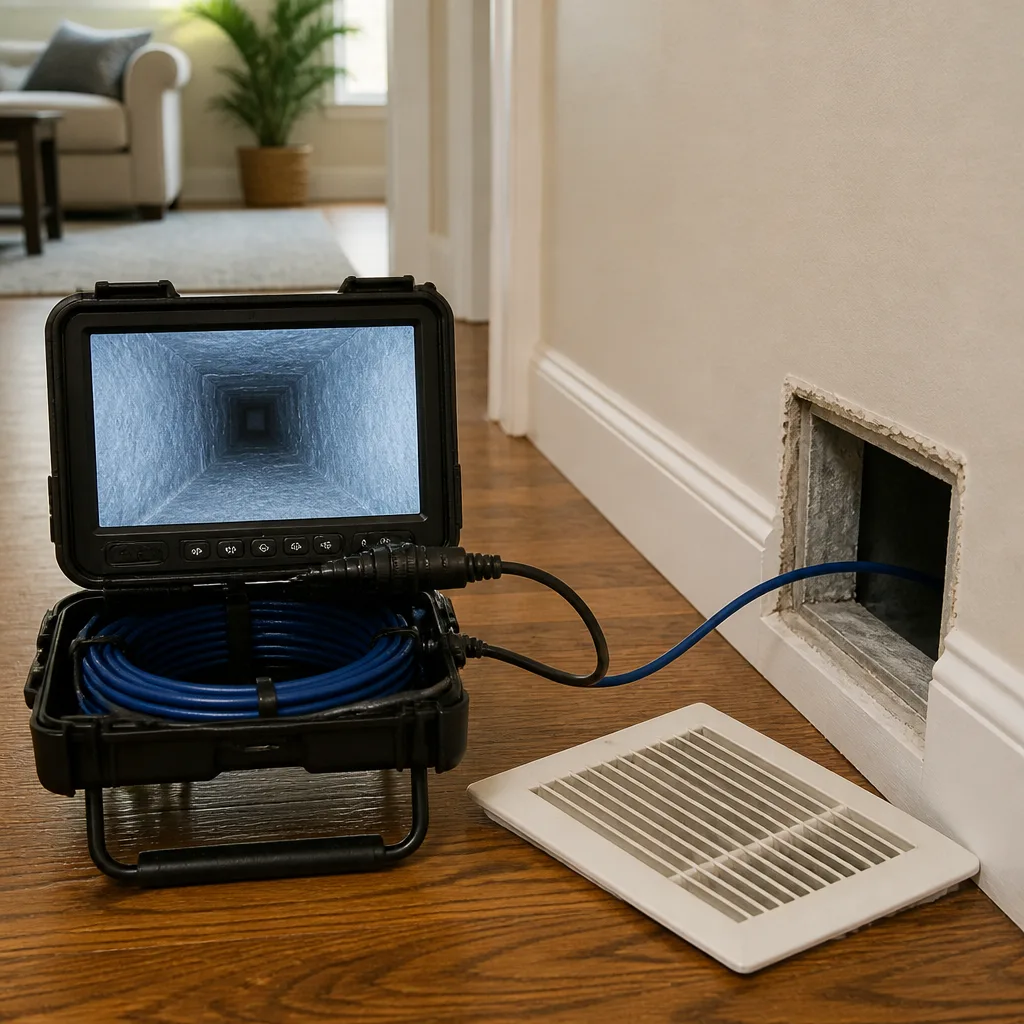 Camera inspection
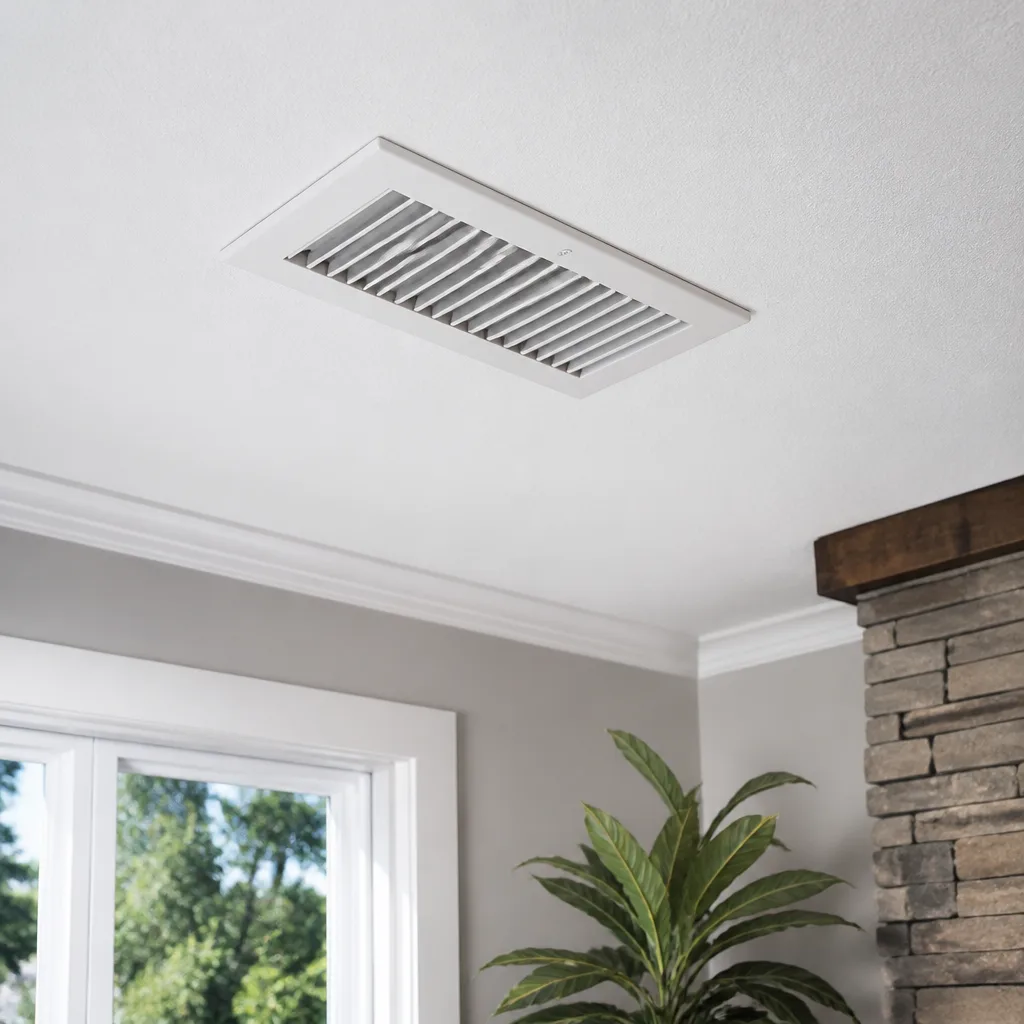 Sanitizing & deodorizing
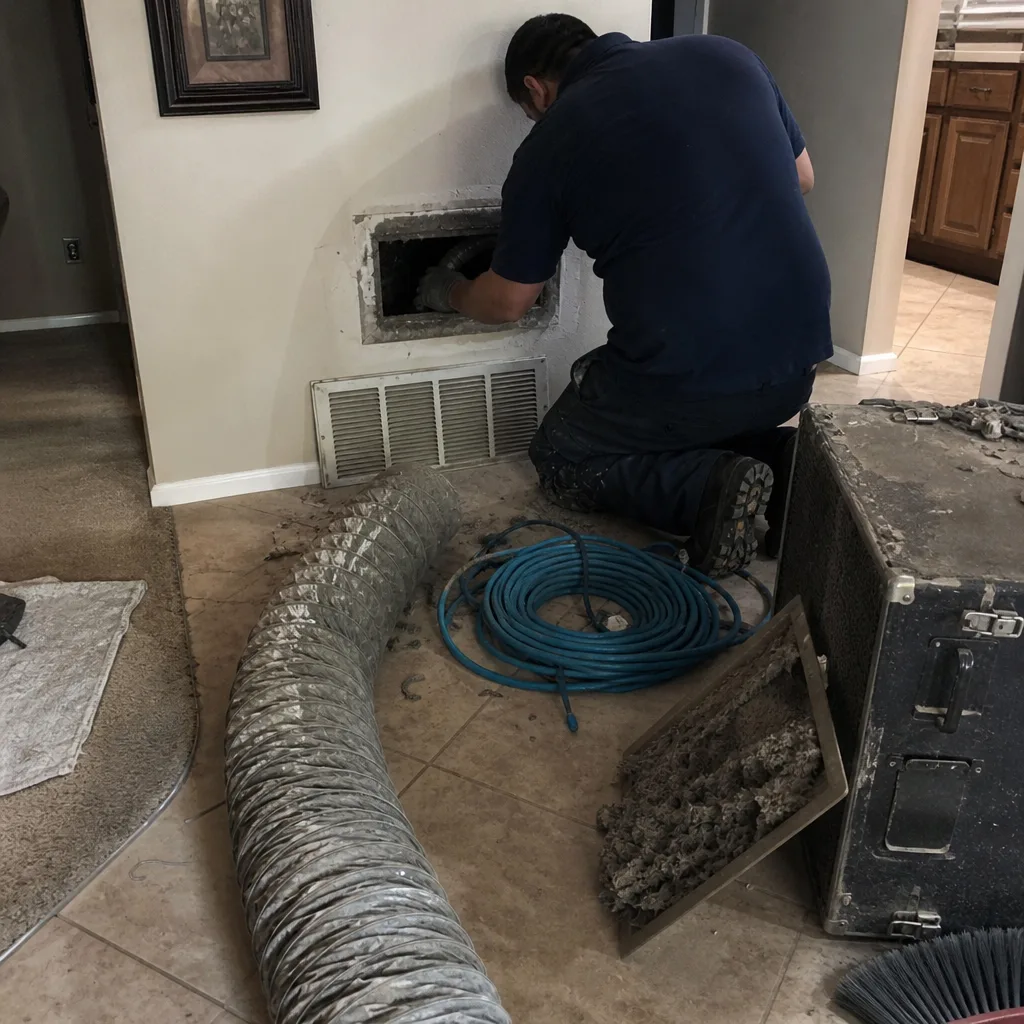
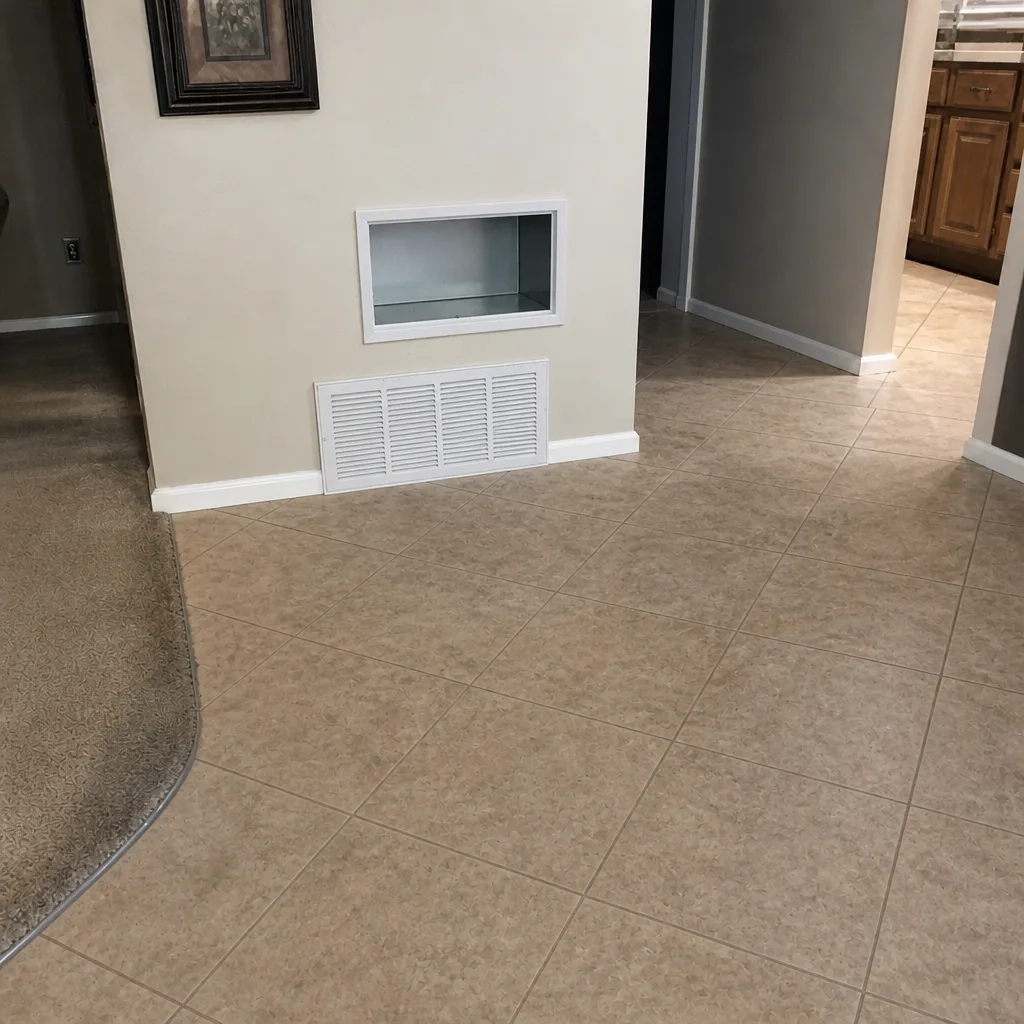
Whole-system duct and dryer vent check with before-and-after photos - you see exactly what came out of your vents
That "$99 whole-house special" is a bait ad - the real number appears once they are in your hallway, or the "clean" is a shop-vac at the register. We photograph the inside of your ducts before and after instead.
Seasonal Air Duct Cleaning Care for North Las Vegas: Year-Round Homeowner’s Guide
Most seasonal maintenance advice assumes you live somewhere with four recognizable seasons. North Las Vegas doesn’t work that way. The Mojave Desert gives you a long, punishing cooling season, two short shoulder months that hide more duct problems than they reveal, and a winter mild enough that homeowners forget their ducts exist for four months. That forgetfulness is expensive. The shoulder months – October and March – are when North Las Vegas ducts show the most diagnostic information: thermal cracks from summer expansion, dust loading patterns from monsoon haboobs, filter clogging rates. But those are also the months when most homeowners assume everything is fine because the AC isn’t running hard yet. This guide maps duct care to what’s actually happening in North Las Vegas’s climate cycle, not to generic spring-cleaning fluff. You’ll learn when to inspect, when to clean, when to wait, and how to use the off-season as a repair window.
Styles & brands we work with
- Whole-home duct cleaning
- Dryer vent cleaning
- Camera inspection
- Sanitizing & deodorizing
Quick Answer
The best time to schedule air duct cleaning in North Las Vegas is during the shoulder months of March-April or September-October, when the cooling load is light and contractors have scheduling flexibility. Peak summer months (May-September) are for monitoring, not cleaning – the system is already running at full load and you don’t want to disrupt it. Post-monsoon inspection after haboob events is the single most overlooked task in the valley, and winter is when gas heating systems deserve a different kind of attention than cooling-only homes require.
Table of Contents
- Pre-Cooling Season (March-April): The Inspection Window
- Peak Cooling Season (May-September): Monitor, Don’t Disrupt
- Post-Monsoon (September-October): The Haboob Hangover
- Winter Idle Period (November-February): What Gas Heat Changes
- The Shoulder Season as a Repair Window
- What Air Duct Cleaning Costs in North Las Vegas
- Filter Baseline and Humidity Control in a Desert Climate
- Common Mistakes to Avoid
- When to Call a Professional
- Frequently Asked Questions
- The Bottom Line
Pre-Cooling Season (March-April): The Inspection Window
March in North Las Vegas is the single best month to look at your duct system honestly. The AC has been off or cycling lightly for months. The ducts have been sitting stable, which means any cracks, separations, or sagging sections from the previous summer’s thermal expansion are fully relaxed and visible. You’re not asking the system to perform while you evaluate it. Here’s what should happen in March, before the first 100-degree day forces the system back to full load:
- Check every accessible duct connection. In North Las Vegas, attics routinely hit 140°F in July. That heat causes sheet metal to expand and flexible duct to shift against its connections. When the attic cools in November, everything contracts. By March, the damage from that cycle is set. Look for separated joints, sagging runs, and tears in the outer jacket of flexible duct. A tear that looks trivial in March becomes a leak that blows conditioned air into the attic by June.
- Inspect the coil access point. If you can see the evaporator coil, look for dust accumulation on the inlet side. Coils get wet during cooling season, and wet surfaces catch fine dust. That dust bakes on over a hot summer. In our experience, the inlet face of a coil tells you more about duct health than the registers do, because it’s downstream of the entire duct system.
- Establish a filter baseline. Put in a fresh filter in March and note the date. Check it weekly through April as the system starts cycling more. How fast the filter loads tells you how much dust is moving through the return side of the system. A filter that’s heavily loaded in three weeks means the ducts are shedding or pulling particulate from somewhere they shouldn’t be.
- Listen for new rattles. Ducts that rubbed against framing last summer may have worn a thin spot in the jacket. When the blower kicks on in March after months of reduced use, those thin spots hiss or flutter. That’s diagnostic information, not just a noise problem.
If you’re planning to have ducts cleaned, this is the time. The system isn’t under load, a cleaning crew isn’t fighting attic heat, and any duct damage the cleaning process reveals can be repaired immediately. Lancaster Duct Cleaning runs Rotobrush rotating-brush equipment paired with Nikro HEPA extraction, which means we’re physically scrubbing duct walls rather than just blowing air through the system. That’s a process that makes more sense in a cool attic in April than in a 140-degree attic in July.
Peak Cooling Season (May-September): Monitor, Don’t Disrupt
Here’s the counterintuitive part of this whole guide: you should not schedule air duct cleaning during peak cooling months in North Las Vegas. May through September, your AC is running more hours than it’s off. Any interruption to the duct system – disconnected registers, open access panels, negative air pressure during extraction – forces the system to work harder during the exact months when it’s already working hardest. A cleaning that runs two hours in July means two hours without centralized cooling, in a house that may already be struggling to hold 78 degrees.
Instead, peak summer is for monitoring. The system is revealing its weaknesses under load. Here’s what to watch:
- Temperature differential at registers. On a hot afternoon, air coming out of a supply register should feel roughly 15-20°F cooler than the air at the return. If one room consistently underperforms, that’s a duct leak or a collapsed section feeding that room, not a system problem.
- Running time. If the compressor runs non-stop from 2pm to 7pm and the house still doesn’t hit setpoint, restricted airflow through dirty ducts is one of the top suspects. But so is a clogged coil, low refrigerant, or undersized equipment. Peak summer is for identifying that there’s a problem, not necessarily for fixing it, unless it’s an emergency.
- Dust accumulation on furniture. If you’re dusting twice a week in August when windows are closed and the AC runs constantly, that dust is circulating through your duct system or being pulled in from a return leak. This is a strong diagnostic signal that points toward cleaning or repair in the fall.
- Condensation. Sweating registers or damp spots on ceilings near duct runs mean cold air is leaking into unconditioned spaces, or the duct insulation jacket has failed. In a 110°F attic, that condensation is aggressive. Note it, photograph it, and target it for the fall repair window.
If you notice severe airflow loss, visible mold growth, or a rodent problem in the ducts during peak summer, don’t wait. Those are exceptional conditions that justify disrupting the cooling cycle. For everything else, use the summer to build a list of symptoms, then act on that list in October.
Post-Monsoon (September-October): The Haboob Hangover
North Las Vegas gets dust storms that most of the country has no frame of reference for. Haboob walls can push tens of thousands of feet of particulate across the valley in an afternoon. What most homeowners don’t think about is where that particulate ends up. Your home isn’t sealed against it. Dust gets pulled into the building envelope through weep holes, attic vents, door seals, and the fresh-air intake of the AC system itself. Some of that dust settles in the ducts.
September and October are the correct months to do something about it. Here’s the sequence that happens after a major storm:
- First 24-48 hours: The heaviest dust settles onto horizontal surfaces. That’s your clue about what’s in the air. Fine silty dust on interior window sills means the building envelope was breached. That same dust fraction is what your AC filter and duct system saw.
- First 1-2 weeks: The AC cycle pulls that particulate through return ducts, across the filter, and into supply runs. If the filter is doing its job, the largest fraction gets trapped. But fine particulates pass through standard filters and accumulate on duct walls, especially in the months when the system runs at high speed.
- The post-storm inspection: Pull the filter. If it looks like it was installed yesterday and an active haboob just came through, your return side is pulling from a leaky location – an attic return pulling from the attic, a return plenum joint that’s separated, a filter slot that doesn’t seal. That’s a repair problem, not just a cleaning problem.
This is also when we recommend inspecting around ceiling registers and return grilles. Haboob dust is fine enough to settle in the stagnation zones of the duct system – the places where air velocity drops and particles fall out of suspension. Over months, that fine layer accumulates. Over years, it cakes. A post-monsoon cleaning doesn’t just remove dust; it removes the dust that’s been baked on by the preceding three months of peak heat.
Winter Idle Period (November-February): What Gas Heat Changes
North Las Vegas winters are mild enough that many homes run heat only at night and on the coldest mornings. But if your home has gas heat, the winter months change the chemistry inside the duct system. And most homeowners never think about it.
Here’s the difference. Cooling season produces condensation, which wets dust and captures it against duct surfaces. Heating season does the opposite. Gas heat produces dry, warm air that bakes and desiccates whatever was left in the ducts. Fine dust that was trapped by moisture in September becomes loose particulate by January. It also means that combustion byproducts – if any are entering the duct stream – behave differently. A heat exchanger crack or improper combustion air supply can introduce carbon monoxide risk, and winter is when that risk concentrates because the furnace runs and the house is closed up.
Winter duct maintenance in North Las Vegas looks like this:
- Filter changes at least every 60 days, even with light heating use. The furnace blower moves less air per hour than the AC does in summer, but the particles it moves are drier and more easily aerosolized.
- Register checks for discoloration. Dark staining around supply registers in winter can indicate dust being baked onto surfaces by hot supply air. It’s a sign the ducts haven’t been cleaned recently.
- Carbon monoxide awareness. Homes with gas heat should have working CO detectors. This is not an optional item in a city where furnaces may sit unused for 8 months and then run hard for 4. If a CO alarm sounds, treat it as an HVAC emergency, not a duct problem, and call a qualified professional immediately.
Winter is also the best time to clean ducts in homes with gas heat, because the furnace blower produces the same warm, dry environment that loosens debris. The Rotobrush and Nikro extraction method we use is equally effective in heating season as cooling season, and there’s no cooling load to protect. The system is available for service without disrupting comfort.
The Shoulder Season as a Repair Window
Here’s a simple fact about the contractor market in North Las Vegas: everyone wants work done in the mild months. That’s universal. But duct repair is different from other trades because the urgency clock doesn’t start until the system is under heavy load. A leaky duct in January is an inefficiency. A leaky duct in July is a comfort emergency and a utility bill emergency.
That’s why October and March are the right months to fix what the busy season revealed. The summer gave you a list: a noisy register, a room that never cools, a filter that loads too fast, a dust problem that got worse. October is when you act on that list. Contractors have scheduling flexibility. Attics are cool enough to work in safely. And the repair can be tested under light load before the next season demands full output.
Here’s the process we recommend:
- September-October: Book the post-monsoon inspection and cleaning. If the cleaning reveals damaged duct sections, separated joints, or torn insulation, get the repair quoted immediately. Air duct repair is a service most duct cleaning companies don’t offer. We do, because we see damage that other companies either ignore or refer out. Dryer vent cleaning fits into this same window, for the same reason: the vent is accessible, the roof is tolerable, and the work doesn’t disrupt comfort.
- October-November: Complete any duct repair work, then run the system through a full heating cycle to verify airflow, register temperature, and static pressure if you have the ability to check it. This is the test that confirms the fix.
- February-March: The second repair window opens before the cooling season. Any issue that appeared during winter heating – a new rattle, a whistle, a register that doesn’t deliver – gets addressed now. The goal is to enter May with a duct system that’s clean, sealed, and known-good.
We cannot emphasize enough how much this seasonal rhythm matters. Homeowners who ignore the shoulder seasons end up paying emergency rates in July, or living with the problem for another year. The shoulder season is not the off-season. It’s the decision season.
What Air Duct Cleaning Costs in North Las Vegas
Whole-system air duct cleaning in North Las Vegas typically falls in the $450-$850 range for an average home. Homes with extensive duct systems, multiple returns, or significant contamination run higher. The price is set per job by the written estimate, and anyone giving you a “per-vent” price is using a pricing model that incentivizes them to count vents, not to clean thoroughly. Here’s what influences the number:
| Factor | Typical North Las Vegas Range / Impact |
|---|---|
| Home size (single system) | $450-$650 for homes up to ~2,500 sq ft |
| Multiple HVAC systems | Each additional system typically adds $200-$350 |
| Heavy post-renovation dust | Adds 20-40% to base cleaning |
| Haboob-related particulate load | Adds $100-$250, depending on severity |
| Duct repair (if needed) | Quoted separately, varies by scope |
| Access difficulty (attic, crawlspace) | Adds $100-$200, standard for older North Las Vegas homes |
Every estimate from North Las Vegas duct specialists should be free, written, and itemized. If a company won’t put a number in writing before starting work, walk away. The written estimate sets the final price, and that’s how it should work. Call (866) 942-9753 for a free estimate on whole-system cleaning. We answer 24/7. Fast dispatch from 7am to 7pm, Sunday through Friday.
Filter Baseline and Humidity Control in a Desert Climate
Most filter advice is written for humid climates. It tells you to change your filter every 90 days, and that’s wrong for North Las Vegas. A MERV 8 filter in a North Las Vegas home running AC eight months a year will load much faster than the same filter in a mild climate running only four months. And once a filter loads to resistance, air bypasses it around the edges, which means the dust that should have been caught is instead deposited downstream in the supply ducts.
Here’s the North Las Vegas filter baseline we recommend:
- March through May: Check weekly as cooling ramps. Expect to replace every 30-45 days.
- June through September: Replace at least monthly. Homes with pets, nearby construction, or high-occupancy loads may need twice-monthly changes.
- October through February: Replace every 60 days. The system runs less, but the dust that moves is finer and drier.
On humidity: North Las Vegas is a desert, and desert air is dry. That means several things for your ducts. It means condensation in the ductwork is less of a year-round problem than in, say, Florida. But it also means that dry dust aerosolizes more easily. A duct system with a fine layer of dust will release that dust every time the blower kicks on, because there’s no moisture to bind it. If you live with allergy symptoms in North Las Vegas during the exact months when the AC runs hardest, the ductwork is a suspect. Hepa filtration at the equipment level, particularly through systems we’re familiar with like Honeywell and Aprilaire filtration units, can make a measurable difference in that airborne load. We work around those units regularly and understand how duct condition interacts with higher-efficiency filtration.
Common Mistakes to Avoid
- Booking cleaning in July because the dust problem is worst in July. July is when symptoms peak, not when cleaning is wisest. Use the peak season to document symptoms, then clean in the shoulder months when the system isn’t at full load and the attic isn’t 140 degrees.
- Assuming a haboob only affects the outside of the house. The fine particulate that penetrates the building envelope ends up in the return air stream. If it’s on your window sills, it’s in your ducts.
- Ignoring the filter slot seal. The filter does nothing if air bypasses around it. Many North Las Vegas homes have filter slots that are oversized, warped, or just badly installed. That’s a repair item, not a maintenance item.
- Treating duct cleaning and duct repair as two separate appointments. If a cleaning reveals a separated joint, most companies will tell you to call someone else. That extra call creates delay, and delay means the problem persists through another season. Work with a specialist who can clean and repair in the same visit.
- Never cleaning dryer vents because the laundry room is inside. North Las Vegas homes have roof or wall dryer vent terminations that accumulate lint and Mojave dust. The combination is a fire risk, and the vent is the most overlooked safety item in the home.
- Using cheap fiberglass filters year-round. A $1 filter catches large debris and lets fine dust through. In a dusty climate with high AC runtime, that fine dust is exactly what accumulates in ducts and on coils. A MERV 8 pleated filter is a reasonable baseline for most homes.
- Falling for per-vent pricing. If a company charges per vent, they have an incentive to count vents and move fast. Whole-system pricing aligned with the written estimate means the company is quoting the job, not the sales pitch.
When to Call a Professional
Call a professional when you see dust streaks at supply registers, when a room never reaches the temperature of the rest of the house, when your filter loads in under three weeks, or when a haboob leaves visible silt on interior surfaces. Call when you’ve moved into a home and don’t know the duct history, or after a renovation that generated significant drywall or flooring dust. Call before the cooling season starts if you noticed issues last summer and deferred them. Lancaster Duct Cleaning offers free estimates in North Las Vegas – call (866) 942-9753. We answer 24/7. Fast dispatch from 7am to 7pm, Sunday through Friday.
Frequently Asked Questions
Every 3-5 years for most North Las Vegas homes, with the timing tied to the shoulder season rather than an arbitrary calendar. Homes with pets, high dust loading, nearby construction, or year-round allergy symptoms may need cleaning every 2-3 years. The best way to know is to inspect the filter loading rate and register dust accumulation. Call (866) 942-9753 for an exact assessment – estimates are free.
Because they use different methods. The cheapest quotes typically come from companies running vacuum-only systems that don’t physically agitate the dust from duct walls. Brush-and-extract methods, like the Rotobrush and Nikro system we use, take longer and cost more, but they remove what’s actually adhered, not just what’s loose. A cheap cleaning that leaves dust behind is a waste of money. Call (866) 942-9753 to understand what a complete cleaning looks like.
Ask for before-and-after photos of the inside of the main supply and return plenums. A legitimate company will show you the duct surfaces, not just the register covers. At Lancaster Duct Cleaning, we document what we find and what we leave behind. If someone refuses to show you photos, that’s not a company you want inside your duct system. Look for a professional who can talk through the specific equipment and process.
Yes, and in some ways more than in humid climates. Desert air means dry particulate that aerosolizes easily and bakes onto duct walls during the cooling season. North Las Vegas haboobs add a particulate load that most regions never see. The issue isn’t humidity, it’s the volume of fine dust moving through the system for eight months of the year.
October is the best all-around month, because the worst of the summer heat has passed, the haboob season is winding down, and the system is still warm enough to have loosened debris. March is the second-best option, giving you a clean start before cooling season. Both months fall outside peak cooling load.
It can, if allergies are triggered by particulate that’s circulating through the HVAC system. If the allergen load is outside – like pollen from desert plants – cleaning won’t change that. But if fine dust, pet dander, or construction particulate is being recirculated every time the blower runs, cleaning the duct system reduces the airborne load. High-efficiency filtration like Honeywell or Aprilaire units can also help, especially when ducts are confirmed clean. Call (866) 942-9753 for an honest assessment of what’s actually in your ducts.
The Bottom Line
North Las Vegas has two seasons that matter for duct care: the brutal cooling season and the shoulder months that bracket it. Use the cooling season to monitor symptoms, not to fix them. Use the shoulder months to clean, repair, and prepare. The post-monsoon window in October is the single most important period for inspection, because haboob dust is the most aggressive particulate your duct system faces all year. And the winter, mild as it is, deserves attention in gas-heated homes where combustion byproducts interact differently with duct surfaces than they do in cooling season. When you clean, use a professional who names their equipment and offers repair as part of the same visit. Those two details tell you whether you’re hiring a real duct specialist or a bargain van with a vacuum. Call (866) 942-9753 for a free estimate. We answer 24/7. Fast dispatch from 7am to 7pm, Sunday through Friday.
Written by the team at Lancaster Duct Cleaning, serving North Las Vegas since 2013.
See the difference
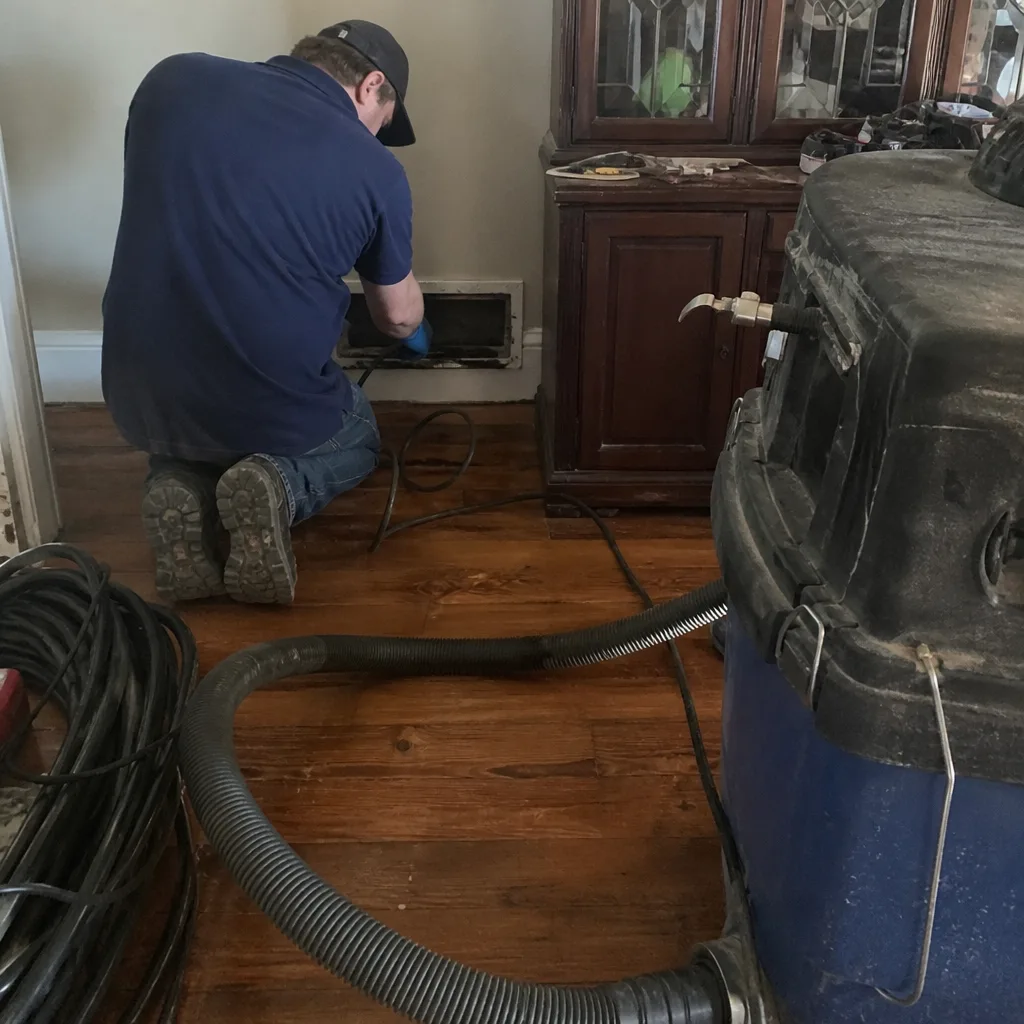 Before
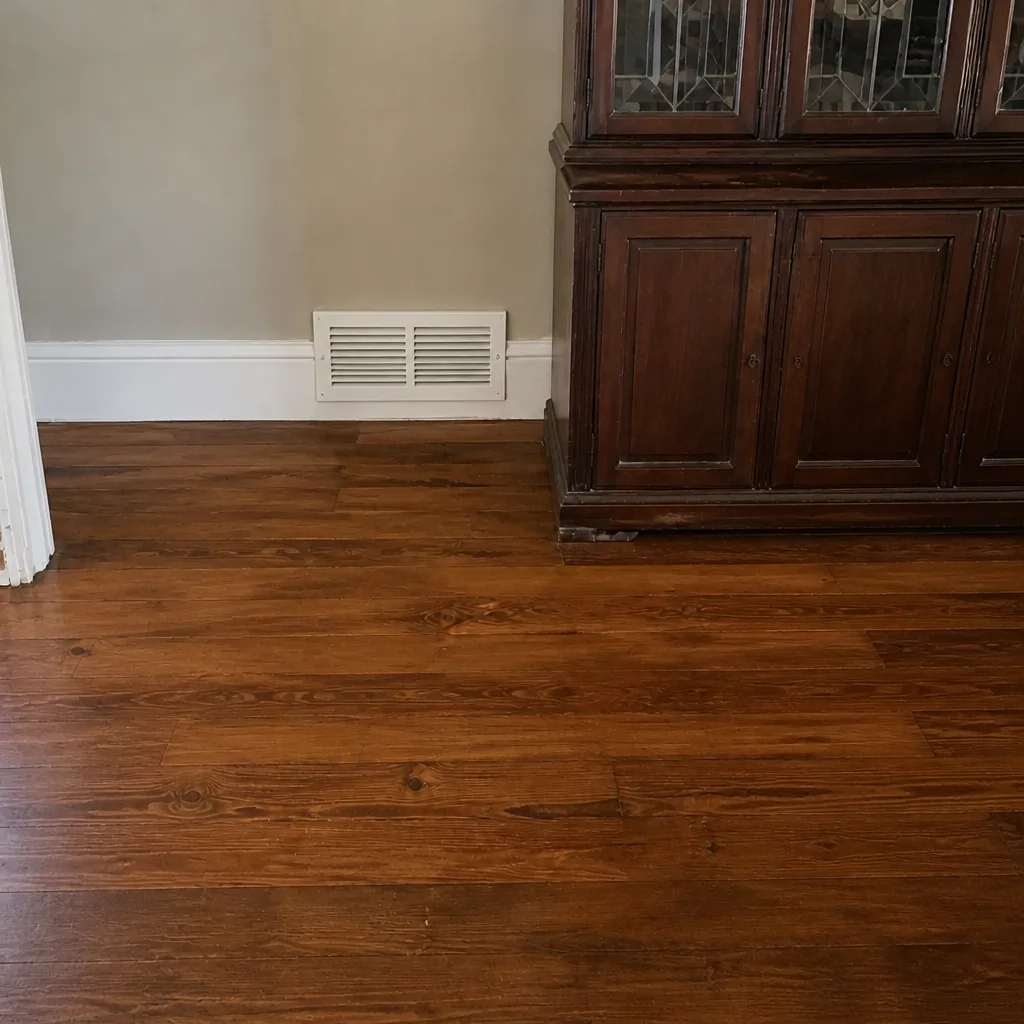 After
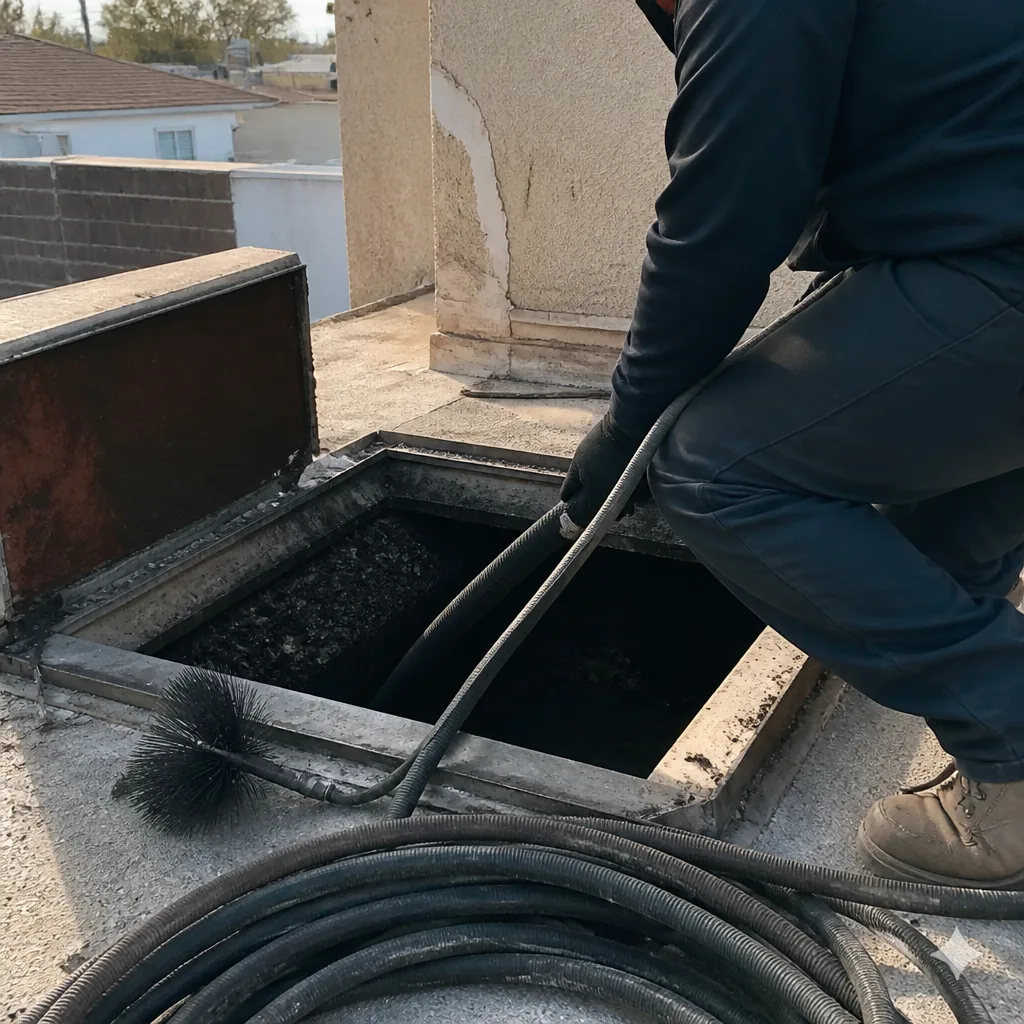 Before
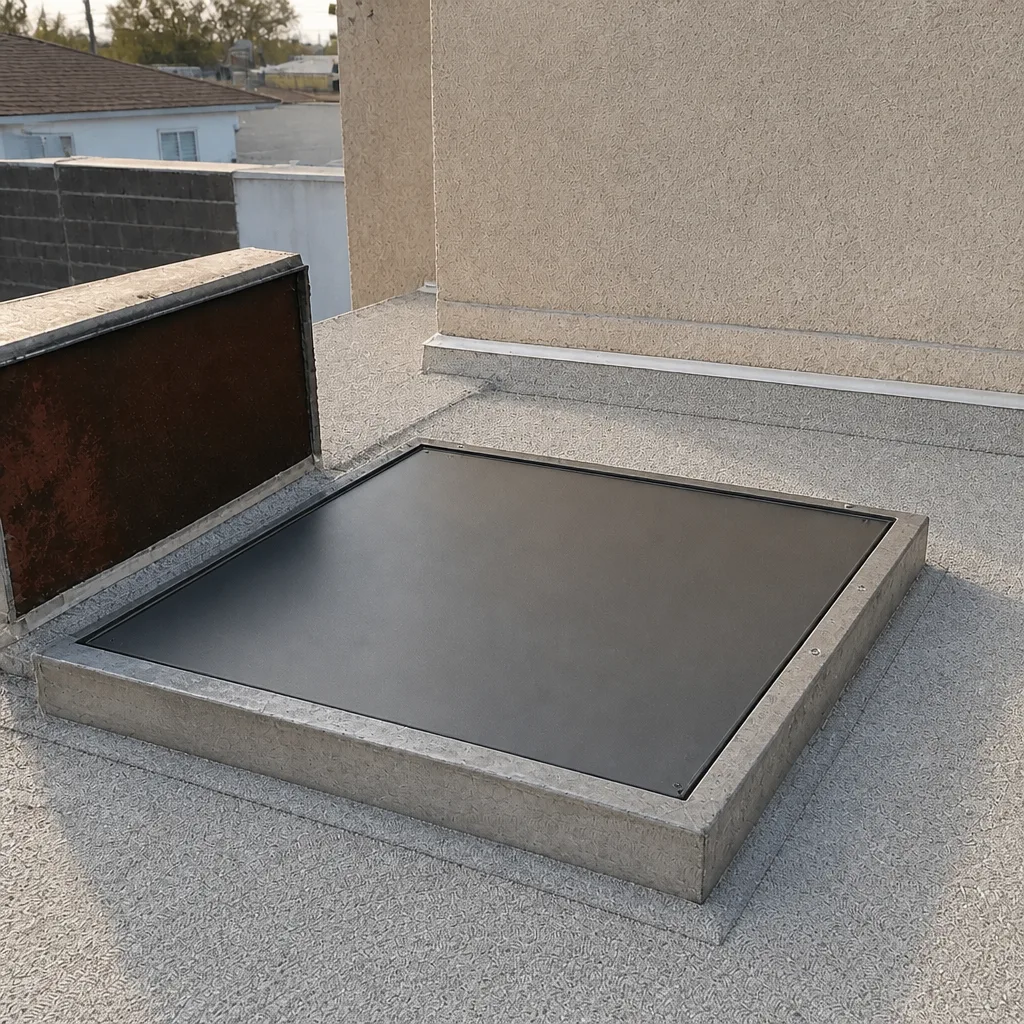 After
 Before
 After