
Last updated November 14, 2026
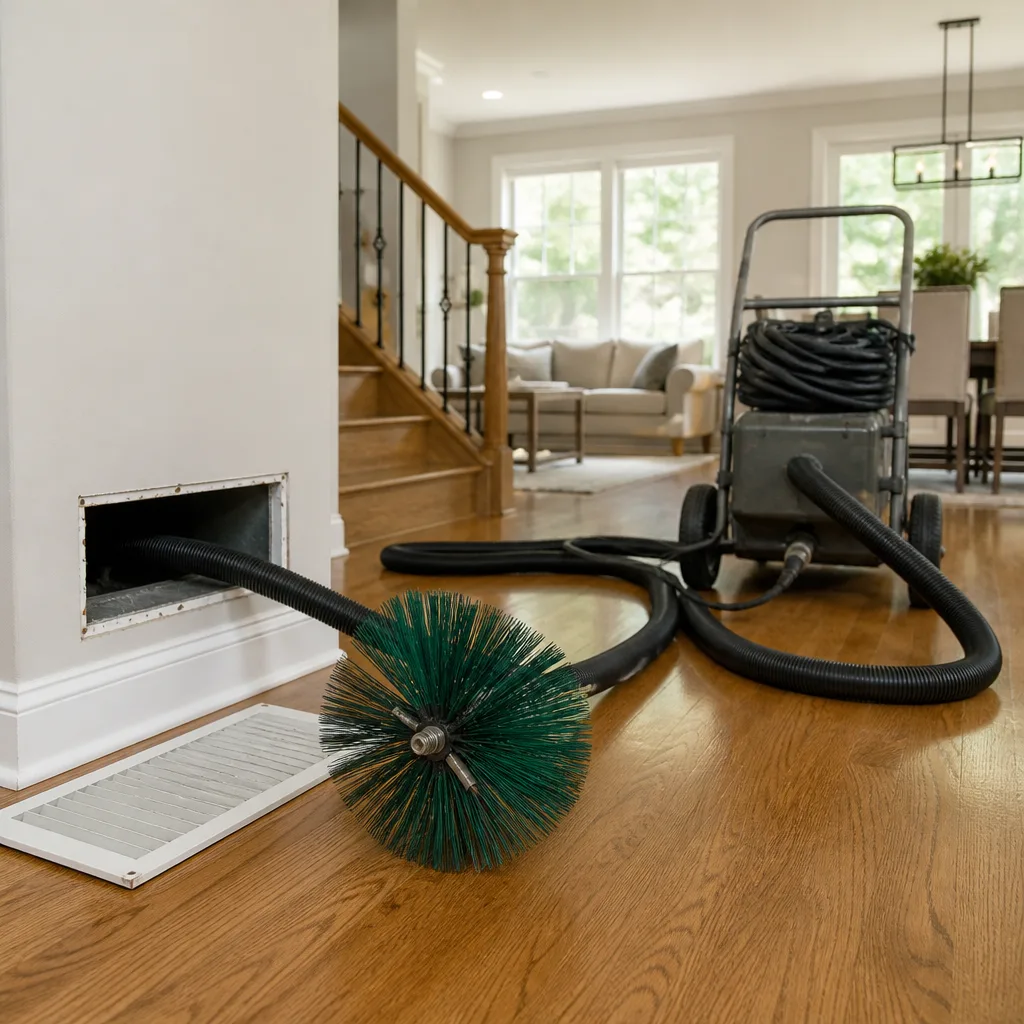 Whole-home duct cleaning
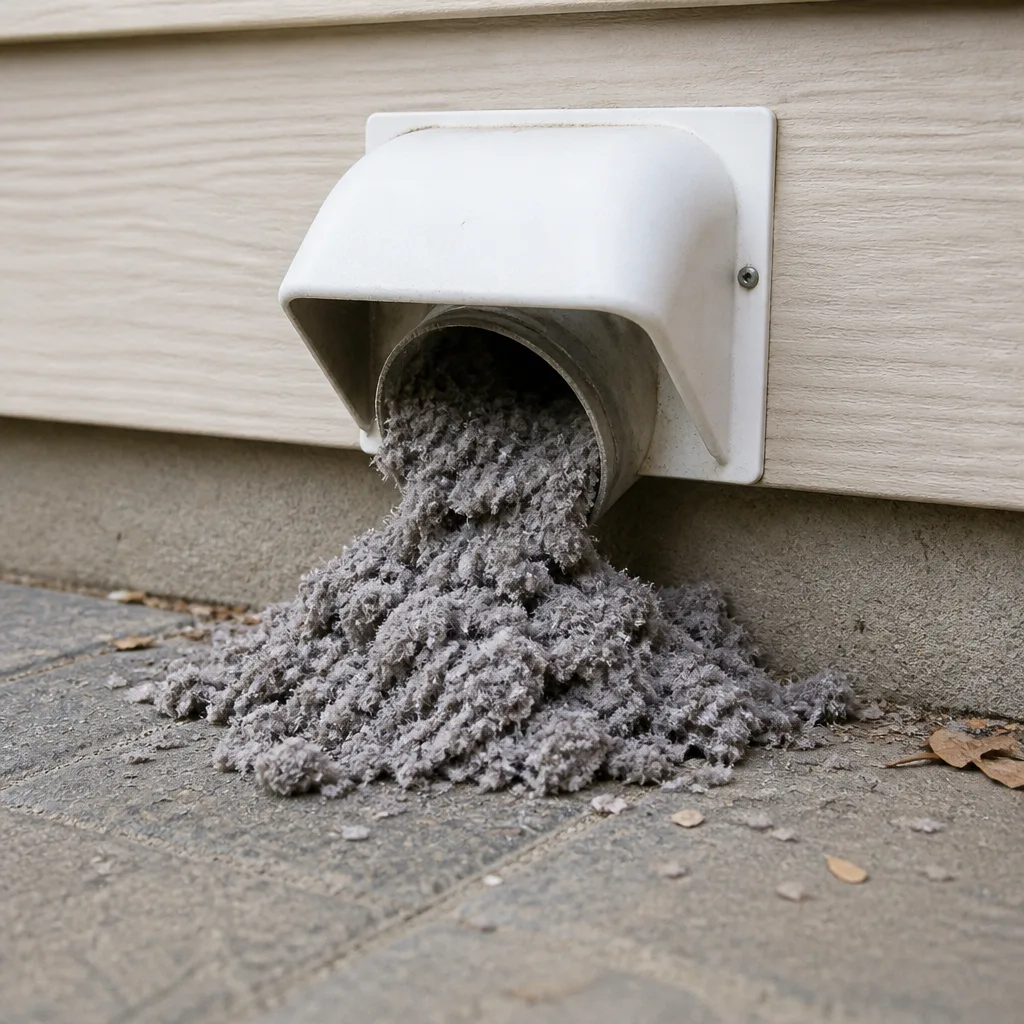 Dryer vent cleaning
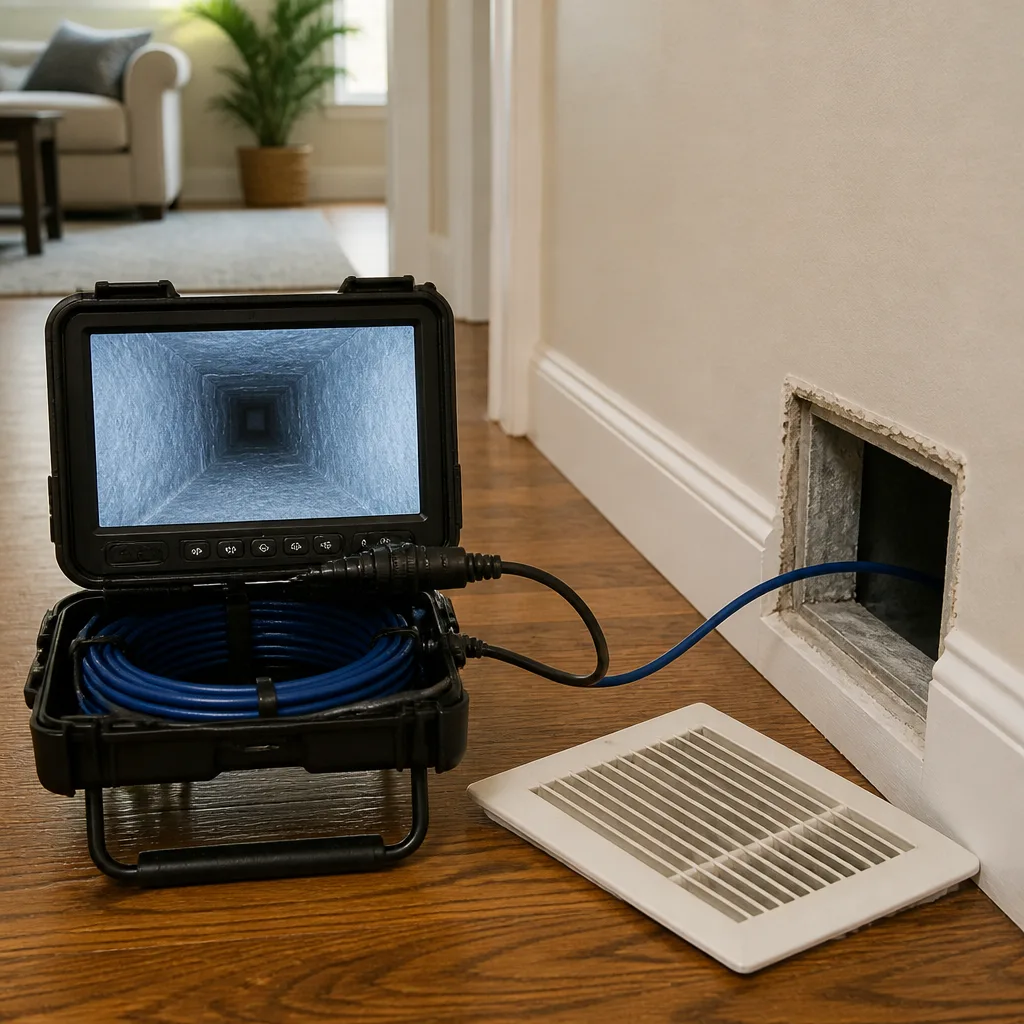 Camera inspection
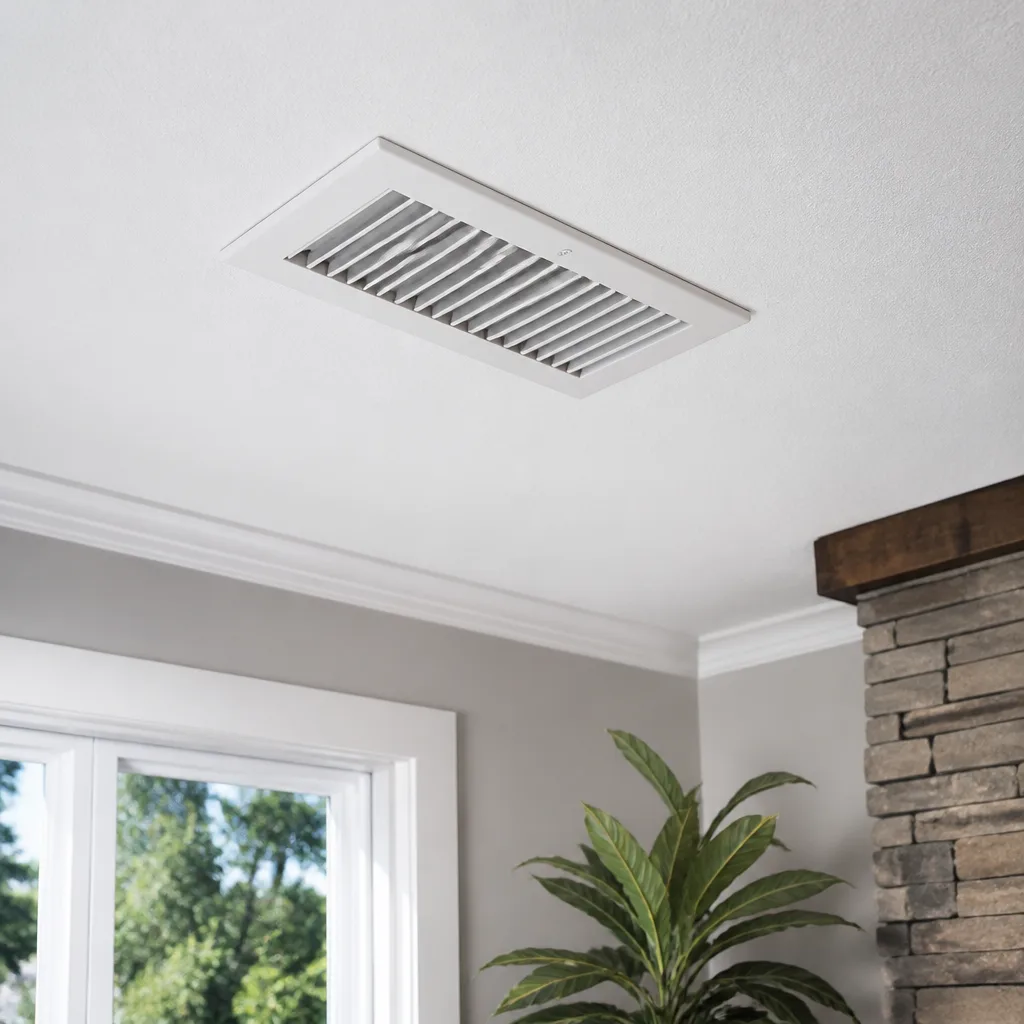 Sanitizing & deodorizing
Whole-system duct and dryer vent check with before-and-after photos - you see exactly what came out of your vents
That "$99 whole-house special" is a bait ad - the real number appears once they are in your hallway, or the "clean" is a shop-vac at the register. We photograph the inside of your ducts before and after instead.
Air Duct Cleaning Permits, Codes & Inspections in North Las Vegas, NV: What You Need to Know
Here’s the uncomfortable reality most homeowners in North Las Vegas discover too late: the cleaning itself rarely needs a permit, but the repair work that often follows can. A technician pulls off a register, finds a crushed return duct or a gaping hole in the plenum, and suddenly an ordinary maintenance call has crossed into territory the City of North Las Vegas Building Department regulates. If that repair happens without the right paperwork, you might not know until a home inspector flags it during a sale, or until a warranty claim gets denied because the alteration was never documented. This guide explains exactly where the regulatory line sits, what triggers an inspection, and the questions you should ask before anyone touches your ductwork.
Quick Answer
Air duct cleaning in North Las Vegas does not require a building permit, because the City of North Las Vegas and Clark County treat it as maintenance rather than construction. However, duct repair, duct replacement, or modifications to the plenum, trunk lines, or air handler connections often do require a mechanical permit and inspection under the codes the city has adopted. The clean work is unregulated; the repair work is not.
Styles & brands we work with
- Whole-home duct cleaning
- Dryer vent cleaning
- Camera inspection
- Sanitizing & deodorizing
Table of Contents
- Why Cleaning and Repair Fall Under Different Rules
- Which Codes Govern Mechanical Work in North Las Vegas
- Specific Repairs That Trigger a Permit
- How the Permit and Inspection Process Works
- How Unpermitted Duct Work Surfaces During a Home Sale
- HOA Considerations in North Las Vegas Master-Planned Communities
- Questions to Ask Your Contractor About Permits
- What Mechanical Permits Cost in North Las Vegas
Why Cleaning and Repair Fall Under Different Rules
The regulatory distinction comes down to one word: alteration. Air duct cleaning is a maintenance process. We insert rotating brushes and extraction hoses into existing ductwork, remove debris, and leave the system exactly where we found it. Nothing is cut, moved, replaced, or reconfigured. Building departments across Nevada, including North Las Vegas, do not classify this as construction, so no permit is required and no inspection follows.
Repair is a different animal. When a section of duct is replaced, a branch line is added, or the connection at the plenum is modified, the mechanical system itself has changed. The City of North Las Vegas treats this as an alteration to a regulated system, governed by the adopted mechanical code and subject to permit and inspection requirements. In our experience, this is where homeowners get caught off guard. A cleaning reveals damage, the technician offers to fix it, and nobody stops to ask whether the repair needs paperwork. Two years later, the seller’s disclosure asks about unpermitted work, and the answer is awkward.
The practical rule of thumb: if the work could change system airflow, static pressure, or the physical configuration of the duct network, assume it needs a permit. If the work only removes what shouldn’t be there anyway, it doesn’t.
Which Codes Govern Mechanical Work in North Las Vegas
The City of North Las Vegas operates its own Building Department and adopts its own editions of the model codes. The mechanical work that touches duct systems falls under the International Mechanical Code (IMC) and the International Residential Code (IRC), both of which Nevada has adopted at the state level with local amendments. These are the same code families used by Clark County and neighboring jurisdictions, but the specific edition year and any North Las Vegas amendments are what actually control.
For ductwork specifically, the relevant sections address material standards, installation methods, support requirements, and thermal performance. The IMC chapter on duct systems covers how ducts must be constructed, sealed, and insulated. The IRC carries parallel residential provisions. Neither code regulates cleaning. Both codes regulate installation, repair, and replacement. That’s the line.
Here’s what this means in practice for someone in North Las Vegas:
- Section M1601 of the IRC (duct construction) applies whenever duct sections are fabricated, replaced, or modified, not when they’re cleaned.
- IMC Chapter 6 (duct systems) governs commercial and residential alterations that exceed the IRC’s scope.
- North Las Vegas Municipal Code Title 15 sets local permit fees, plan review requirements, and inspection scheduling for mechanical work.
- Clark County Air Quality regulations do not govern residential duct cleaning and do not require notification for this work.
If you want the precise code edition currently enforced in North Las Vegas, the city’s Building Department publishes that information and updates it when the state adopts newer editions. Always confirm before starting a repair project, because code edition changes can shift specific requirements.
Specific Repairs That Trigger a Permit
Not every repair needs a permit. A small patch with mastic and foil tape on a pinhole leak generally doesn’t. Replacing an entire duct run generally does. The City of North Las Vegas, like most Nevada jurisdictions, uses the scope of the alteration as the deciding factor. Here are the scenarios we most often encounter, ranked by how frequently they come up in North Las Vegas homes:
- Replacing a duct trunk section. The trunk line is the main supply or return artery. Cutting out a section and installing a new one changes the system’s physical configuration. Permit required.
- Adding a branch duct. If a room was added, a remodel moved a wall, or a homeowner wants better airflow to a specific area, adding a branch line is new construction on an existing mechanical system. Permit required.
- Modifying the plenum. The plenum is the box connecting the air handler to the duct network. Any modification, including replacing a damaged plenum, is an alteration to the primary mechanical joint. Permit required.
- Changing air handler connections. Resizing or relocating the connection between the air handler and the supply or return plenum affects system performance and code compliance. Permit required.
- Replacing flex duct runs. In many North Las Vegas homes, branch lines are flexible duct. Replacing a damaged flex run with new flex of the same size still counts as replacement of a duct component. Permit typically required.
- Sealing duct leaks with mastic, foil tape, or aerosol sealant. Sealing existing ducts without replacing material is maintenance. No permit required.
- Cleaning and sanitizing the existing duct system. Maintenance. No permit required.
The distinction between sealing a leaking joint and replacing a leaking section matters. One is keeping the existing system functional. The other is changing the system. If you’re unsure which category a proposed repair falls into, call the North Las Vegas Building Department and describe the work. They’ll tell you directly whether a permit is needed, and the call costs nothing.
How the Permit and Inspection Process Works
If your duct repair does require a permit, the process in North Las Vegas follows a predictable path. Understanding it before you start removes the intimidation factor.
- Determine scope. Your contractor describes the exact repair: what’s being removed, what’s being installed, and where. This determines whether a permit is required and what documentation the city wants.
- Submit the permit application. A licensed mechanical contractor pulls the permit through the City of North Las Vegas Building Department. Homeowners can pull certain permits themselves, but for mechanical work, the city generally expects a licensed contractor to be involved.
- Pay the fee. Mechanical permit fees in North Las Vegas are based on the valuation of the work being performed, not a flat rate for all jobs. A small duct replacement costs less than a full trunk-line rebuild.
- Perform the work. The repair is completed according to code. The permitting contractor is responsible for ensuring the installation meets the standard the city will inspect against.
- Schedule the inspection. Once the work is done, the contractor calls for inspection. The city sends an inspector to verify the installation matches what the permit described.
- Receive sign-off. A passed inspection is recorded. That paperwork is what protects you later during a home sale or warranty claim.
This process is not designed to punish homeowners. It exists to create a paper trail proving the work was done correctly. For a cleaning-only job, none of this applies. For a repair, the paper trail is your protection.
Quick reality check: If a contractor offers to repair your ductwork but refuses to discuss permits or says “you don’t need one” without being able to explain which code section exempts the work, treat that as a red flag. A technician who does unpermitted mechanical work in North Las Vegas is putting their convenience ahead of your liability. A technician who knows the code, explains the line between maintenance and alteration, and pulls the permit when needed is the one you want touching the system that moves the air your family breathes.
How Unpermitted Duct Work Surfaces During a Home Sale
This is where the topic stops being theoretical for a lot of North Las Vegas homeowners. The market here moves fast, and buyers are increasingly using thorough inspection contingencies. Home inspectors in the Las Vegas Valley are trained to look for evidence of recent mechanical work, and unpermitted duct alterations leave fingerprints.
An inspector flags the work when they see newer duct sections mixed with older material, fresh mastic on joints that don’t match the surrounding system’s condition, or a duct configuration that doesn’t line up with what the home’s original drawings suggest. Once flagged, the buyer’s agent typically requests the permit history from the City of North Las Vegas. If nothing comes back, the seller has a problem.
Resolving unpermitted work retroactively in North Las Vegas typically involves:
- Pulling a permit after the fact, which may require exposing the work for inspection if it’s already been enclosed.
- Paying a penalty or “retroactive permit” fee, which is generally higher than the original permit would have cost.
- Potentially redoing portions of the work if the inspection reveals code violations that weren’t visible until the inspector looked.
- Negotiating a price reduction or credit with the buyer to compensate for the defect on the disclosure.
None of this is fun during a transaction with a moving deadline. The entire mess is avoidable by asking the permit question before the repair happens, not after.
HOA Considerations in North Las Vegas Master-Planned Communities
A large share of North Las Vegas homes sit inside master-planned communities with active HOAs. Some of these associations have architectural review committees that govern exterior modifications, and while interior duct work generally isn’t their domain, there are overlap points worth knowing.
Any duct repair that involves penetrating an exterior wall, such as routing a new vent through a side wall or installing a dryer vent termination on a stucco surface, may trigger HOA architectural review in addition to any city permit. The same applies if an exterior HVAC access panel is relocated or a roof penetration is added for a new vent stack. The HOA’s concern is appearance and uniformity; the city’s concern is code compliance. You can need both approvals simultaneously.
If your duct work is entirely interior, most North Las Vegas HOAs won’t care. If the work changes anything visible from the street or a neighbor’s yard, check your governing documents before the contractor cuts the first hole. Your HOA may also require that any work done by a licensed contractor be registered with their office, though this is less common for mechanical work than for larger remodels.
Questions to Ask Your Contractor About Permits
The contractor you hire should be able to answer permit questions without hesitation. A blank stare or a dismissive wave is information. Here are the questions we think every North Las Vegas homeowner should ask before authorizing duct repair work:
- “Does this specific repair require a permit in North Las Vegas?” A qualified contractor can answer this immediately, with the code section to back it up. If they say “no,” ask which code section exempts it.
- “Who pulls the permit if one is needed?” The answer should be the contractor, using their license. If they suggest you pull it as the homeowner, ask why they’re not willing to use their own license for the work.
- “Do you schedule the inspection or do I?” The contractor should handle this. If they pull the permit, they schedule the inspection. If they want you to manage the process, that’s a sign they don’t want their work inspected.
- “Will the permit and inspection be listed in your written estimate?” If the answer is no, the estimate is incomplete. A real estimate includes the cost of compliance, not just the cost of materials and labor.
- “What happens if the inspection fails?” A good contractor says they’ll fix it and re-inspect at their cost. A bad one gets defensive.
Here’s our honest experience from working in North Las Vegas homes: contractors who skip permits on repairs usually aren’t saving you money. They’re saving themselves paperwork. The liability for unpermitted work lands on the homeowner, not the contractor who disappeared after the check cleared. At Lancaster Duct Cleaning, when we encounter repair work that requires a permit, we handle the process as part of the job. The estimate includes it, the work is done to code, and the inspection is scheduled. That’s how it should work everywhere.
What Mechanical Permits Cost in North Las Vegas
The City of North Las Vegas calculates mechanical permit fees based on the valuation of the work being performed. There’s no flat fee that covers every duct repair, because a single flex run replacement and a full trunk line rebuild represent very different valuations. The city publishes its fee schedule, and the Building Department can give you a fee estimate for a described scope of work before you commit.
For reference, the cost structure is tiered. A small repair with a low valuation might fall into a minimum fee tier, while a larger project that includes multiple duct sections, plenum modification, and reconnection at the air handler will calculate much higher. The permit fee also does not include the contractor’s time for the application and inspection process, which should appear in the labor portion of the estimate.
It’s tempting to avoid the permit to “save” a few hundred dollars. Consider what that savings actually costs: you’re losing the inspection that confirms the work was done correctly, losing the paper trail that protects a future sale, and potentially inheriting liability if the work fails. The permit is the cheapest insurance you’ll buy in the entire project, and unlike most insurance, it also includes a city inspector checking the contractor’s work.
Common Mistakes to Avoid
- Assuming cleaning and repair are the same regulatory category. They’re not. Cleaning is maintenance; repair can be alteration. If you treat them as identical, you’ll miss the point where a permit becomes necessary.
- Letting a contractor decide whether a permit is needed without explaining why. Any contractor working in North Las Vegas should be able to articulate the code basis for their permit determination. “Trust me” is not a code citation.
- Pulling a homeowner permit for work a licensed contractor should be handling. In some cases, a homeowner can pull a permit, but if a licensed contractor is doing the work, the permit should go through their license. A contractor who asks you to pull the permit is shifting liability to you.
- Skipping the permit because the work is hidden inside walls or ceilings. Hidden work is exactly what inspections are for. Unpermitted work behind drywall is how surprise discoveries happen during future renovations.
- Ignoring HOA requirements when exterior penetrations are involved. The city permit and the HOA approval are separate processes. Having one does not satisfy the other. Check both, especially in master-planned North Las Vegas communities with active architectural committees.
- Not keeping the permit and inspection paperwork. The whole value of the permit process is the paper trail. File the final sign-off with your other home records. You’ll want it when you sell.
- Hiring a cleaning-only company to perform repair work they’re not licensed for. Make sure the company that does the repair is actually licensed to do mechanical work in Nevada, not just a cleaning operation that happens to own some foil tape.
See the difference
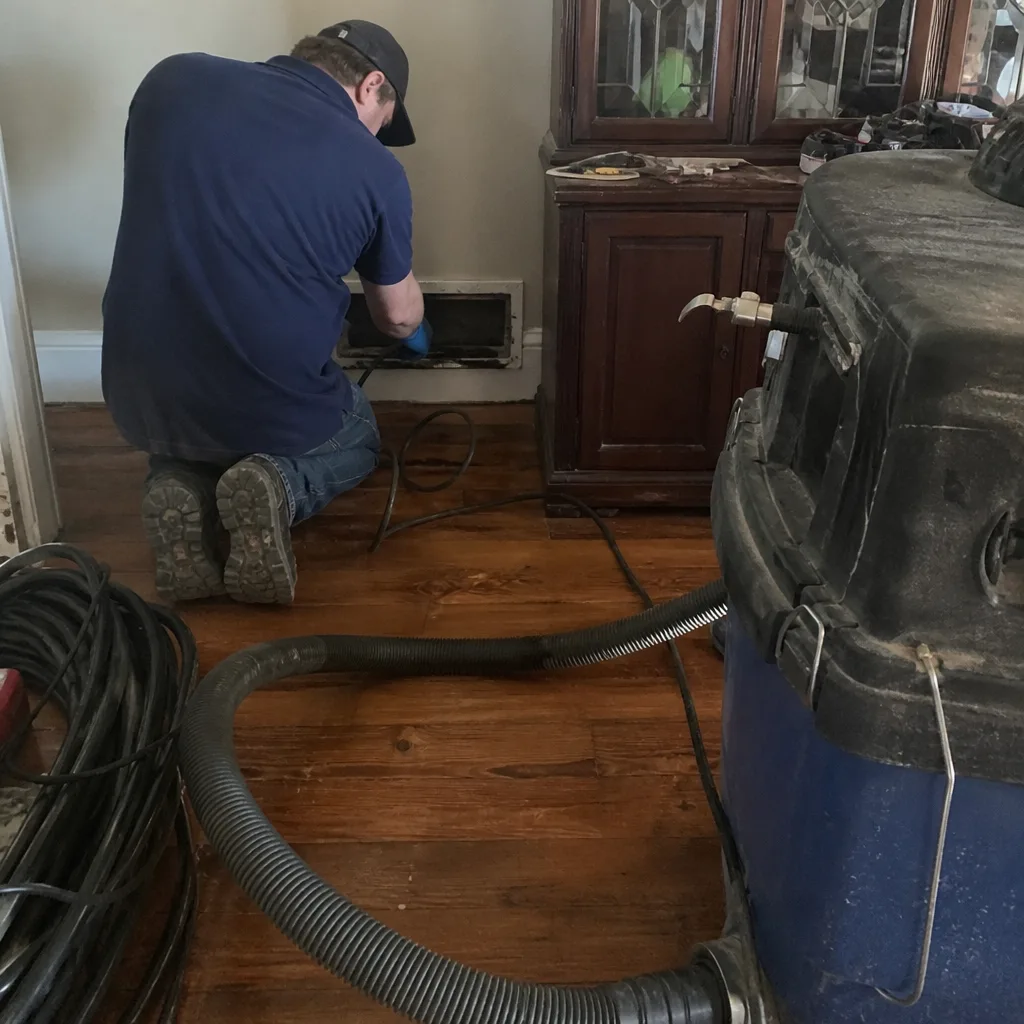 Before
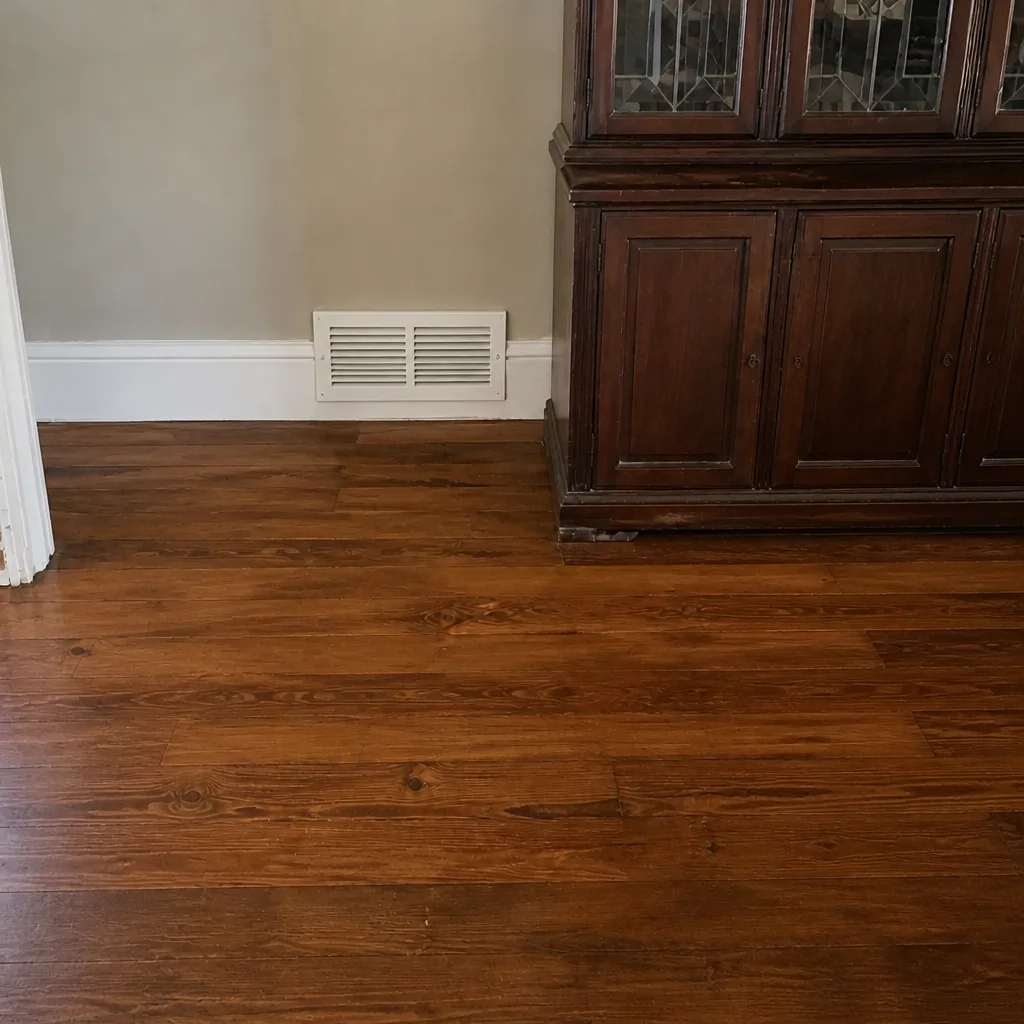 After
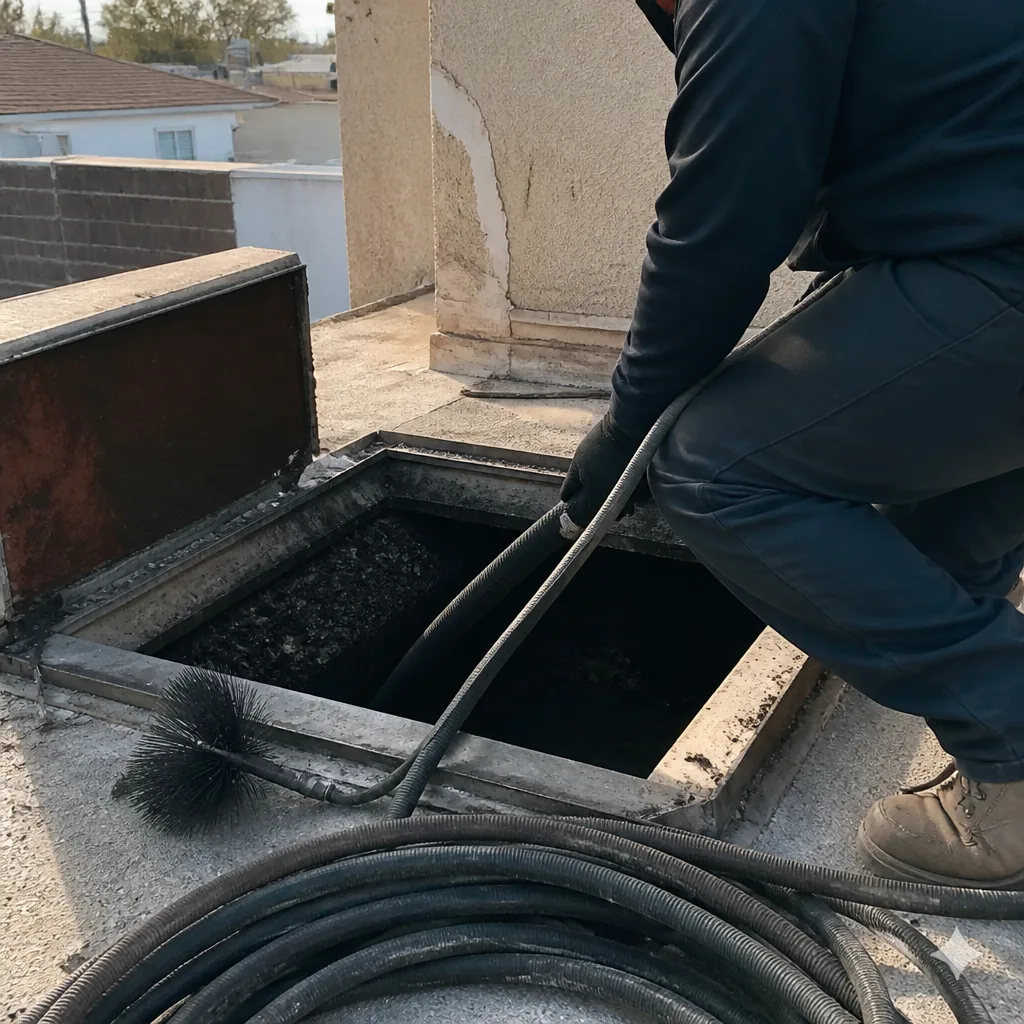 Before
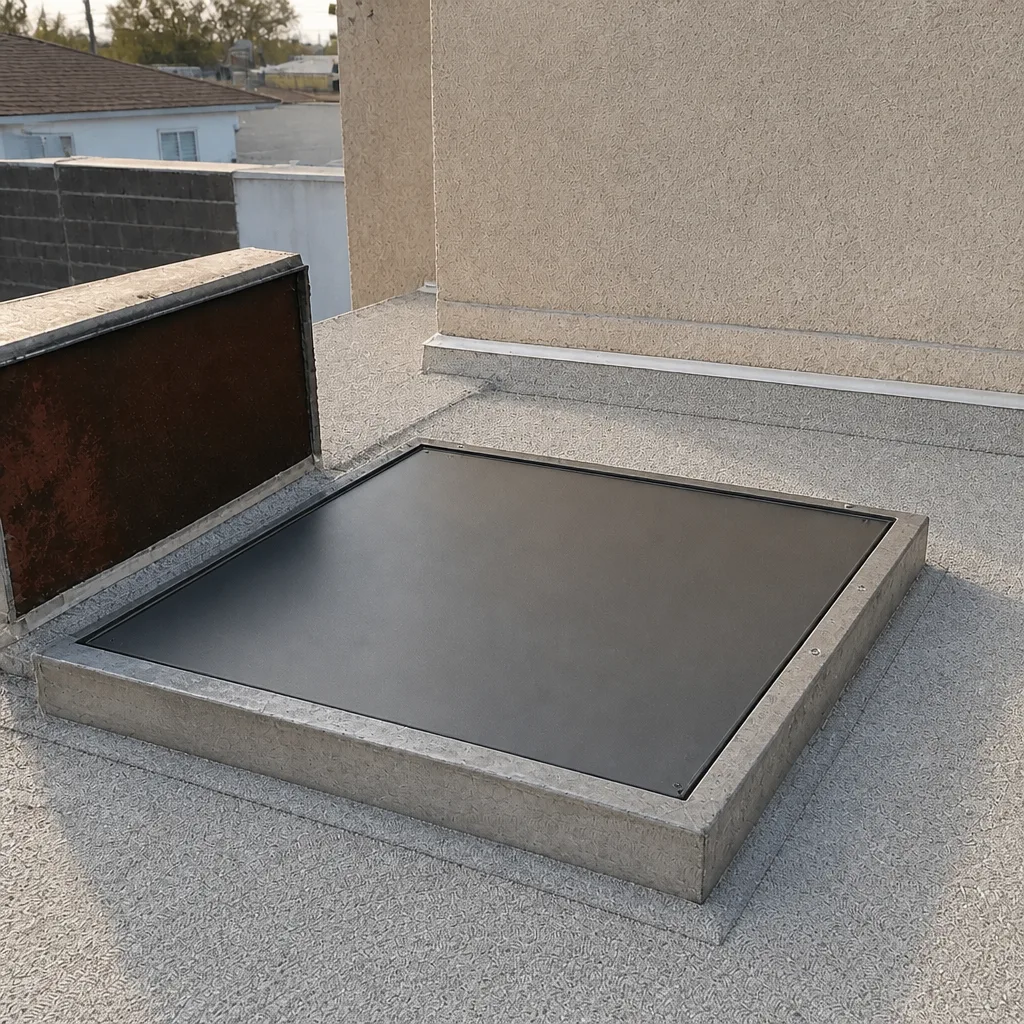 After
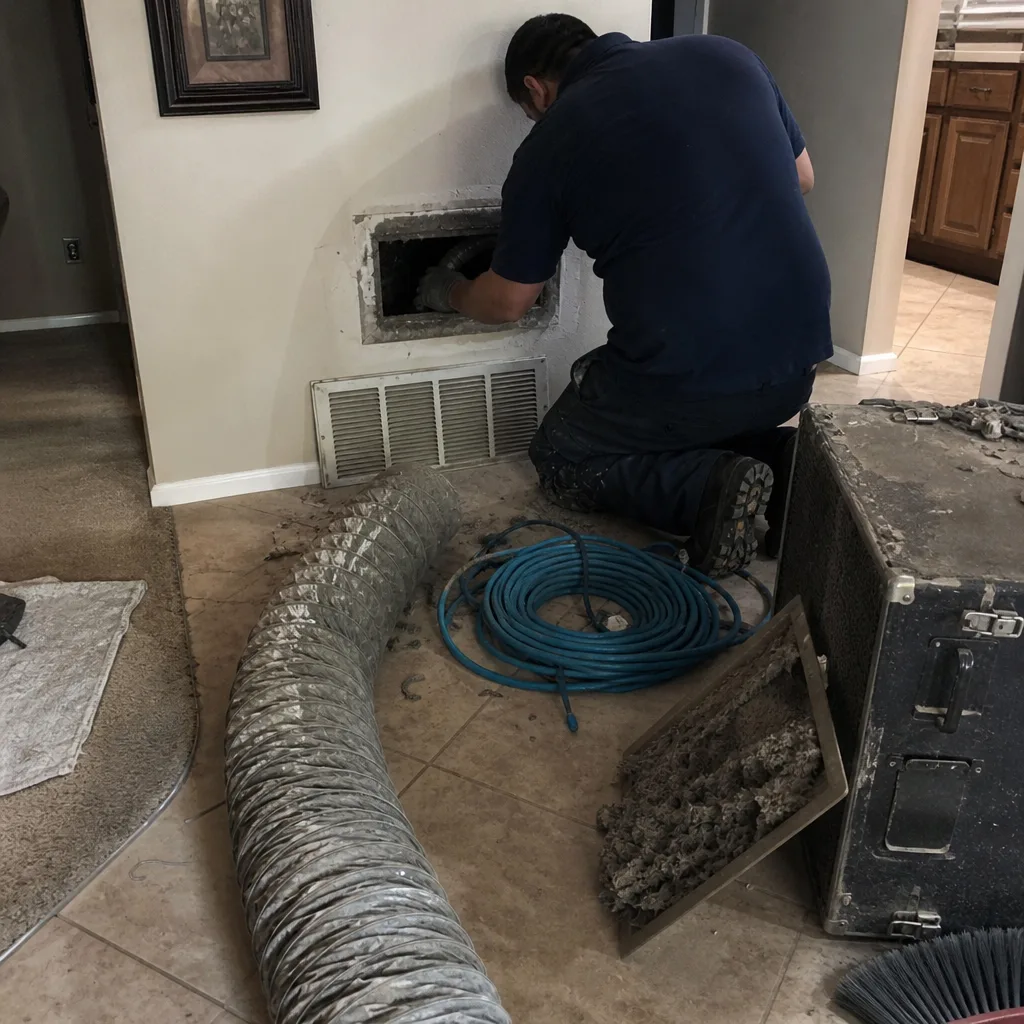 Before
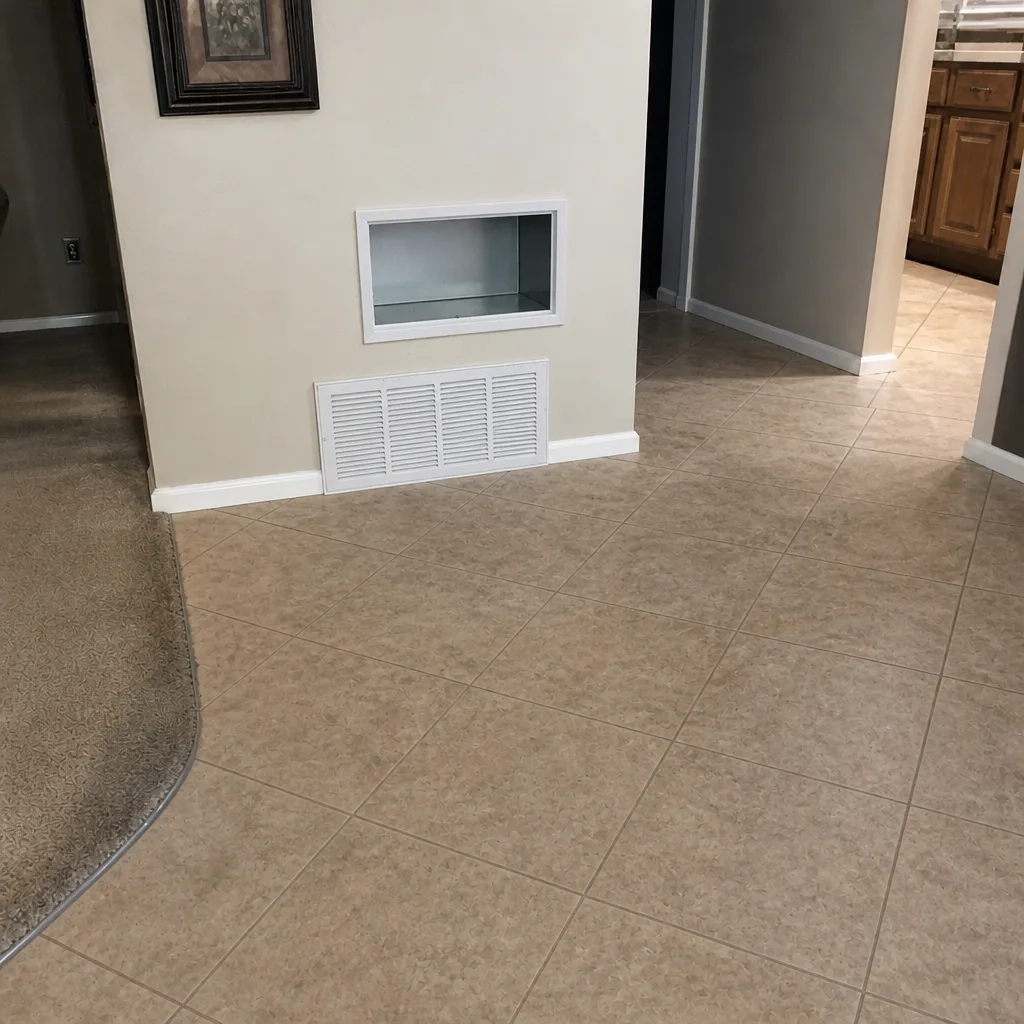 After
When to Call a Professional
Cleaning and repair are different skill sets, but they’re sequential in the real world. A cleaning reveals damage, and the damage needs a repair that complies with North Las Vegas code. That’s exactly the sequence we handle. Our Rotobrush brush system combined with Nikro HEPA extraction pulls debris out of the ducts, and when we find a crushed section, a leaking plenum, or a disconnected branch line, we can repair it correctly. The permit conversation happens before the repair, not after. If you’re in North Las Vegas and want a duct system that’s clean, functional, and properly documented, call us at (866) 942-9753. We answer 24/7. Fast dispatch from 7am to 7pm, Sunday through Friday. Lancaster Duct Cleaning offers free estimates throughout North Las Vegas.
Frequently Asked Questions
No, air duct cleaning in North Las Vegas does not require a permit because the City of North Las Vegas classifies it as maintenance on an existing system, not as an alteration to a regulated mechanical installation. The work involves removing debris from ducts that stay exactly where they are, with no cuts, replacements, or reconfiguration, which puts it outside the permit requirements of the IRC and IMC sections the city adopts.
No, not all duct repair requires a permit. Minor sealing of existing joints with mastic or foil tape is maintenance and doesn’t need one. Replacing a duct section, adding a branch line, modifying the plenum, or changing air handler connections does require a mechanical permit because the system’s physical configuration changes.
If unpermitted duct work is flagged during a home inspection in North Las Vegas, the buyer typically requests the city’s permit history. When nothing shows up, you may need to pull a retroactive permit, pay a higher fee, expose the work for inspection, and potentially redo portions that fail. It can also become a negotiation point that reduces your sale price or kills the deal entirely.
Call the City of North Las Vegas Building Department and describe the exact scope of work: what’s being removed, what’s being installed, and where. They will tell you directly whether a permit is required and what the fee structure looks like. Your contractor should be able to do the same, and if they can’t, that’s a signal to find a different contractor.
The licensed mechanical contractor performing the work is responsible for pulling the permit through the City of North Las Vegas Building Department and scheduling the inspection after the work is complete. A homeowner can pull permits in some situations, but when a licensed contractor is doing the work, the permit should be under their license.
When a repair requires a permit, we manage the permit application and inspection as part of the job. The cost is included in the written estimate. We don’t do unpermitted repair work, and we don’t ask homeowners to navigate the North Las Vegas permit process themselves. Call (866) 942-9753 for a free estimate that includes the full scope of compliant repair work.
The Bottom Line
Air duct cleaning in North Las Vegas is straightforward, unpermitted maintenance. What most homeowners don’t realize is that the same appointment can uncover repair needs that do trigger the city’s mechanical permit process. Knowing the difference between cleaning, sealing, replacement, and modification is what keeps you out of trouble during a future home sale. Ask the permit question before the repair starts. Keep the paperwork when the inspection passes. And if you work with a contractor who avoids the permit conversation entirely, find someone who doesn’t. The air in your home moves through those ducts, and the record of how they were changed should move through the proper channels too.
Written by the team at Lancaster Duct Cleaning, serving North Las Vegas since 2013.