
Last updated November 14, 2026
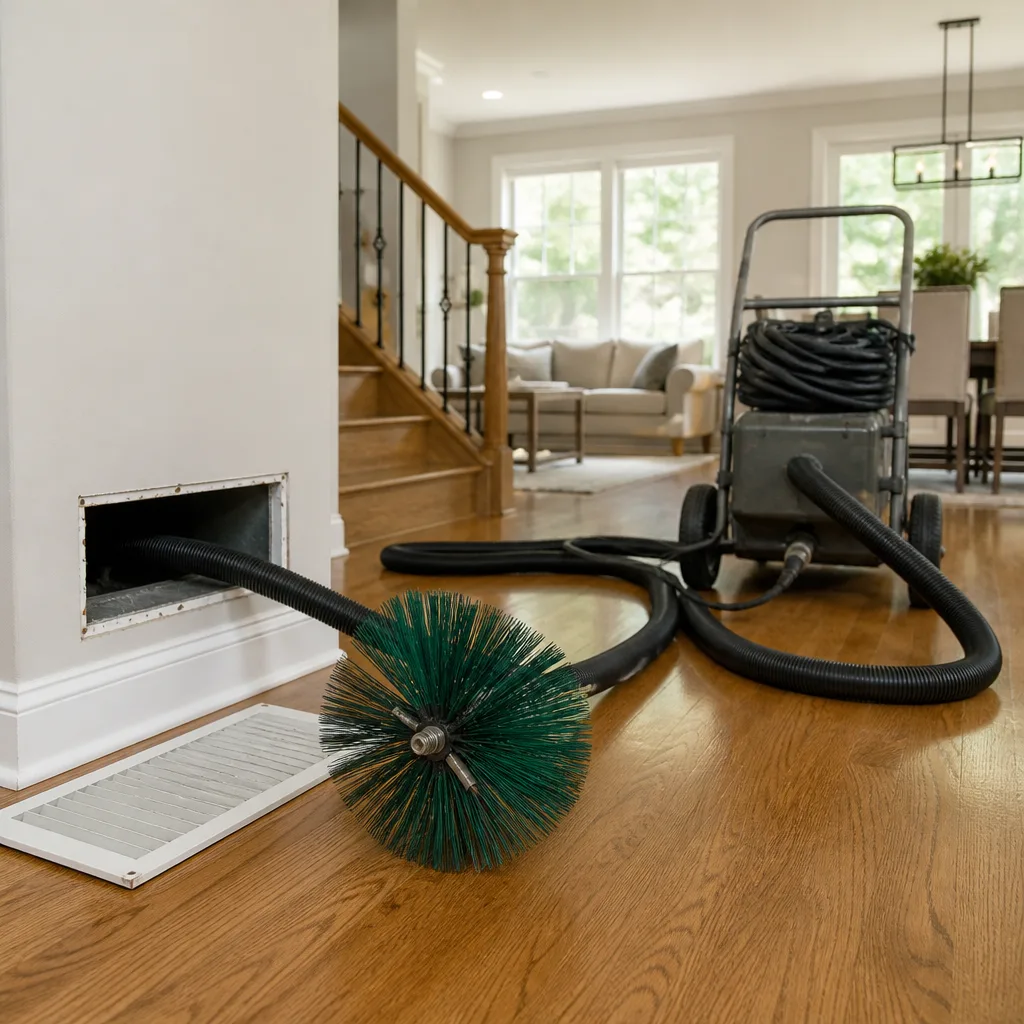 Whole-home duct cleaning
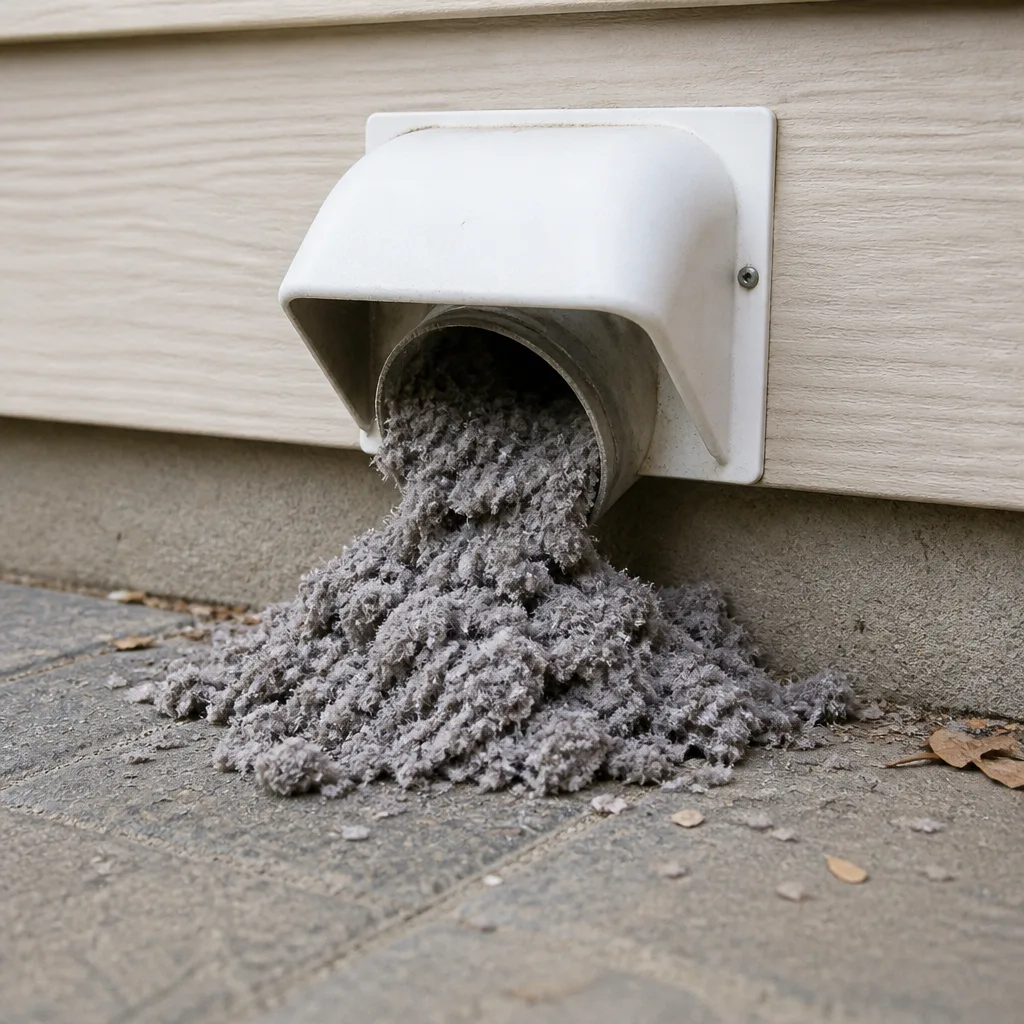 Dryer vent cleaning
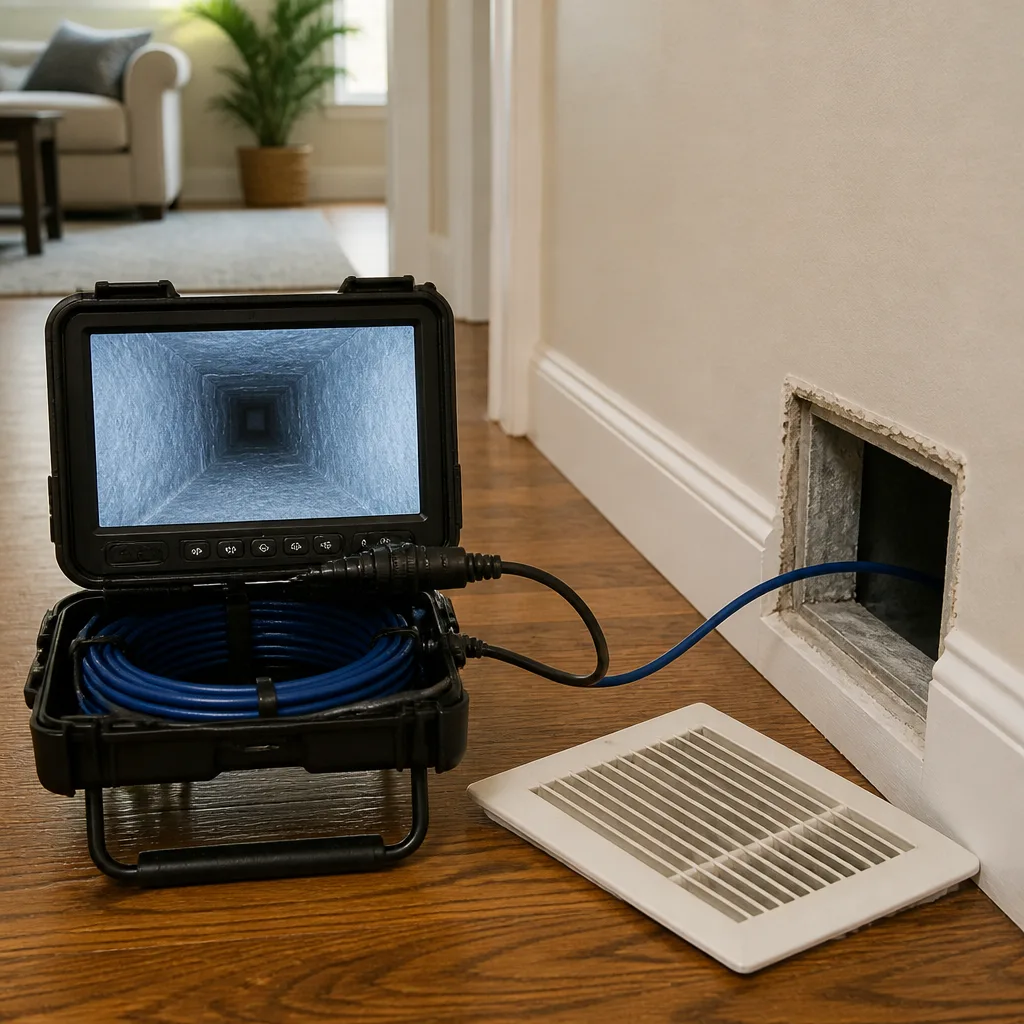 Camera inspection
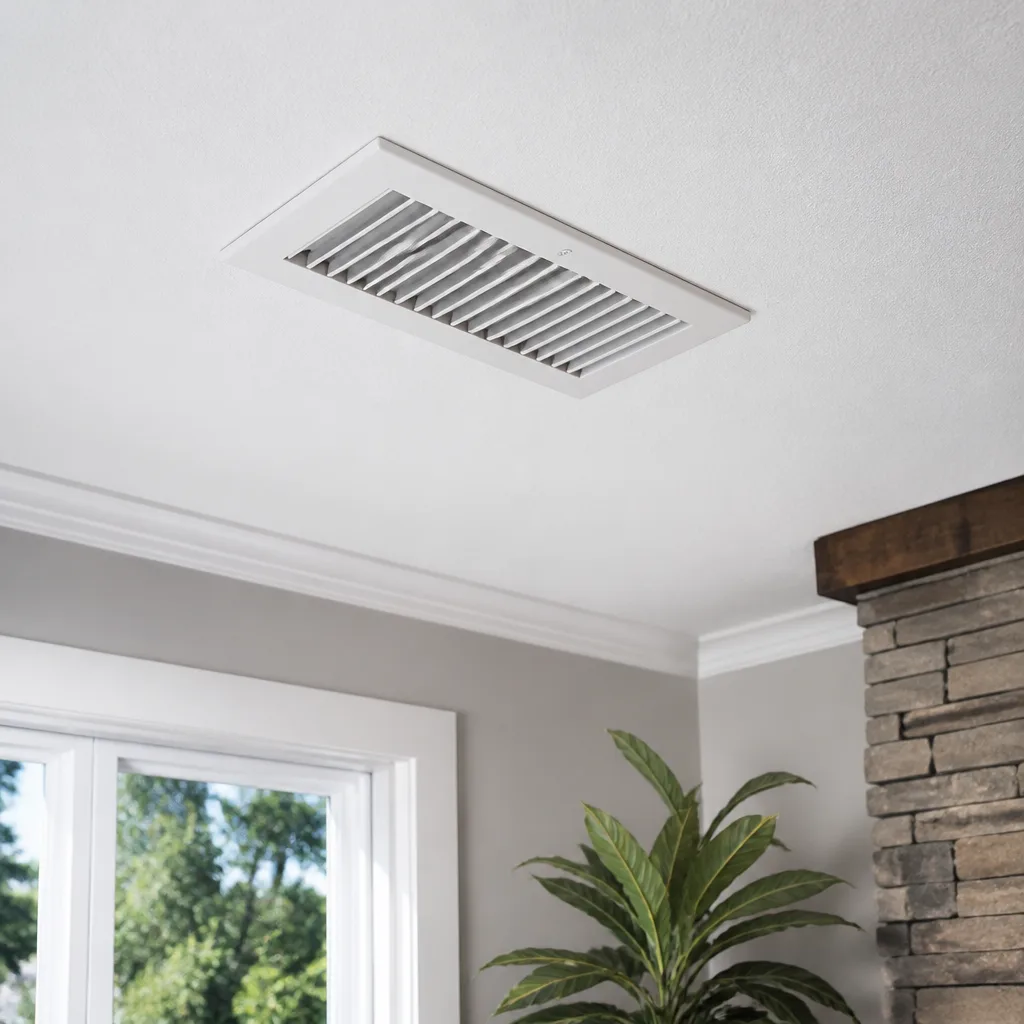 Sanitizing & deodorizing
Whole-system duct and dryer vent check with before-and-after photos - you see exactly what came out of your vents
That "$99 whole-house special" is a bait ad - the real number appears once they are in your hallway, or the "clean" is a shop-vac at the register. We photograph the inside of your ducts before and after instead.
The Complete Guide to Air Duct Cleaning in North Las Vegas
Most homeowners in North Las Vegas don’t have a dust problem. They have a construction-debris-and-caliche-dust problem, and those two contaminants behave completely differently inside ductwork than what generic cleaning guides describe. The fine, alkaline soil here doesn’t just settle in your ducts. It bonds with the condensation film on coils and plenums, creating a cement-like residue that a standard vacuum pass won’t remove. This guide explains what’s actually in your ducts given Clark County’s soil composition, the 2000s build era common to the valley, and the HVAC design patterns repeated across North Las Vegas.
Quick Answer
Air duct cleaning in North Las Vegas typically costs between $450 and $1,100 for a whole-home system, with the price set per job by a written estimate. The process should follow NADCA source-removal methodology: mechanical agitation with a rotating brush paired with HEPA-filtered negative-air extraction, not a simple blowout. Homes in North Las Vegas need this service more often than the national average because caliche soil dust and ongoing construction debris enter returns faster than in humid climates, and many 2000s-era tract homes have undersized returns that concentrate debris quickly.
Styles & brands we work with
- Whole-home duct cleaning
- Dryer vent cleaning
- Camera inspection
- Sanitizing & deodorizing
Table of Contents
- What’s Actually in Your Ducts in North Las Vegas
- How Clark County Soil Changes the Cleaning Process
- Build Era and Duct Design: The 2000s Boom Problem
- Source Removal vs. Blowout: What NADCA Actually Requires
- Hard Water and Coil Contamination: The Overlooked Connection
- When Cleaning Reveals the Real Problem: Repair Signals
- How Often Should You Actually Clean?
- What a Proper Cleaning Looks Like, Step by Step
What’s Actually in Your Ducts in North Las Vegas
If you opened up a return duct in a typical North Las Vegas home tomorrow, you’d find a distinct contamination profile. The first layer is always fine, pale dust. That’s caliche. Clark County sits on some of the most alkaline, fine-particulate soil in the Southwest, and every time a nearby lot gets graded or a monsoon wind kicks up, that dust enters your return air. It’s so fine it passes through standard fiberglass filters without slowing down. The second layer is construction debris: drywall dust, stucco overspray, and wood shavings from the 2000s building boom that never got cleaned out before occupancy. We see this in tract homes across the valley, especially in the newer developments that pushed north of Craig Road over the last two decades. The third layer, in homes with older systems, is a dark, waxy film that forms when caliche dust mixes with the moisture film on the coil and the inside of supply plenums. That film is what makes North Las Vegas duct contamination different from what a humid-climate guide describes. It doesn’t just sit there. It adheres.
Compare that to what a typical national cleaning guide tells you to expect: pet dander, skin cells, fabric fibers. Those are present too, but they’re the minority. The dominant contaminants here are mineral and construction-based. That distinction matters because it changes what cleaning method actually works. A vacuum-only pass removes the loose stuff and leaves the adhered film. A proper source-removal cleaning with mechanical agitation is what breaks that bond.
Air duct cleaning in this climate has to account for soil chemistry, not just debris volume. That’s why we run Rotobrush rotating-brush equipment paired with Nikro HEPA-rated vacuums. The brush physically dislodges the adhered particulate, and the HEPA extraction captures it at the point of agitation. Debris removed, not redistributed.
How Clark County Soil Changes the Cleaning Process
Caliche isn’t ordinary dust. It’s calcium carbonate that precipitates out of the soil when water evaporates, forming a crusty, alkaline deposit. In its loose form, it’s fine enough to stay suspended in your home’s air for days. In your ducts, it accumulates at returns and at the first bend past the filter box, even in systems with regular filter changes. Over time, the alkaline nature of the dust slightly etches the inside of galvanized duct runs, especially in older North Las Vegas homes that predate the 2000s boom. That mild etching creates surface roughness that traps more dust. It’s a slow feedback loop.
So what does this mean for the cleaning process? Three things.
- Passive vacuuming won’t cut it. The dust bonds to duct walls through static adhesion and the calcium carbonate’s chemical affinity for metal. You need mechanical contact: a stiff-bristled rotating brush that actually scrapes the interior surface.
- Containment matters more here than in humid climates. Because the dust is so fine, it floats. A cleaning without proper negative-air containment sends a plume of calcium carbonate through your home. That’s why we use Abatement Technologies containment equipment. It’s the same negative-air-pressure approach used in professional remediation work, applied to your home’s ductwork.
- Post-cleaning filter replacement is not optional. Your existing filter is already saturated with the same fine dust. Running the system after a cleaning with a clogged filter just re-contaminates the coil within days.
The containment approach used in professional abatement, applied to your home’s ductwork, is the real difference between a three-hour job that leaves your home cleaner than the crew found it and a two-hour job that redistributes dust from the ducts to the living spaces.
Build Era and Duct Design: The 2000s Boom Problem
North Las Vegas grew explosively between 2000 and 2008. Thousands of tract homes went up fast, many in master-planned communities along the 215 corridor and north toward Aliante. The construction timeline favored speed, and the HVAC design reflected it: flexible duct runs stretched to their maximum rated length, single returns instead of multiple returns, and trunk lines sized at the bare minimum for the square footage. The result is a system that works, but runs right at the edge of its design envelope. And when a system runs at the edge, debris accumulates faster than the builder’s manual suggests.
Here’s what we see in these homes specifically.
- Undersized returns. A single central return in a hallway competes with every closed bedroom door. When doors close, return air finds its way through the gap under the door, and velocity through the return grille goes up. Higher velocity means more dust pulled into the return, more turbulence at the filter, and more bypass around the filter edges.
- Extended flex runs. Manufacturers rate flex duct for performance at certain lengths and bends. The 2000s tract home standard pushed those limits. Sagging sections, collapsed inner liners, and restricted airflow are common, and each restricted section becomes a low-velocity zone where dust settles instead of passing through.
- Construction debris left in place. Drywall dust from the build sits in returns and supply boots. The builder’s final clean rarely includes duct interiors. That debris stays there until someone actively removes it.
If you own a North Las Vegas home built between 2000 and 2008, your ducts likely need closer attention than the same square footage in an older or newer build. The undersized return problem is so common that we routinely find filter boxes our clients didn’t know were the wrong size for their tonnage. Sometimes the right move is a repair, not a cleaning.
Source Removal vs. Blowout: What NADCA Actually Requires
NADCA, the National Air Duct Cleaners Association, sets the standard for professional duct cleaning. The methodology it requires is called source removal. The idea is simple: physically dislodge debris from duct surfaces and extract it from the system, so that contaminants actually leave the building. It sounds obvious, but a surprising number of services advertised as duct cleaning don’t do this at all.
The alternative is a blowout. A technician connects a high-pressure air line to the system and blows air through the ducts while running a shop-style vacuum at the return. It knocks some loose dust around, gets a visible cloud moving, and captures a fraction of what’s dislodged. The rest of the fine particulate either settles back into the duct runs or circulates into the living space. In North Las Vegas, with our extremely fine caliche dust, a blowout can make indoor air quality worse for days.
What source removal actually involves:
- Negative air pressure. A HEPA-filtered vacuum unit is connected to the system to create continuous negative pressure, so dust is drawn toward extraction points, not pushed into rooms.
- Mechanical agitation. A rotating brush system physically contacts the interior of each duct run. This is what breaks the adhered dust film. In our case, that’s Rotobrush equipment.
- Point-of-contact extraction. The brush and vacuum work together at the same location, so dislodged debris is captured immediately. Nikro HEPA units do that extraction work for us.
- Containment isolation. Supply and return openings are sealed during the process, with access cut where needed. Abatement Technologies containment gear prevents cross-contamination between rooms.
- System inspection. After cleaning, the full system gets a visual inspection, including coil and blower, to confirm source removal was complete and identify any damage the cleaning revealed.
If a quote sounds too cheap to involve this level of equipment and labor, it’s probably a blowout. The lab coat and the truck wrap don’t change what’s happening inside the system.
Hard Water and Coil Contamination: The Overlooked Connection
North Las Vegas has hard water. Very hard. The municipal supply runs high in calcium and magnesium, and those minerals deposit on every surface water touches. Your evaporator coil is no exception. As condensation forms on the coil during the cooling season, the water evaporates and leaves behind a mineral residue. That residue creates a microscopically rough surface. Dust sticks to it more readily. Organic matter that lands on the coil finds enough moisture to support microbial growth, even in our dry climate, because the coil’s condensation cycle creates a persistent micro-humidity zone.
Why does this matter for duct cleaning? Because the coil sits directly adjacent to the supply side of your ductwork. A contaminated coil sheds particles into the air stream every time the blower runs, re-contaminating cleaned ducts within weeks. If you clean the ducts but ignore the coil condition, you’re solving half the problem.
We don’t perform coil cleaning as a standalone service, but we inspect the coil as part of every duct cleaning and flag what we find. In homes with Aprilaire or Honeywell filtration and humidity management systems installed, the coil story is usually different. Those systems reduce the particulate load reaching the coil in the first place, and the humidity control changes the condensation cycle. We’re familiar with both those platforms, which lets us contextualize your duct condition against the whole indoor air picture, not just quote a cleaning price. If you run a Honeywell whole-home filter, for example, the pre-coil particulate load drops significantly. If you run an Aprilaire humidifier without proper maintenance, you’re adding moisture to a system that already struggles with hard water scale.
When Cleaning Reveals the Real Problem: Repair Signals
One of the things that sets a focused duct specialist apart from a maintenance-only cleaning service is what happens when the cleaning finds damage. Most duct cleaning companies don’t repair anything. They clean, they leave, and if they find a collapsed flex run or a disconnected boot, they tell you to call an HVAC contractor. Then you’re scheduling a second visit from a second company, paying a second dispatch fee, and explaining the problem twice.
We clean and repair, one call, one specialist, no second contractor needed. Lancaster Duct Cleaning offers dryer vent cleaning and air duct repair as named services alongside the cleaning itself. The repair capability matters because certain conditions only become visible during an active cleaning. Here are the signals that tell us a system needs sealing, not just vacuuming:
- Visible light through duct seams. When the negative-air system runs, you can sometimes see dust being pulled in through gaps that should be sealed. That’s a leak, and it means your system is pulling attic or crawl space air into the conditioned airstream.
- A torn or collapsed flex run. The inner liner of a flex duct can separate while the outer insulation looks fine from the outside. The only way to confirm is to inspect the interior, which a cleaning already involves.
- Disconnected boots. The connection between the duct trunk and the register boot comes loose over time, especially in 2000s builds where the original install used foil tape that degrades. A disconnected boot means a portion of your conditioned air is blowing into the attic instead of the room.
- Restricted airflow in specific rooms. If one bedroom runs five degrees warmer than the rest of the house and the damper is open, the problem is usually a duct restriction, not the thermostat. The cleaning process exposes the restriction.
Air duct repair is not a general HVAC service we’ve bolted on. It’s the same system, the same access points, and the same inspection. Fixing a leaky section during a cleaning makes the cleaning last longer and saves the cost of a separate service call.
How Often Should You Actually Clean?
The standard national guidance says every three to five years. For most North Las Vegas homes, that’s a reasonable baseline, but it needs adjustment based on a few local factors. Homes within a half-mile of active construction should consider annual or biennial cleanings, because grading dust doesn’t respect property lines and our caliche particulate is so fine it defeats standard filtration. Homes with multiple pets on carpet should lean toward three years maximum. Homes with upgraded filtration, like a Honeywell whole-home media filter, can stretch toward the five-year mark. The return on a cleaning isn’t just about dust volume. A clean system runs more efficiently, which matters in a climate where the AC runs from May through September. The blower doesn’t work as hard against a clean coil and unrestricted duct runs.
That said, don’t let a schedule override your own observation. Walk through your house right now. Look at the return grilles. If there’s a visible dust shadow on the wall around the return, the system is pulling more than it can filter. If you see dust on supply registers within days of dusting, the ducts are the source. If the air smells dusty when the system first kicks on, that’s the accumulated film in the supply plenum. These are all signals it’s time to call. And remember, the homes that need it most are the ones where it’s been forgotten the longest.
What a Proper Cleaning Looks Like, Step by Step
Understanding the process before you hire anyone is the best defense against paying for a blowout. A proper source-removal cleaning in a North Las Vegas home follows a repeatable sequence. Here’s what it looks like from the technician’s perspective:
- System assessment. The technician inspects the layout, counts the returns and supplies, checks the filter and coil condition, and identifies access points. This is done before any equipment comes off the truck.
- Containment setup. Supply and return openings are sealed, with the negative-air extraction unit connected to the trunk. Abatement Technologies containment gear ensures the living space stays isolated from the duct interiors.
- Access cutting. Small access points are cut into the duct trunk at strategic locations. These are sealed with removable caps after the job, not left open.
- Mechanical agitation. The Rotobrush system is run through each duct run, supply and return. The rotating brush physically dislodges adhered particulate, including the caliche film that passive vacuuming leaves behind.
- HEPA extraction. The Nikro vacuum unit runs continuously during agitation, pulling dislodged material out of the system at the point of contact. Debris removed, not redistributed.
- Component cleaning. The coil, blower, and plenums are cleaned as part of the same process. In our climate, the coil is usually the second-most contaminated component after the returns.
- Final inspection. A visual inspection of the full system confirms source removal is complete and flags any damage requiring repair. This is the step where a torn flex run or a loose boot gets identified.
- Access sealing and cleanup. Access points are capped and sealed, containment is removed, and the work area is returned to its original condition.
The whole process takes several hours for a typical 2,000-square-foot North Las Vegas home. Anyone offering to do it in 45 minutes is not doing source removal. They’re doing a blowout with a cheerful name. For North Las Vegas homeowners, that distinction is the difference between a system that stays clean for three years and one that recirculates caliche dust by the following week.
Common Mistakes to Avoid
- Falling for the $99 whole-house coupon. That price cannot cover the equipment and labor a source-removal cleaning requires. What it usually covers is an entry point to upsell, or a blowout that leaves more dust airborne than it removes.
- Skipping filter replacement after the cleaning. A clean system with a saturated filter re-contaminates the coil within days. The filter is the cheapest part of the whole equation.
- Assuming a new build doesn’t need cleaning. North Las Vegas homes built in the 2000s boom frequently contain drywall dust and stucco debris from construction, sealed in before move-in. Age is not the same as cleanliness.
- Hiring a generalist who treats ducts as a side job. An HVAC company that offers duct cleaning as a seasonal add-on doesn’t invest in the same containment equipment as a focused specialist. The service is a line item, not a discipline.
- Ignoring the dryer vent while you’re at it. Lint buildup in dryer vents is a residential fire hazard and a drying-efficiency problem. It needs separate equipment and attention, not a quick pass with the same duct brush. We offer dryer vent cleaning as its own dedicated service for exactly this reason.
- Accepting a quote without a written estimate. The price should be set per job by the written estimate, not inflated after the van arrives. One flat price per system, agreed before work starts, is the standard you should demand.
See the difference
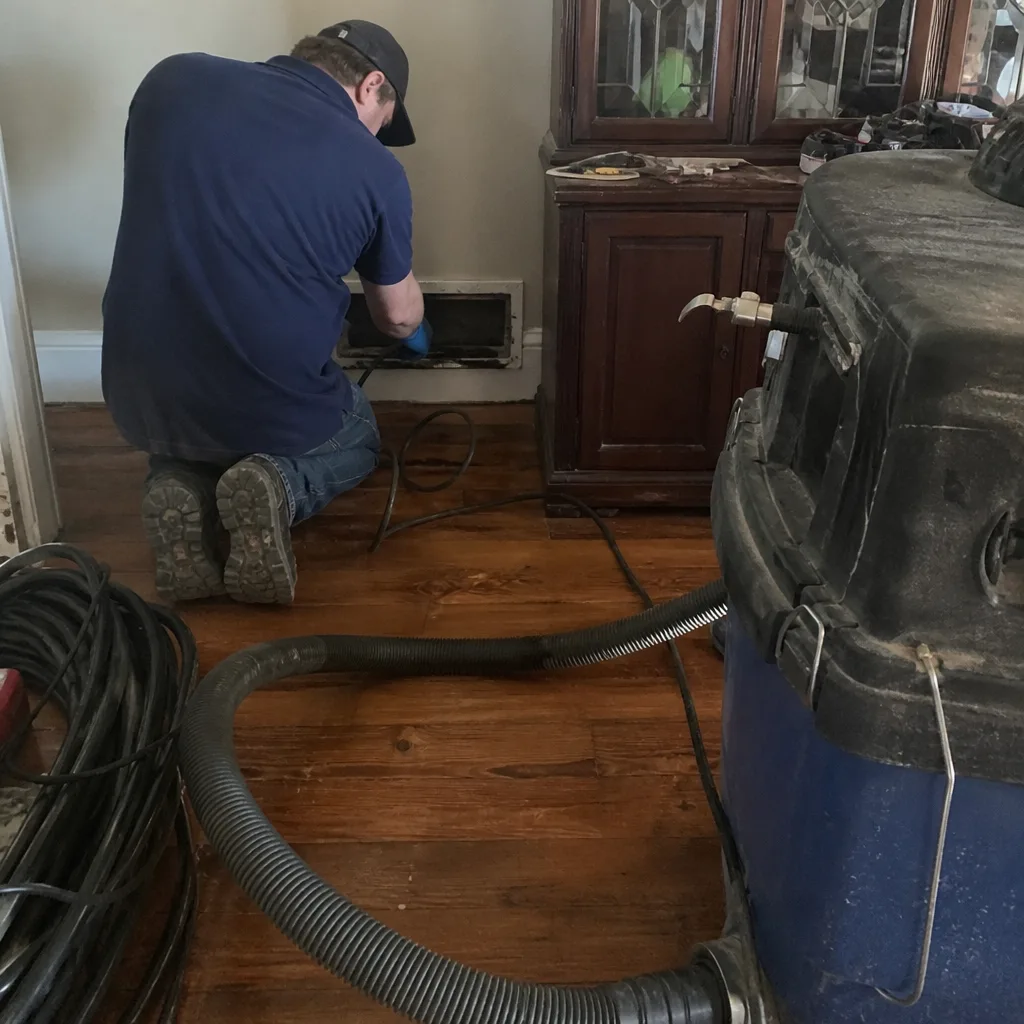 Before
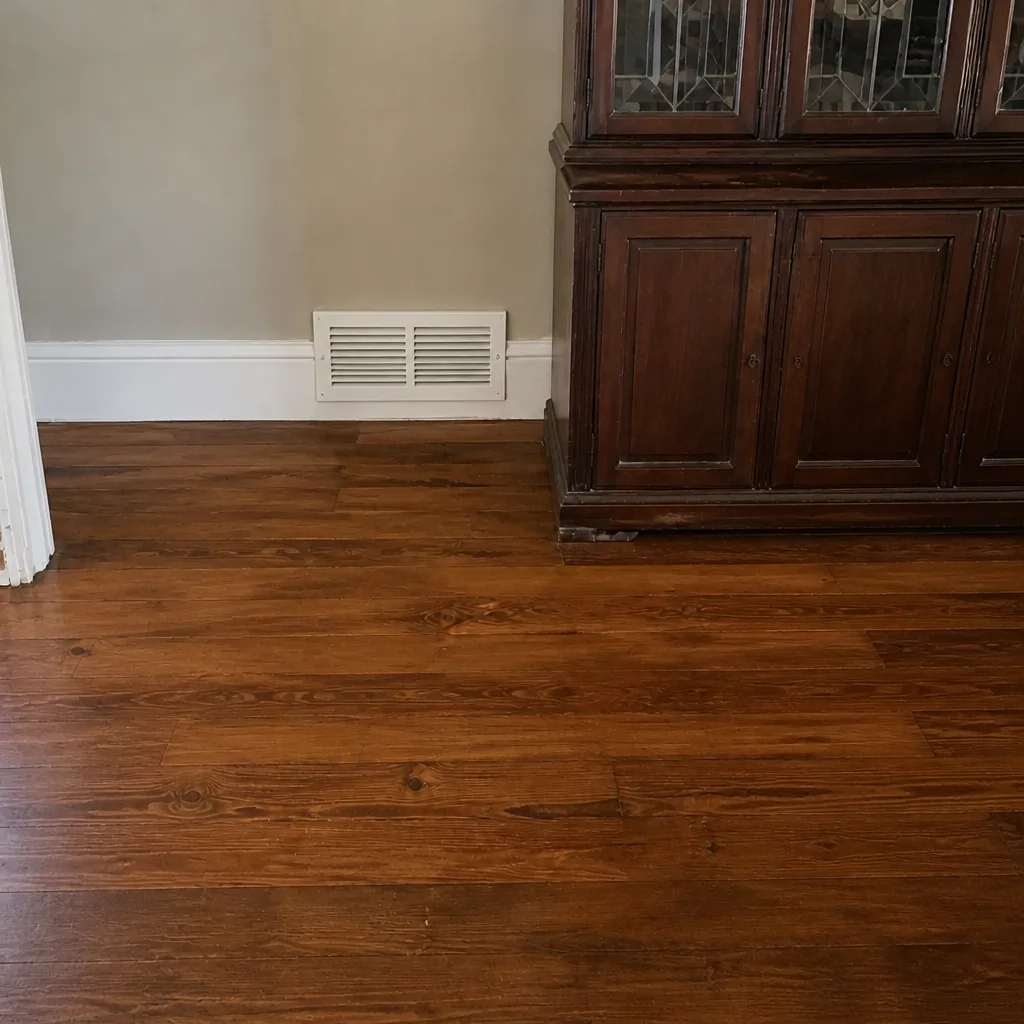 After
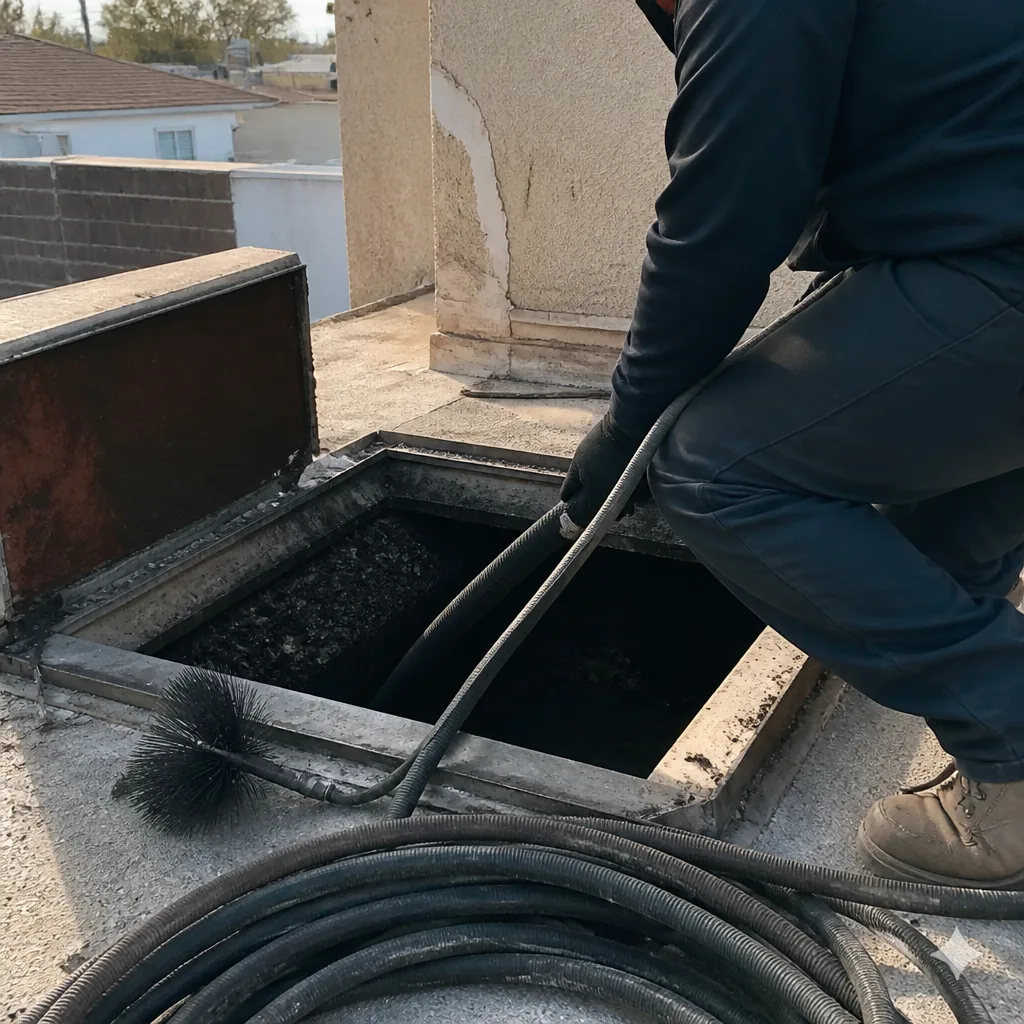 Before
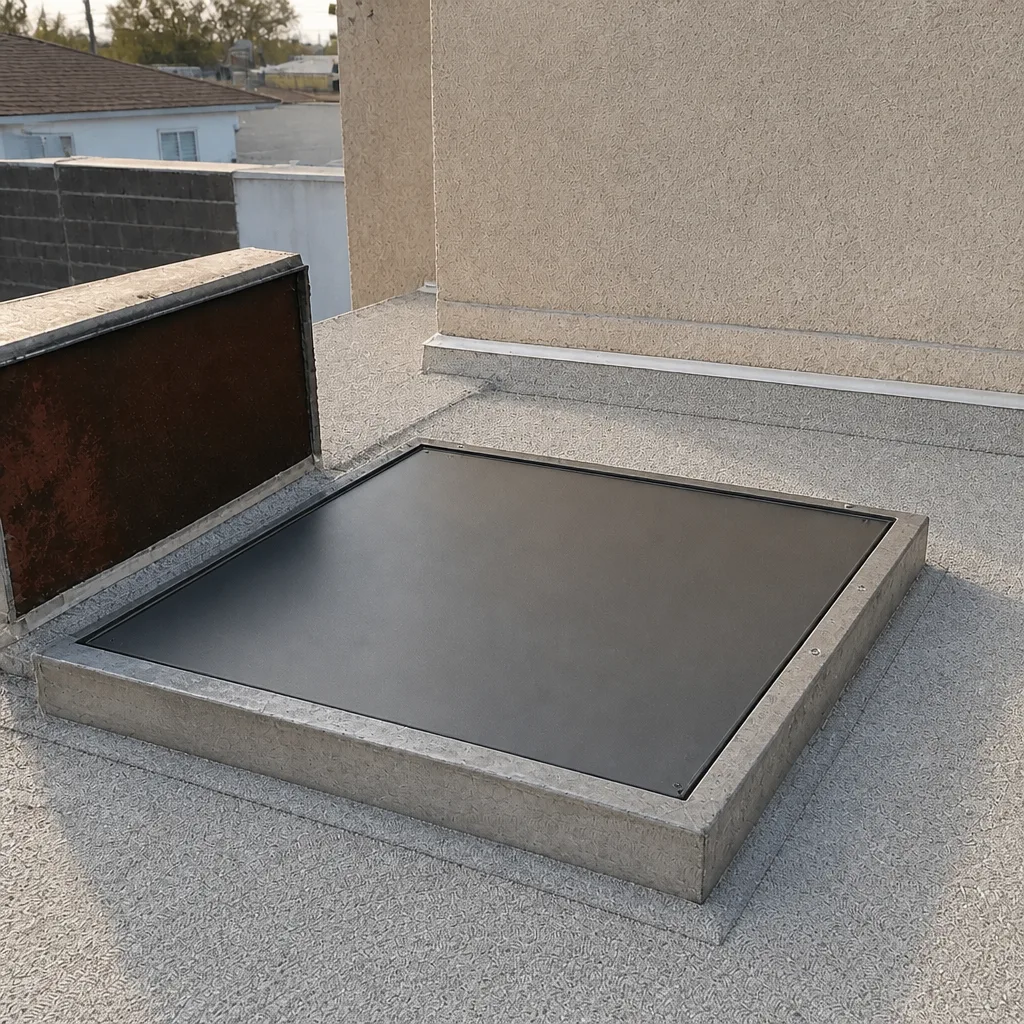 After
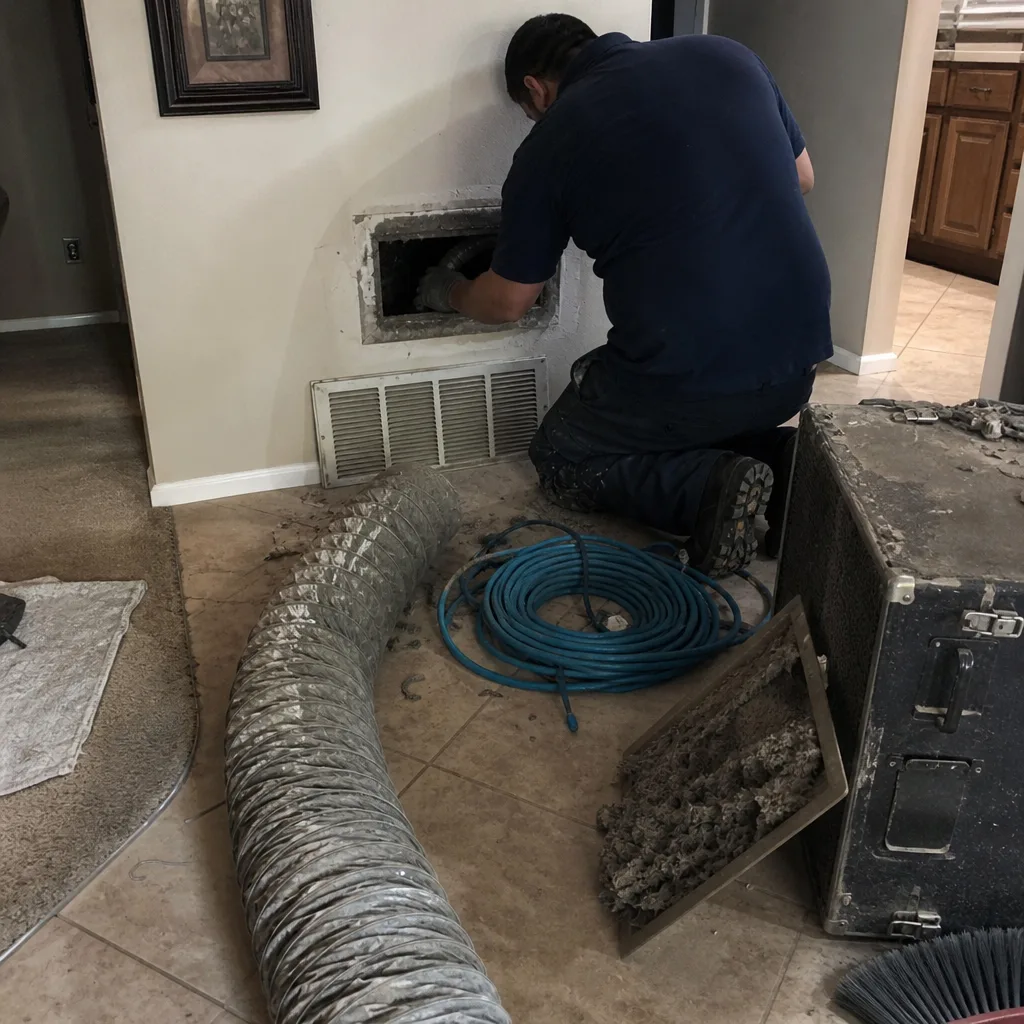 Before
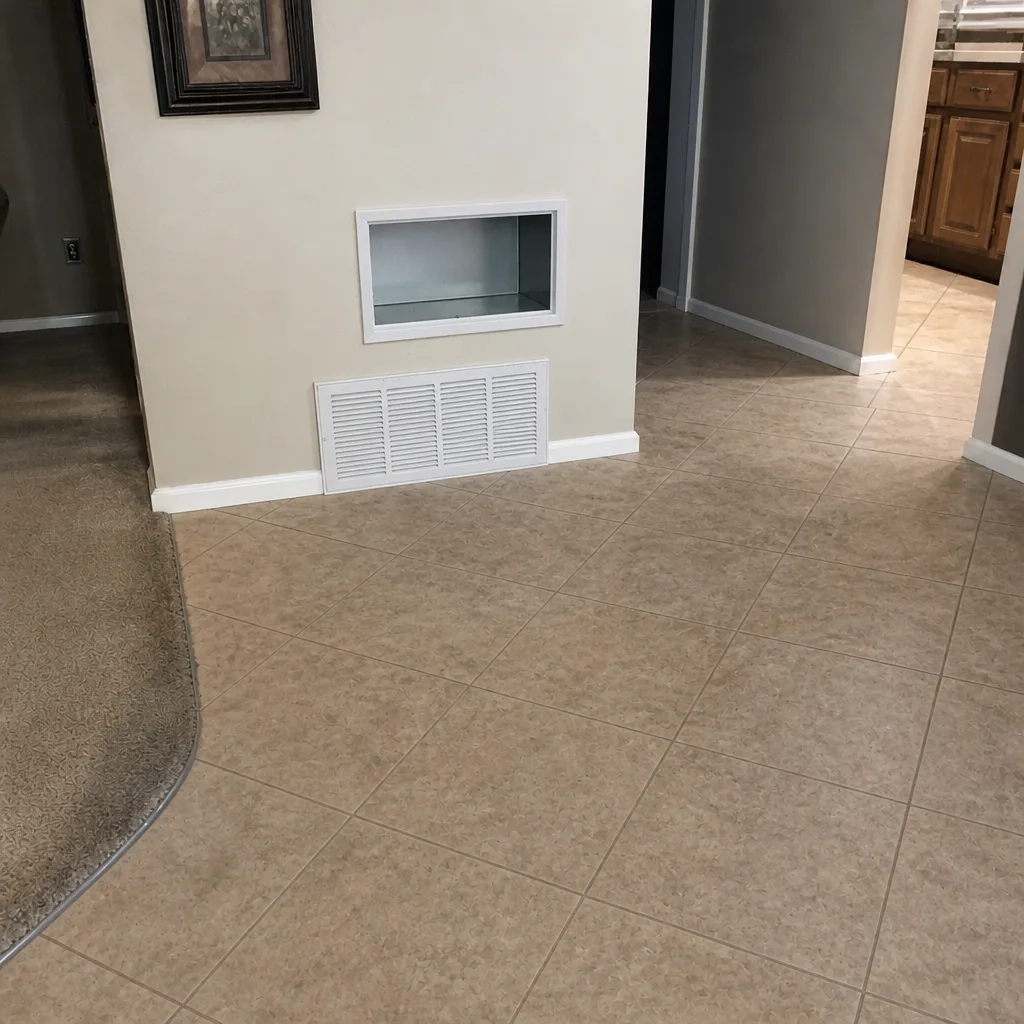 After
When to Call a Professional
Call a professional when you see persistent dust on surfaces within days of cleaning, when the return grilles have a visible dust shadow, or when the system smells dusty at startup. Call when one room runs noticeably warmer than the rest of the house and you’ve already checked the damper. Call after any renovation, even a small one, because drywall dust travels through returns faster than most people expect. And call if you’ve owned your North Las Vegas home for more than three years and you’ve never had anyone actually look inside the ducts. Lancaster Duct Cleaning offers free estimates in North Las Vegas. Call (866) 942-9753. We answer 24/7. Fast dispatch from 7am to 7pm, Sunday through Friday.
Frequently Asked Questions
Whole-home air duct cleaning in North Las Vegas typically costs between $450 and $1,100, with the final price set per job by a written estimate. The range varies based on the number of returns and supplies, the length of duct runs, the condition of the system, and whether the coil and blower need attention. Call (866) 942-9753 for an exact quote, estimates are free.
Cheap quotes usually describe a blowout service, not source removal. A blowout uses compressed air to push dust around while a shop-style vacuum captures a fraction of it. In North Las Vegas, where caliche dust is fine enough to stay airborne for days, a blowout can make indoor air quality worse instead of better. Source removal with mechanical agitation and HEPA negative-air extraction costs more because it’s a completely different process involving different equipment.
Ask for a visual inspection report and before-and-after photos of the duct interiors. A professional source-removal cleaning includes a final inspection that documents the condition of the coil, blower, and duct runs after the work is complete. The access points should be capped and sealed, and the system should run noticeably quieter at startup. For your own ducts, walk around and look at the supply registers after the job. New dust appearing within days is a red flag.
Yes, for the specific contaminants common here. The calcium carbonate dust from Clark County’s caliche soil is an irritant for many people, and construction debris from the 2000s build era contains drywall dust and stucco particles that can trigger respiratory sensitivity. Removing the accumulated particulate from the duct system reduces the volume of those specific irritants recirculating through the home. It’s not a medical treatment, but it changes the airborne load.
Dryer vents should be cleaned every one to two years for most households, more often if the home has multiple pets or the dryer vent run is long or has multiple bends. Lint accumulates regardless of climate, and the dry desert air here actually makes the lint more flammable. A dedicated dryer vent cleaning addresses a leading residential fire hazard, it’s not an add-on afterthought.
Duct cleaning removes accumulated debris from the interior of the system. Duct repair fixes structural problems: leaky seams, disconnected boots, torn flex runs, collapsed sections, and undersized returns. Many homes need both, because the cleaning process reveals damage that’s invisible from the outside. Most cleaning-only companies stop at the vacuum. We clean and repair, one call, one specialist, no second contractor needed. Call (866) 942-9753 for a free estimate.
The Bottom Line
North Las Vegas homes face a duct contamination profile that generic cleaning guides don’t address. Caliche soil dust bonds to duct surfaces in ways that passive vacuuming can’t remove. Construction debris from the 2000s boom sits in returns and supply boots, sealed in before move-in. Undersized returns and extended flex runs trap debris faster than the builder’s manual suggests. And the connection between hard water scale on the coil and re-contamination of cleaned ducts is routinely overlooked by companies that only clean. What separates a real solution from a blowout is methodology: source removal with rotating-brush agitation and HEPA negative-air extraction, applied by a specialist who can also repair what the cleaning reveals. The ducts in your North Las Vegas home are a system, not a void. Treat them that way.
Written by the team at Lancaster Duct Cleaning, serving North Las Vegas since 2013.