
Last updated November 14, 2026
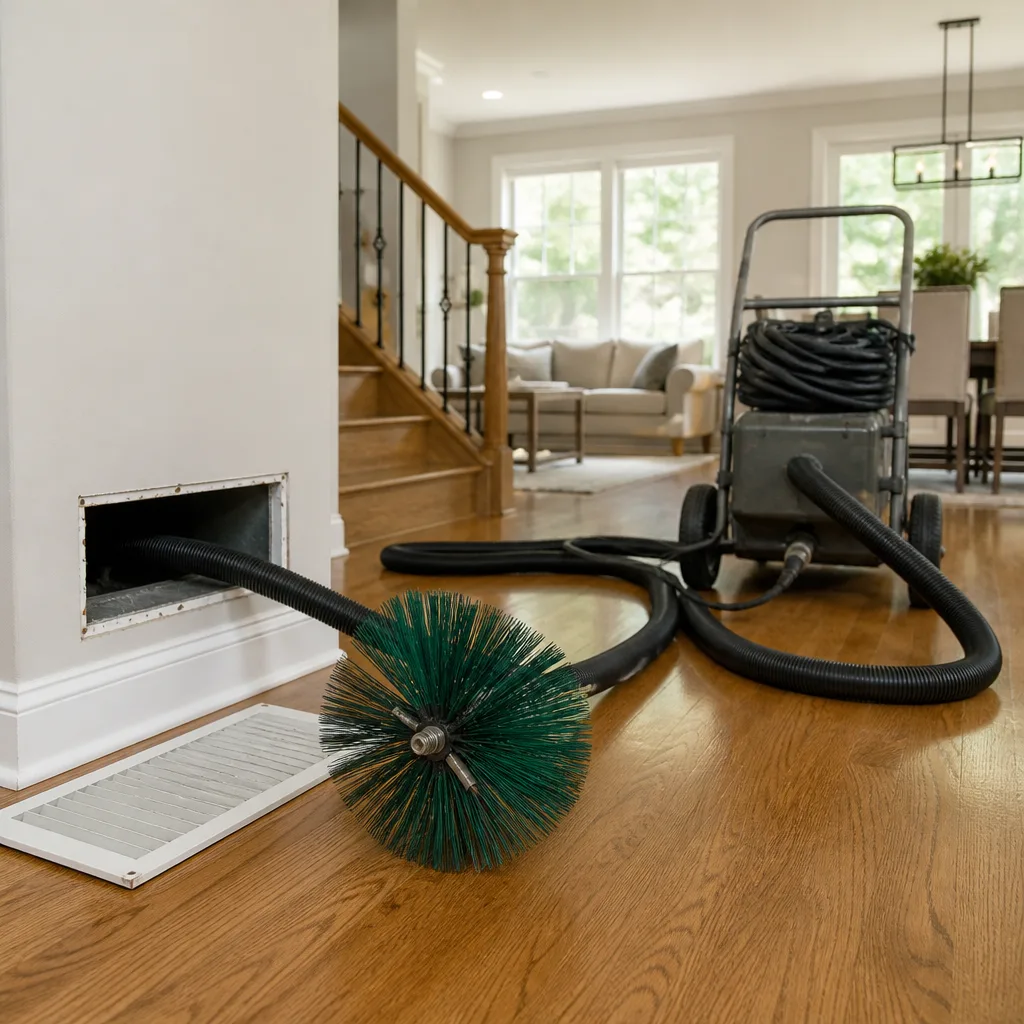 Whole-home duct cleaning
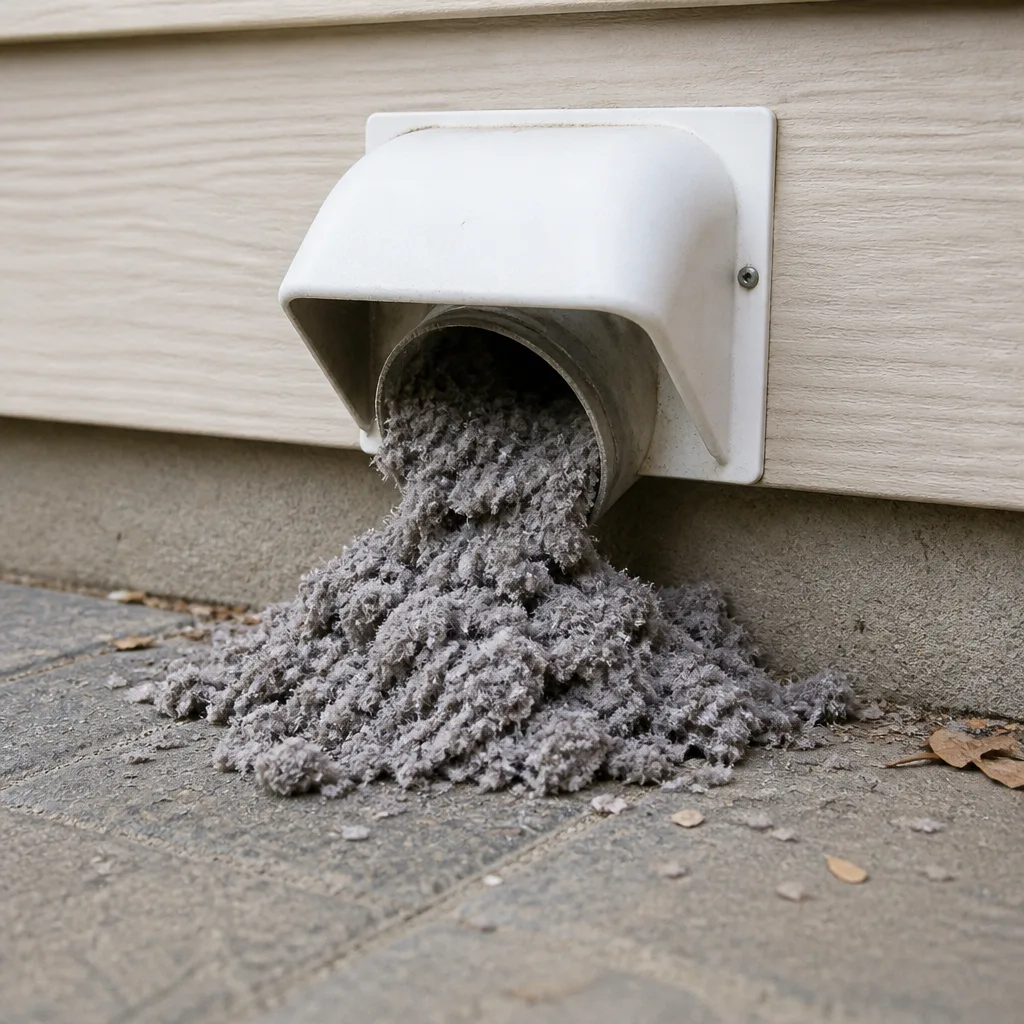 Dryer vent cleaning
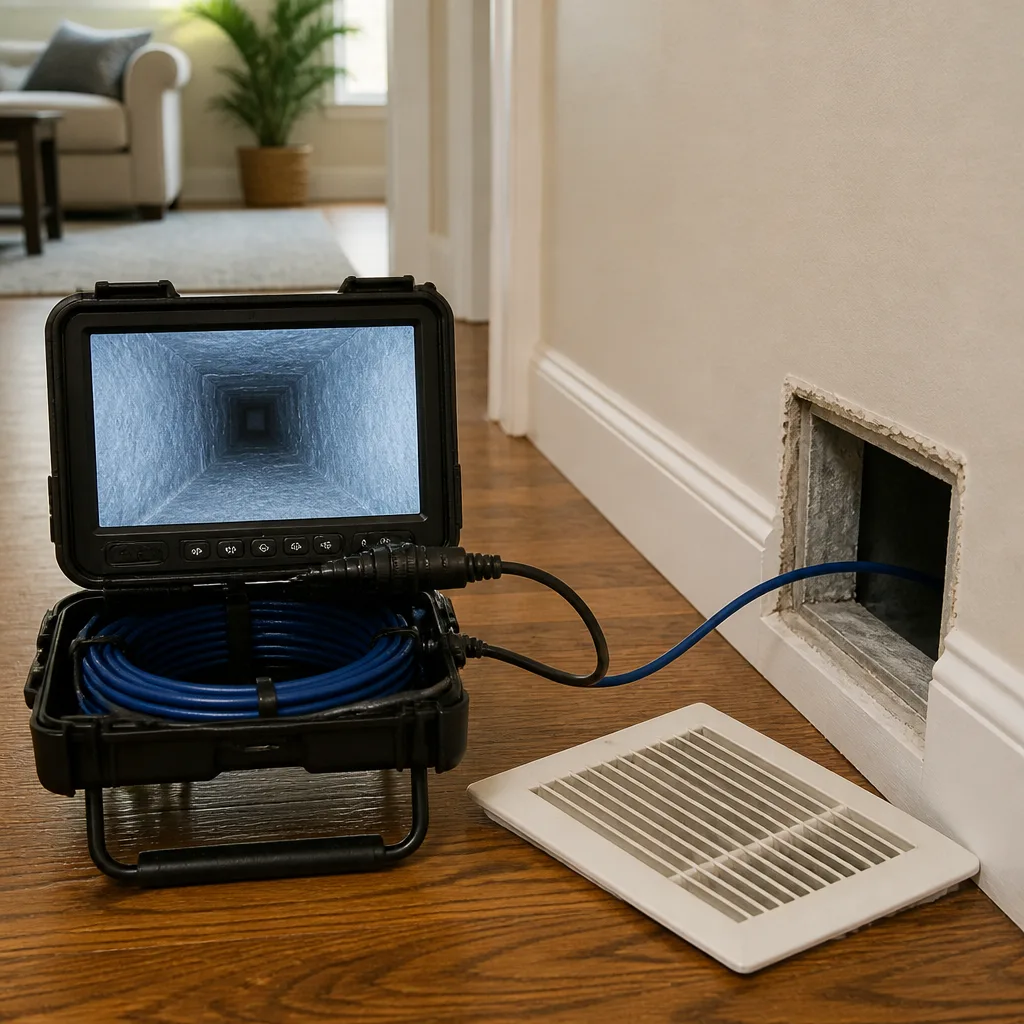 Camera inspection
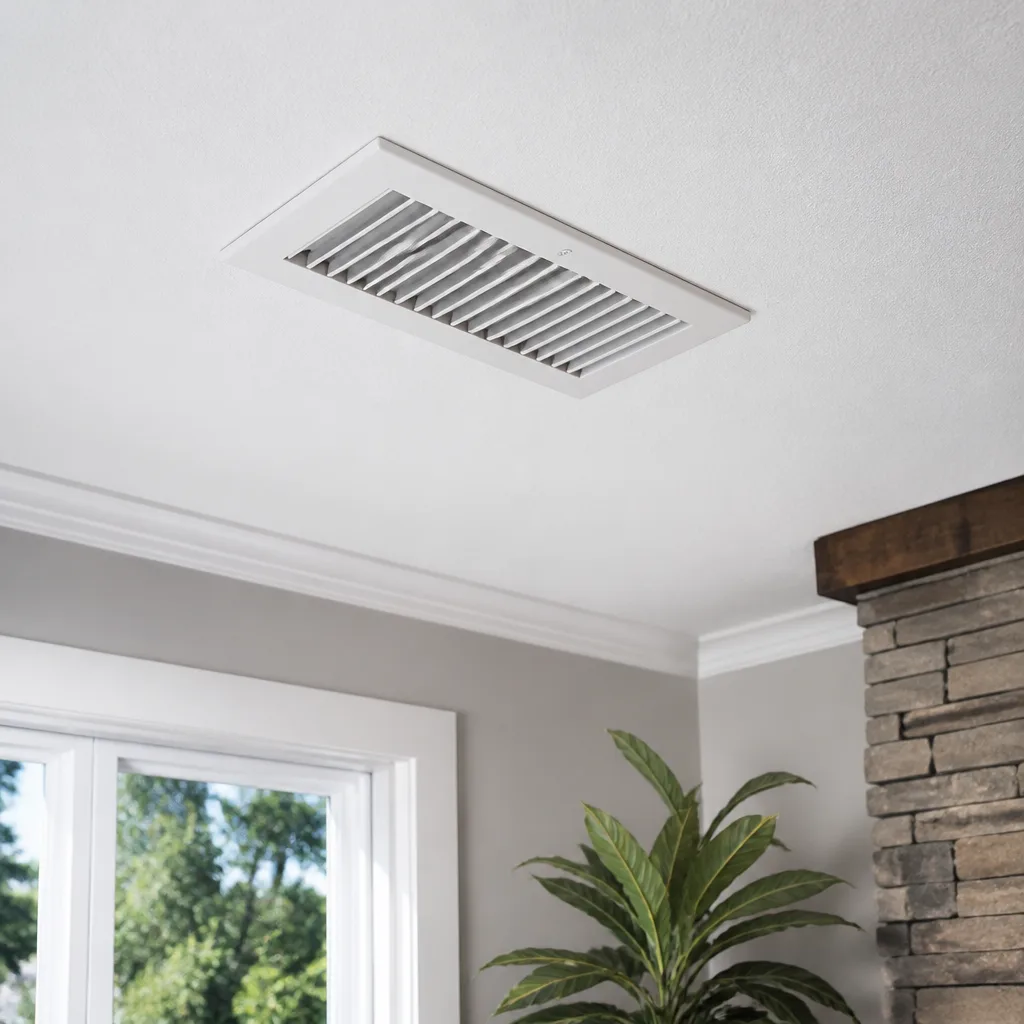 Sanitizing & deodorizing
Whole-system duct and dryer vent check with before-and-after photos - you see exactly what came out of your vents
That "$99 whole-house special" is a bait ad - the real number appears once they are in your hallway, or the "clean" is a shop-vac at the register. We photograph the inside of your ducts before and after instead.
Air Duct Cleaning Troubleshooting in North Las Vegas: Common Problems and How to Fix Them
If your AC is running but airflow in one room dropped off this summer, there’s a strong chance the problem is in the duct, not the unit. Most HVAC techs bill a service call to tell you that. In North Las Vegas, where attic temperatures routinely exceed 140°F and caliche dust works its way into every gap, the failure modes are predictable. You may not need a new blower motor or a compressor replacement. You may need a duct that is clean, sealed, and actually connected. This guide covers the desert-specific symptoms, the tests you can run with a phone flashlight and a tissue, and the point where cleaning stops being enough and repair becomes the real fix.
Styles & brands we work with
- Whole-home duct cleaning
- Dryer vent cleaning
- Camera inspection
- Sanitizing & deodorizing
Quick Answer
Most duct problems in North Las Vegas fall into four categories: dust and debris buildup, disconnected or collapsed flex duct, air leaks at joints and plenums, and restricted returns. The first responds to professional cleaning with extraction-based equipment. The last three require air duct repair. The fastest way to tell them apart is a register-by-register airflow test described below, and if the ducts are ten years old or older in a tract home, the odds shift toward repair, not just cleaning.
Table of Contents
- Why Ducts Fail in North Las Vegas Faster Than the National Average
- Before You Call Anyone: The Flashlight and Tissue Test
- What the Noise Tells You: Leak, Blower, or Blockage
- Dirty Duct vs. Collapsed Duct: How to Tell the Difference
- How 115°F Heat Cycles Destroy Mastic and Foil Tape
- When Cleaning Alone Won’t Fix It: Diagnostic Steps That Prove Repair Is Needed
- Common Mistakes to Avoid
- When to Call a Professional
- Frequently Asked Questions
- The Bottom Line
Why Ducts Fail in North Las Vegas Faster Than the National Average
Ductwork in the Mojave Desert ages differently than ductwork in Ohio or Oregon. The failure starts with the environment, and it compounds with the housing stock. National guidelines for duct cleaning frequency assume a certain level of ambient particulate. North Las Vegas exceeds that level before the wind even picks up. Construction dust from a hundred active subdivisions, fine caliche from the dry lakebeds and open desert, and the everyday grit that blows across the valley floor all settle into return ducts and supply branches. The dust is finer than the lint and hair that dominate in wetter climates, and it packs into pleated filters and blower wheels faster than homeowners expect.
Housing age matters just as much. A large share of North Las Vegas homes were built between 1995 and 2008, the tract-home boom years. The flex duct installed in those attics was never designed for a 25-year service life in this heat. The outer vapor barrier becomes brittle. The inner liner separates from the insulation. The wire coil corrodes in a way it does not in Phoenix, because North Las Vegas nights drop lower and create more thermal swing, even in summer. A duct that looked intact when the home sold will be sagging, kinked, or collapsed five years later. This is a North Las Vegas housing stock reality, not a random failure.
Then there is the return system. Many tract homes here have a single central return and undersized return ducting. When a return is restricted, whether by a collapsed section or a filter that has been loaded with six months of desert dust, the whole system works harder. Airflow drops across every supply register. The fix is sometimes a filter change. Often, it is a return duct that has to be pulled and re-run. The national-average advice to “clean your ducts every three to five years” does not account for North Las Vegas particulate loads. In our experience with air duct cleaning in this market, homes with active construction nearby or a long gravel driveway may need service on the earlier end of that window, sometimes sooner if visible dust is discharging from registers.
Before You Call Anyone: The Flashlight and Tissue Test
Before you pay for a service call, you can gather real diagnostic information in about fifteen minutes. The goal is to identify which rooms are starved for airflow and whether the restriction is at the register, in the branch line, or in the main trunk. You need a phone flashlight, a tissue or a thin strip of paper, and a notepad. This is not a substitute for professional inspection. It is a way to give the person you call a precise description of the symptom, which saves time and keeps the diagnosis honest.
- Turn the system on and let it run for ten minutes. Put the fan on “On” rather than “Auto” so airflow is constant. Wait until the system stabilizes.
- Go room to room with the tissue. Hold the tissue six inches from each supply register. Watch how far it moves. A strong register will push the tissue to a 45-degree angle or more. A weak register leaves it barely fluttering.
- Compare rooms on the same side of the house. North Las Vegas homes often have long trunk runs from one end of the attic. Rooms farthest from the air handler naturally lose some pressure, but a 50 percent difference between two adjacent bedrooms is a red flag.
- Check the returns. Hold the tissue against each return grille. It should be pulled flat against the grille. If it barely sticks, the return is restricted. That restriction can be a dirty filter, a collapsed return duct, or an undersized return opening.
- Shine the phone flashlight into each supply register. Look for visible dust caked on the register vanes, visible debris in the first few inches of the duct, or a duct liner that appears torn or sagging. You cannot see the whole run, but you can see whether the register boot is clean and whether the duct is attached.
- Mark the weak registers. Note which rooms are affected, whether those rooms share a wall or a trunk line, and whether the problem appeared suddenly or worsened over months. Sudden loss in one room often means a disconnected or collapsed branch. Gradual loss across the house suggests a restricted return or a dirty blower.
This test produces a map of the problem. If two of four bedrooms have weak flow and they sit on the same trunk branch, a disconnected junction is more likely than a dirty coil. If every room is slightly weak and the return is sluggish, the problem is upstream. Most importantly, you have eliminated the vague “my AC isn’t blowing hard enough” complaint and replaced it with data.
What the Noise Tells You: Leak, Blower, or Blockage
Ductwork makes noise when it is failing. The trick is learning the signatures. A duct leak, a blower problem, and a clogged return all produce different sounds, and once you have heard them side by side, you can identify them the way a mechanic identifies an engine knock by rhythm.
- A duct leak sounds like a hiss or a low-frequency rush. It is constant while the system runs and it does not change when you open or close bedroom doors. The sound comes from the attic space or from inside a wall cavity. What you are hearing is conditioned air escaping through a joint that has separated or a section of flex that has torn. The air is leaving the system before it reaches the register.
- A clogged return sounds like a strained inhale. The blower is trying to pull air through a filter or a return duct that will not let enough through. The pitch rises as the blower works harder, and you may hear a pulsing or a “whoompf” when the system cycles off. This is a pressure problem, not a leak. The air is there; it just cannot get into the system fast enough.
- A blower issue sounds mechanical. A failing blower motor or a blower wheel loaded with caked dust will produce a grinding, squealing, or rhythmic thumping that changes with fan speed. Blower wheel imbalance from dust buildup is extremely common in North Las Vegas, where the fine particulate loads the wheel unevenly. The sound will be located at the air handler, not in the attic runs.
- A collapsed flex duct sounds like nothing at all. This is the trap. A collapsed or kinked duct restricts airflow silently because the branch is simply not passing air. The room goes quiet and warm. If you notice that one room is both quiet and weak while other rooms are noisy, suspect a physical restriction in that branch line.
The most actionable distinction is between a leak and a restriction. A leak wastes conditioned air into the attic. A restriction starves a room of air. Both reduce performance, but the fixes are different, and so is the urgency. A leak in a North Las Vegas attic pumps cool air into a 140-degree space all summer, which is money leaving the house every hour the system runs.
Dirty Duct vs. Collapsed Duct: How to Tell the Difference
Homeowners confuse these two conditions constantly, and the confusion is expensive. If you pay to have ducts cleaned when a section is collapsed, the cleaning changes nothing. You still have a starved room. If you pay to have a section replaced when the real problem is ten years of caked dust, you have overpaid. The distinction is visible and mechanical.
A dirty duct is uniformly dirty along the run. The inner liner is intact. The duct holds its shape. The airflow may be reduced because the effective diameter of the duct has shrunk under a layer of debris, but air still passes through. When a professional cleaning passes a rotating brush through the run and extracts the debris with a HEPA-filtered vacuum, the airflow recovers. This is exactly what the Rotobrush brush system paired with Nikro HEPA extraction is designed to address: debris removed, not redistributed into the living space.
A collapsed or disconnected duct is a structural failure. The flex duct has been crushed by something stored on it in the attic, the inner liner has torn and separated from the insulation, or the duct has simply pulled free from the register boot or trunk takeoff. Part or all of the air moving through that branch is dumping into the attic. The fix is not cleaning. It is reconnecting, re-supporting, or replacing the affected section. This is air duct repair work, and it is the other half of the profession that most duct cleaners in this market do not offer.
There is a simple field test. After running the flashlight test from the previous section, go up into the attic if it is safe to do so and inspect the runs that feed the weak rooms. A collapsed duct looks flattened, kinked like a garden hose with a bend in it, or visibly torn at the joint. A disconnected duct is obvious: it is hanging loose from the boot or the wye. If you cannot safely access the attic, tell the company you call what you found at the register level, and specifically ask whether they repair ducts or only clean them. Many will tell you to call someone else. Lancaster Duct Cleaning cleans and repairs in the same visit, which keeps the scope of the problem contained instead of splitting it across two contractors.
How 115°F Heat Cycles Destroy Mastic and Foil Tape
North Las Vegas sees sustained summer high temperatures above 110°F, with peak days over 115°F. Attic temperatures run 20 to 30 degrees hotter than the outside air. That puts ductwork, duct sealant, and tape in a thermal environment that no national installation standard was built for. The failure you inherit is not dramatic. It is slow, and it looks like an airflow problem before it looks like a repair problem.
Mastic is the water-based sealant brushed onto duct joints and plenum connections. It works well until it is baked for years at temperatures that climb to 150°F daily and drop to 70°F at night. That swing causes the mastic to shrink, crack, and eventually lose adhesion to the metal or flex it was sealing. A joint that was airtight on installation day becomes a gap the width of a pencil line. That small gap leaks a surprising amount of air, and it grows.
Foil tape, the metallic tape used to seal joints and secure flex duct to boots, fares worse. The adhesive dries out. The tape peels. In many North Las Vegas attics, you can find foil tape that has completely released and is lying on the insulation. The duct it was holding has pulled free from the boot. The homeowner’s only symptom is a bedroom that does not cool. They call an HVAC company, the tech diagnoses low system charge or a failing blower, and the actual fix was a section of tape. This is the misdiagnosis problem in its most common form.
Heat cycling over 115°F also degrades the flex duct jacket itself. The outer polyethylene or foil jacket becomes brittle and splits. The insulation inside, usually fiberglass, settles or falls away. The inner liner then runs hotter and is more prone to tearing. What starts as a sealing issue becomes a replacement issue after enough seasons. The diagnostic step that proves it is simple: if the duct joint shows cracked mastic or peeling tape, and the airflow in that room is weak, you have found the leak. Sealing the joint with proper mechanical fastening and fresh mastic, not just more tape, is the repair.
When Cleaning Alone Won’t Fix It: Diagnostic Steps That Prove Repair Is Needed
Professional cleaning removes the debris that restricts airflow and contaminates indoor air. It does not reconnect a duct, replace a crushed section, or seal a joint that has separated. You can prove which one you need before you spend money. The steps below will tell you whether a cleaning will solve the problem or whether the duct itself has failed.
- Run the tissue test on every register. If one or two rooms show dramatically weaker airflow while the rest of the house is normal, a cleaning will not fix those rooms. The restriction is structural in that branch. Cleaning the whole system will leave the weak rooms weak.
- Look at the age and condition of visible flex duct. If the outer jacket is split, the duct is sagging between supports, or you can see the wire coil through the jacket, replacement is the correct call. A brush will not restore a duct whose jacket has failed.
- Listen at the registers for the hiss of a leak. A leak that pours conditioned air into the attic is not solved by cleaning. The debris removal will happen, but the air will still escape. The repair has to happen for the system to perform.
- Check the returns with the tissue test. If the return is weak and the filter is clean, the return duct is likely collapsed or undersized. Cleaning a collapsed return will not restore it. It needs to be repaired or re-run.
- Consider the dust you see. If registers are blowing visible dust and the system is uniformly weak, cleaning is likely the core need. If there is no visible dust and a single room is dead, the problem is the duct, not the debris.
We run through essentially this logic on every call we book in North Las Vegas. The honest answer is sometimes “you need cleaning, and this section needs repair.” The two are not mutually exclusive. They are often the same job. We carry Abatement Technologies containment equipment alongside the Rotobrush and Nikro systems, so when a repair requires opening a section or working in a dusty attic, the work area stays contained. That is the difference between a cleaning company that also does repair and a repair company that treats dust as an afterthought.
Common Mistakes to Avoid
- Replacing the HVAC unit before checking the ducts. This is the most expensive mistake in the book. A 12-year-old system may still have life in it if the ducts are leaking 30 percent of the conditioned air into the attic. Sealing and repairing the ducts first costs a fraction of a new unit.
- Assuming a weak room is “normal for this house.” Tracts built quickly in the North Las Vegas boom years have real duct deficiencies, but a room that never cools properly is a symptom, not a personality trait. A disconnected branch is common and fixable.
- Using duct tape on ductwork. The gray fabric tape known as duct tape is not rated for duct sealing and fails quickly in a North Las Vegas attic. Proper repair uses mastic and mechanical fasteners.
- Cleaning without inspecting. Paying for a cleaning that does not include a post-cleaning camera or visual documentation misses the point. If the company cannot show you the after, you cannot verify the work. We document before and after as standard practice.
- Treating the filter as optional during construction season. When a house is being built nearby, the dust load is extreme. A clogged filter becomes a clogged return and then a blower problem. Check it monthly during active construction in the neighborhood.
- Calling an HVAC generalist for a duct-specific problem. HVAC companies are for the mechanical system. Duct specialists are for the airway. If your symptom is a collapsed flex duct or a disconnected boot, call a company whose primary trade is ductwork.
- Waiting until the first 100-degree day. The best time to troubleshoot North Las Vegas ductwork is in the shoulder season, when access is easier and the system is not under peak load. By July, every company is slammed, and the problem has had months to worsen.
When to Call a Professional
Call a professional when the tissue test shows a bright-line difference between rooms, when the attic inspection reveals separated or collapsed duct, or when the system has been cleaned and the same room is still weak. Also call if you see visible mold-like growth inside ducts, if the return grille will not hold a tissue, or if the blower wheel is coated in dust and the airflow is dropping across the whole house. These are not filter-change problems. Lancaster Duct Cleaning offers free estimates in North Las Vegas, and we clean and repair in one call. Reach us at (866) 942-9753. We answer 24/7. Fast dispatch from 7am to 7pm, Sunday through Friday.
Frequently Asked Questions
The most common problems are dust and dirt buildup, disconnected or collapsed flex duct, air leaks at joints and plenums, and restricted returns. In North Las Vegas, the dust from construction and desert soil accelerates buildup, while attic heat degrades duct sealant and flex duct jackets. Cleaning addresses the first problem. The other three require air duct repair.
If every register is uniformly weak and you see dust at the registers, cleaning is likely the core need. If one or two rooms are dramatically weaker than the rest, or if the return will not hold a tissue, the duct itself has likely failed and needs repair. A flashlight inspection in the attic can confirm a collapsed or disconnected section.
Reconnecting a flex duct in a hot attic is physically demanding and easy to do incorrectly, and a bad reconnection blows conditioned air into the attic all summer. You may also encounter sharp metal edges and disturbance of fiberglass insulation. The repair itself is straightforward for a specialist with the right tools and a containment plan for the dust and debris released when the duct is opened.
Most homes here do well with cleaning every three to five years. Homes near active construction, homes with long gravel or dirt driveways, and homes with pets, smokers, or allergy-sensitive occupants often need more frequent service. When visible dust is discharging from registers, the clock has been pushed too far.
Cleaning removes the accumulated debris inside the duct system, which reduces the dust that gets blown through the registers. It does not stop dust from entering the home through doors, windows, and general living. Sealing duct leaks also cuts the dust that gets pulled into the system from the attic, so cleaning plus repair addresses more of the problem than cleaning alone.
We do both. Lancaster Duct Cleaning offers air duct repair alongside professional cleaning and dryer vent cleaning. If a section is collapsed, disconnected, or leaking, we repair it. If the system is dirty, we clean it with Rotobrush and Nikro extraction equipment. One call covers the full scope.
The Bottom Line
Duct problems in North Las Vegas are predictable. The dust loads are high, the attic heat is brutal, and the flex duct in older tract homes is past its design life. The difference between a cleaning and a repair is knowable before you spend a dollar. Run the tissue test. Look at the registers. Listen for the signatures. If the symptom is uniform dust and weak flow, cleaning is the answer. If one room is dead and the rest are fine, you have a duct failure. The professional who tells you which one you have, and can fix both, is the one who saves you money. Call (866) 942-9753 for a free estimate. We answer 24/7. Fast dispatch from 7am to 7pm, Sunday through Friday.
Written by the team at Lancaster Duct Cleaning, serving North Las Vegas since 2013.
See the difference
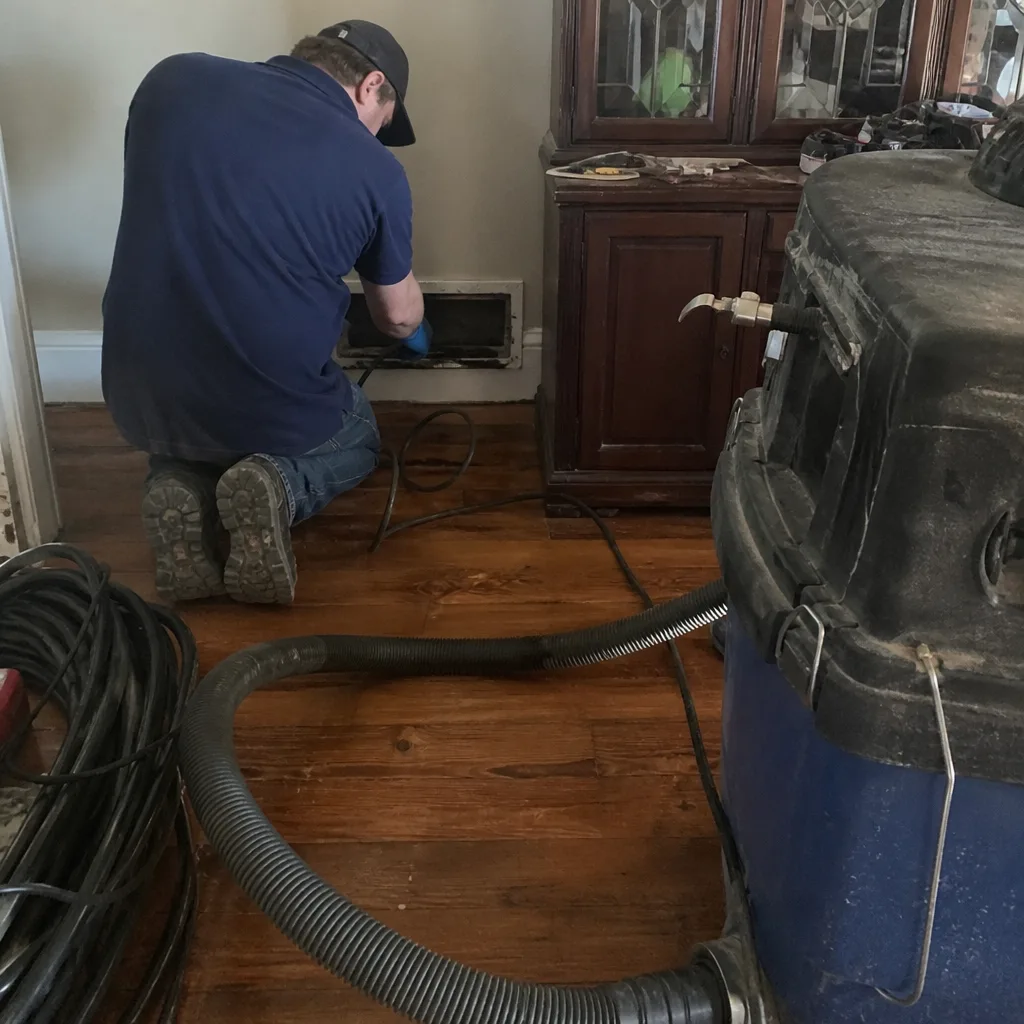 Before
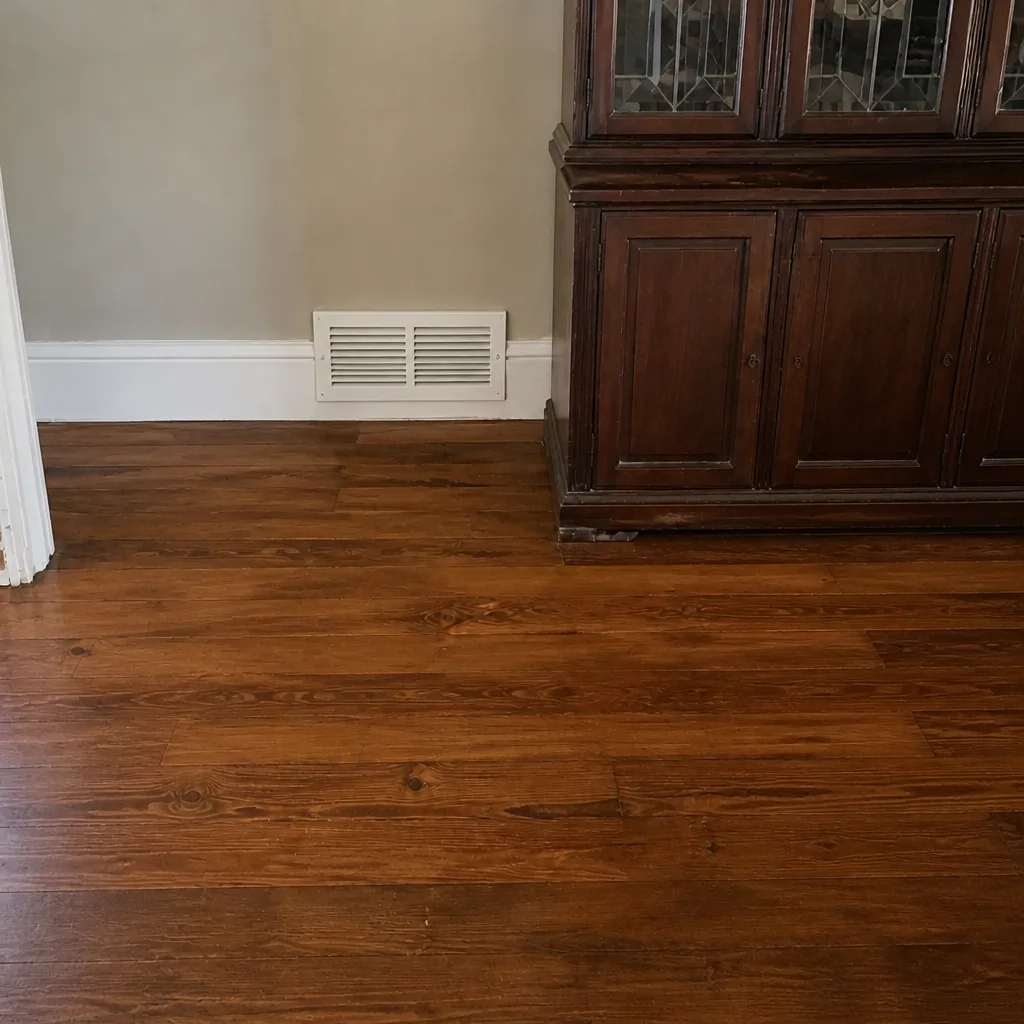 After
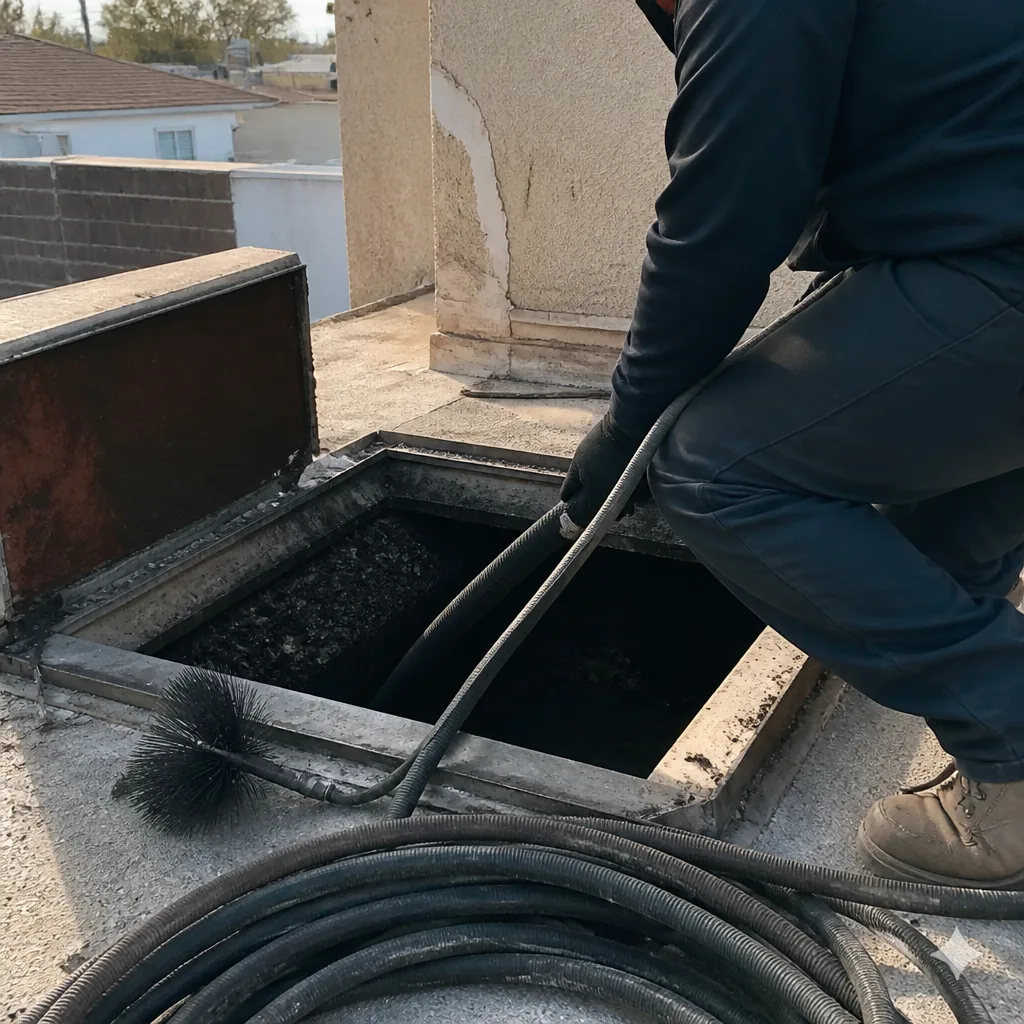 Before
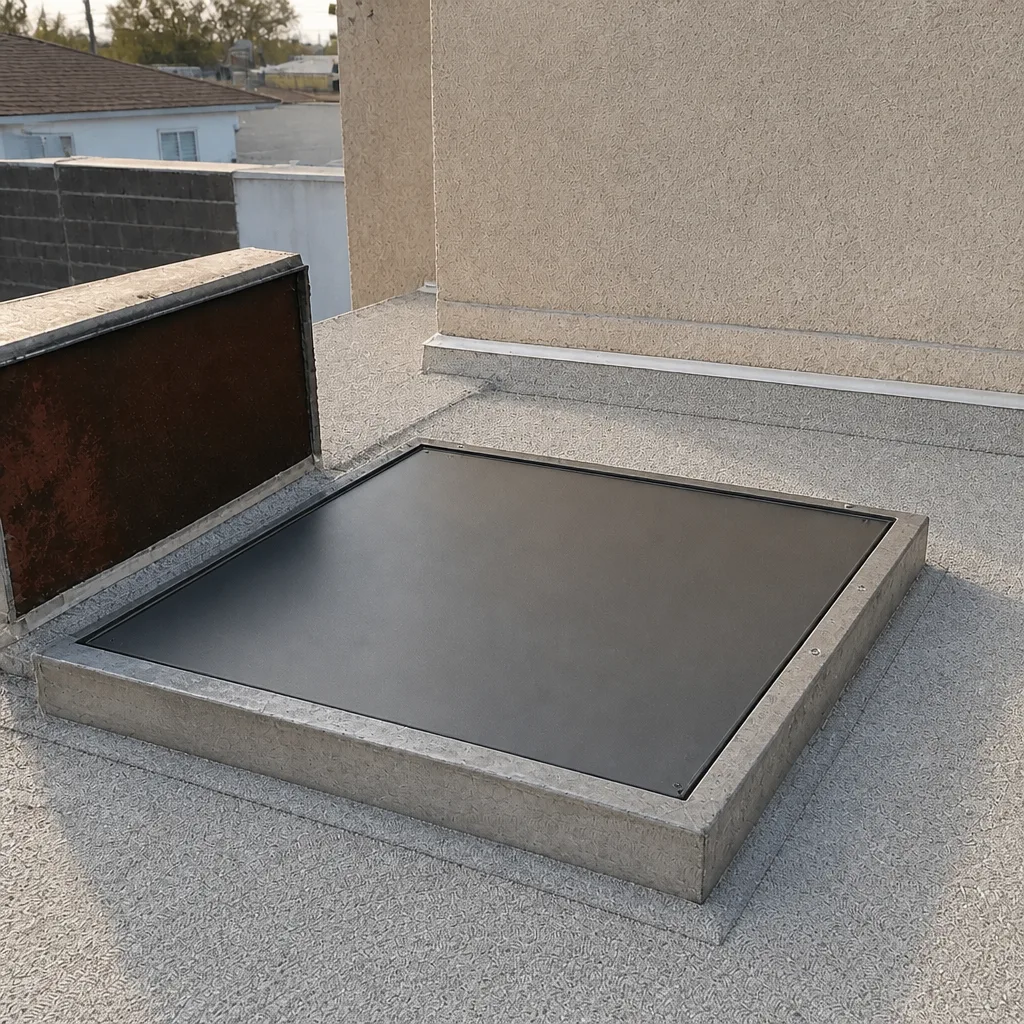 After
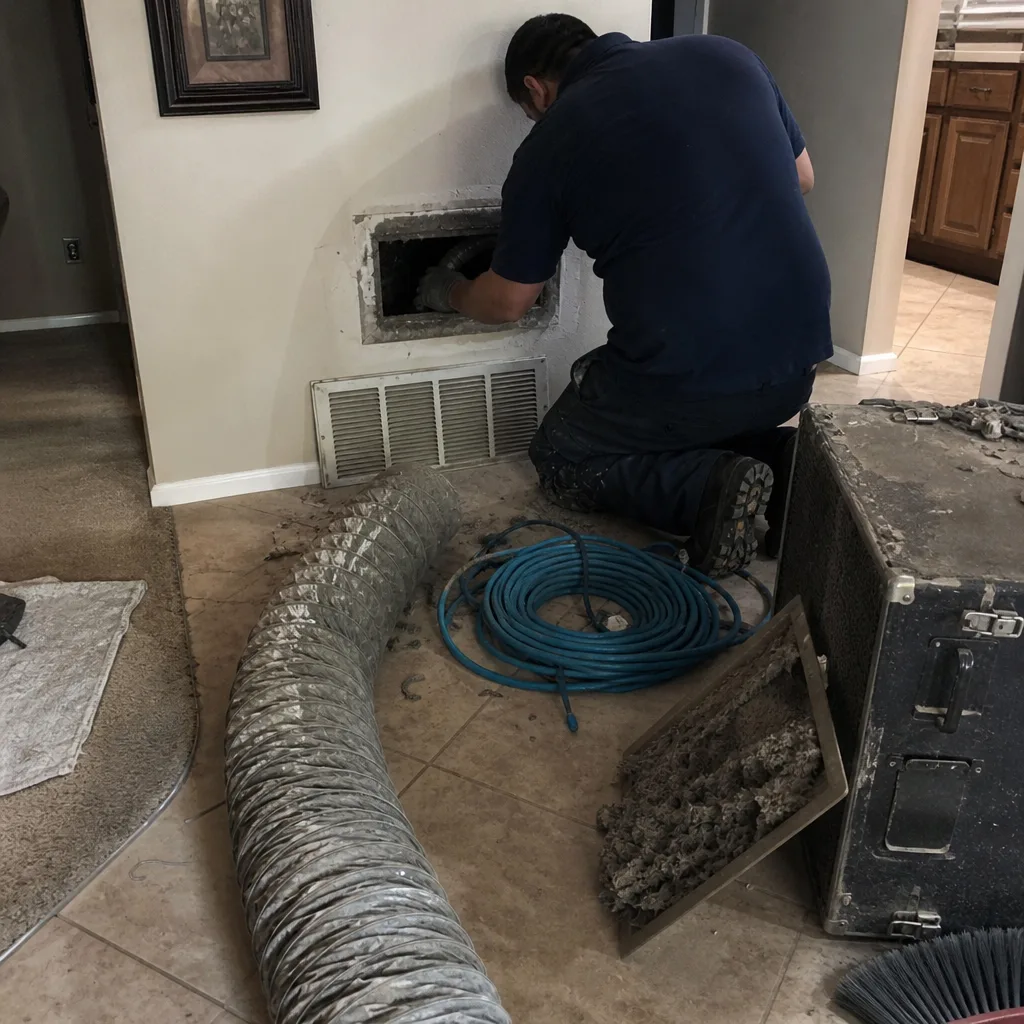 Before
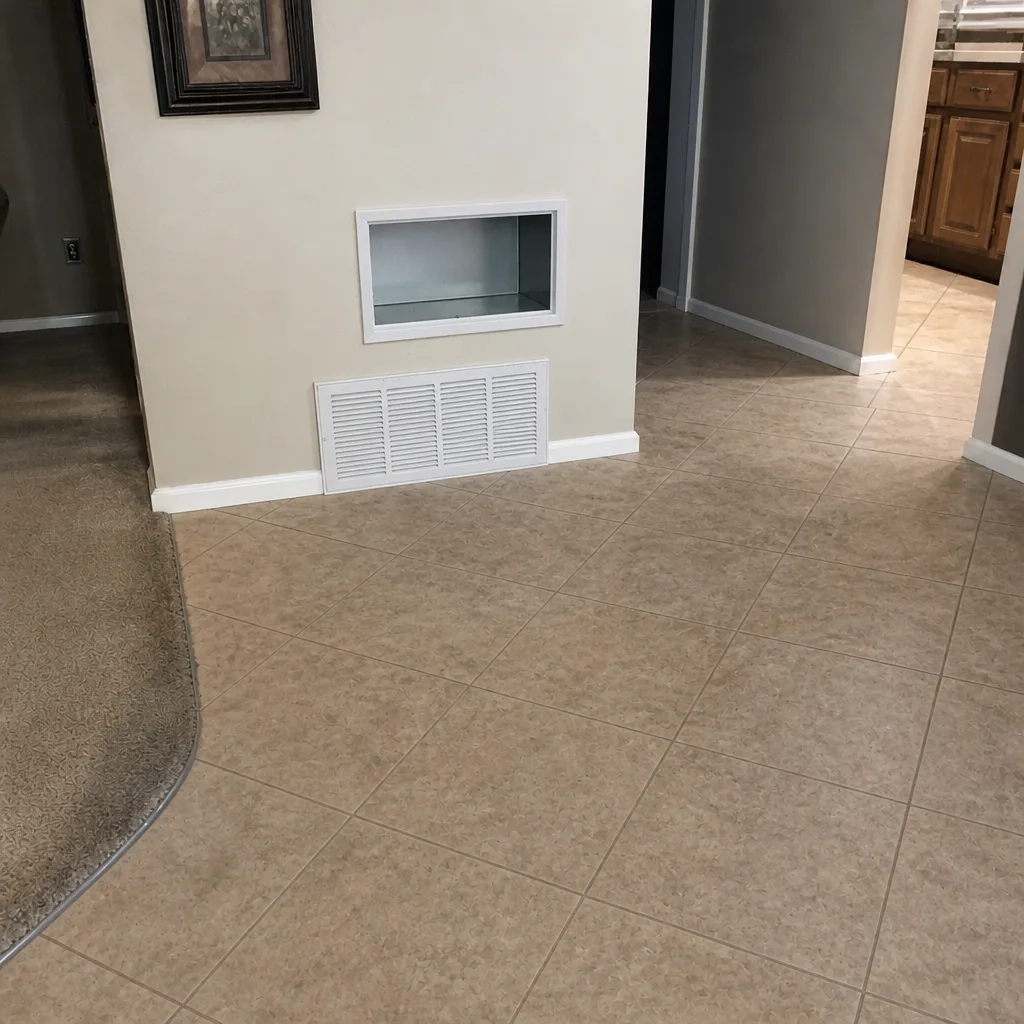 After