
Last updated November 14, 2026
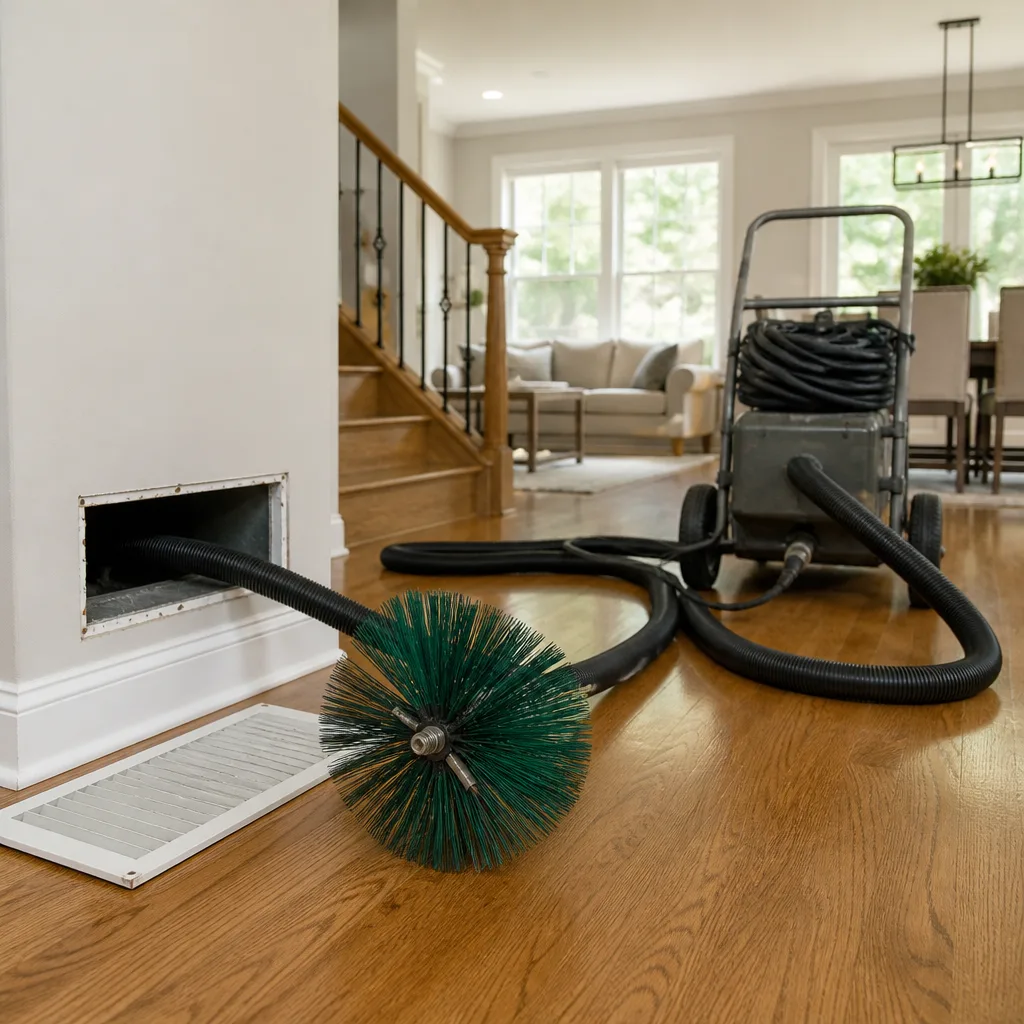 Whole-home duct cleaning
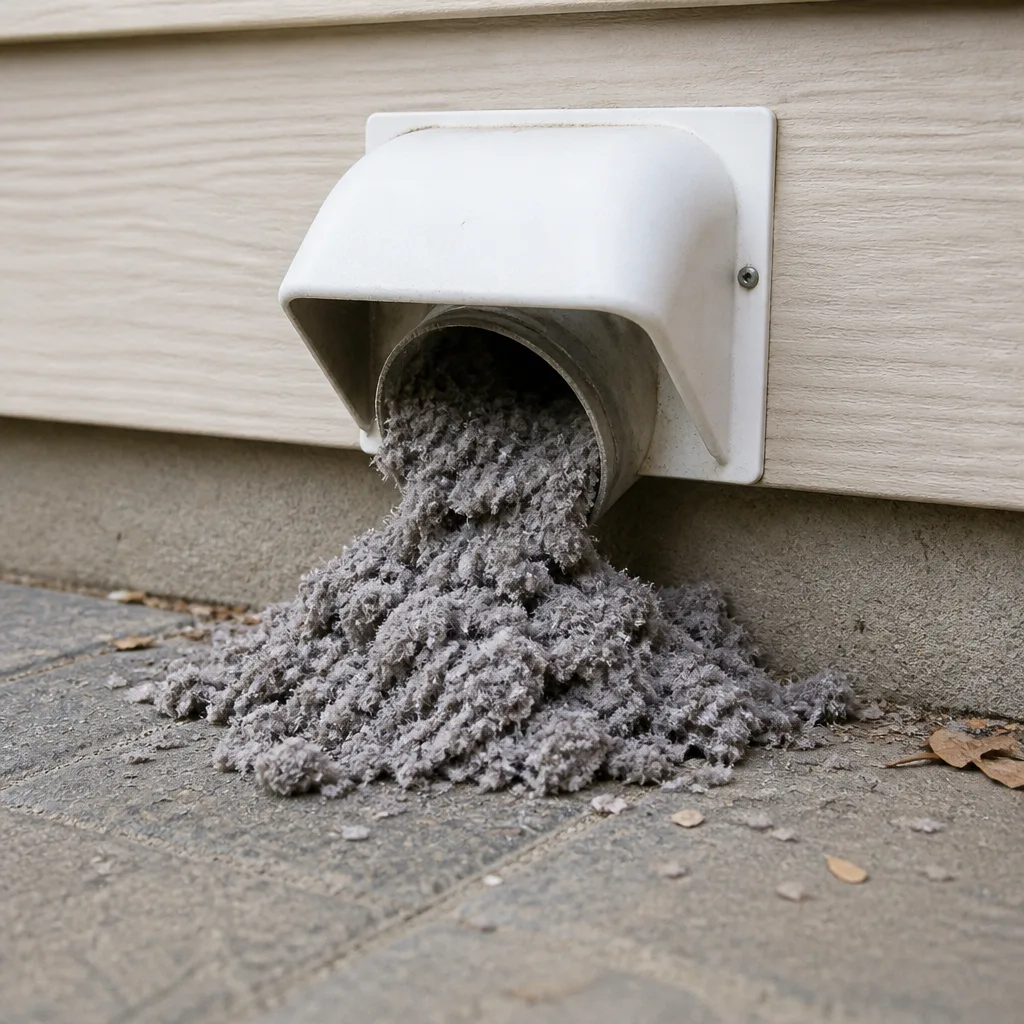 Dryer vent cleaning
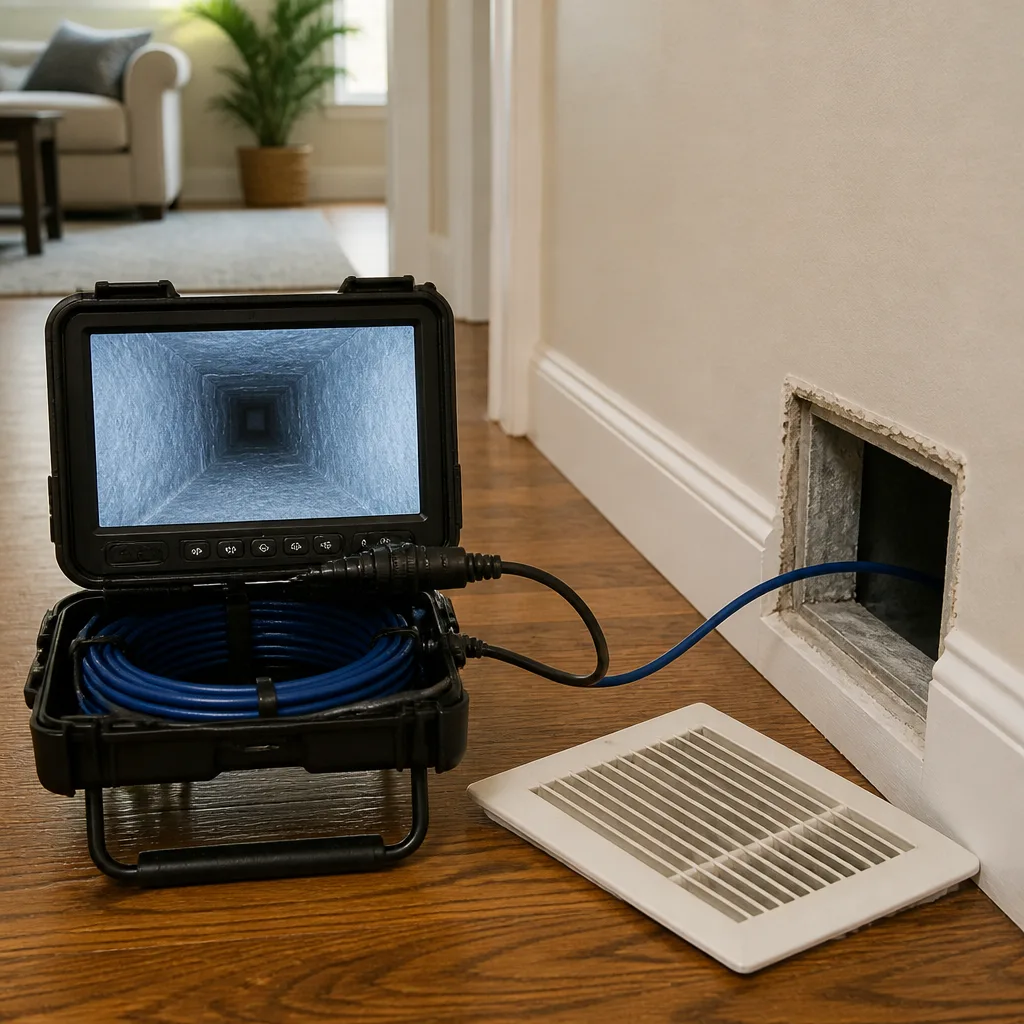 Camera inspection
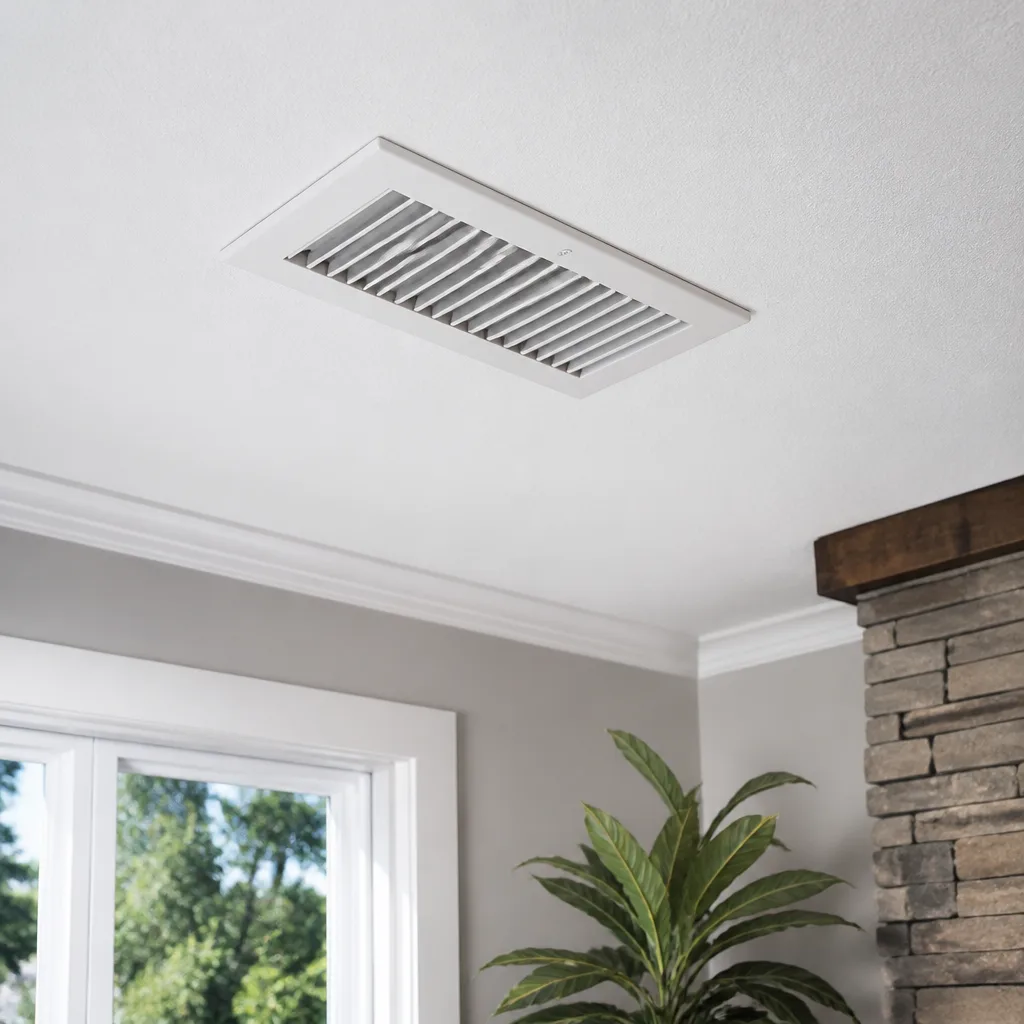 Sanitizing & deodorizing
Whole-system duct and dryer vent check with before-and-after photos - you see exactly what came out of your vents
That "$99 whole-house special" is a bait ad - the real number appears once they are in your hallway, or the "clean" is a shop-vac at the register. We photograph the inside of your ducts before and after instead.
Choosing the Right Air Duct Cleaning Brand: A Buyer’s Guide for North Las Vegas
The brand that matters most in duct cleaning isn’t printed on the contractor’s shirt. It’s stamped on the vacuum housing and the agitation equipment they carry into your crawlspace. Most North Las Vegas homeowners call a company because of a memorable logo or a coupon in the mail. By the end of this guide, you’ll know how to evaluate the equipment tier behind the brand, which tells you far more about the actual cleaning outcome than any tagline. We’ll walk through what separates contractor-grade systems from entry-level gear, how to verify claims before you book, and why repair capability changes the entire service category.
Quick Answer
The right air duct cleaning brand in North Las Vegas is one that runs contractor-grade equipment from recognized manufacturers like Rotobrush, Nikro, and Abatement Technologies, and ideally offers air duct repair alongside cleaning so one visit resolves the full problem. Ask any company you’re considering to name the make and model of their negative-pressure vacuum and agitation system before you book. If they hesitate or can’t answer, keep looking.
Styles & brands we work with
- Whole-home duct cleaning
- Dryer vent cleaning
- Camera inspection
- Sanitizing & deodorizing
Table of Contents
- Why Equipment Tier Defines the Brand
- Rotobrush and Nikro: What These Names Actually Mean
- Abatement Technologies: The Containment Difference
- Why Franchise Brands Often Run Lower Equipment Tiers
- Cleaning and Repair: A Different Service Category
- How to Verify Equipment Claims Before Booking
- Local Reputation Signals That Matter More Than Star Ratings
- Duct Cleaning in North Las Vegas: What the Desert Climate Means
Why Equipment Tier Defines the Brand
In duct cleaning, the company name on the van is almost irrelevant compared to what’s inside it. The industry has three broad equipment tiers, and knowing which one a contractor operates will tell you more about your expected outcome than any review or sales pitch. We’ve spent over a decade working inside residential duct systems across the Las Vegas Valley, and the pattern holds in every neighborhood from Aliante to Eldorado.
Tier one is consumer-grade. These are portable units that look like oversized shop vacuums with a brush attachment. They pull 1,000 to 2,000 CFM (cubic feet per minute) of airflow at best. That’s enough to lift loose surface dust from the first few feet of a supply register, but it won’t pull debris from the main trunk line. Companies running this tier typically finish a whole house in under an hour because the equipment physically cannot do more.
Tier two is entry-level commercial. These units generate 3,000 to 4,000 CFM and attach to a rotating brush. They’re better, but the collection system is often a single-stage filter bag that allows fine particulate back into the living space during the job. You’ll see this tier on many franchise trucks because it fits a price-point margin while still looking professional in a brochure photo.
Tier three is contractor-grade. This means a dedicated negative-air machine pulling 4,000 to 6,000+ CFM, paired with a powered agitation system like the Rotobrush rotating brush that physically dislodges caked-on debris before the vacuum captures it. The extraction unit uses HEPA filtration, usually from a manufacturer like Nikro, which traps particles down to 0.3 microns. This is the equipment serious restoration and abatement contractors require on job sites. Few residential duct cleaning companies in North Las Vegas operate at this tier because the upfront investment is significant and the work takes longer. That’s the point: thoroughness takes time, and time costs money.
The tier determines what actually happens inside your ducts. A tier one or tier two job redistributes some debris and removes the visible stuff near registers. A tier three job removes the material bonded to the duct walls. In a desert environment where fine gypsum dust from construction and blown sand from the Mojave settle into HVAC systems, that distinction is the entire job.
Rotobrush and Nikro: What These Names Actually Mean
When a contractor says they use “professional equipment,” that phrase means nothing without a manufacturer attached. Two brands dominate the contractor-grade residential market, and they serve different functions in the cleaning process. Knowing both names helps you ask sharper questions and spot vague answers.
Rotobrush is the agitation side of the equation. The system uses a flexible shaft with a rotating brush head that runs through each duct run, scrubbing the interior walls as it goes. The brush dislodges material that a vacuum alone will never touch: caked-on dust, pet hair tangled with lint, construction debris, and the fine silt that North Las Vegas desert winds push through even well-sealed homes. Without mechanical agitation, you’re vacuuming the surface of a dirty carpet and calling it clean.
Nikro is the extraction side. Nikro manufactures HEPA-rated negative air machines and vacuum units built for the restoration industry. The critical spec is CFM, or how much air the unit moves per minute. A contractor-grade Nikro unit pulls enough negative pressure to keep the ductwork under suction throughout the job, so what the Rotobrush dislodges gets captured at the point of agitation, not blown deeper into the system or out into your living room. Nikro’s HEPA filtration meets the standard used in hospital and remediation environments.
These two systems work together as a brush-and-extract method. The brush breaks material loose, the HEPA vacuum catches it. Debris removed, not redistributed. That’s the phrase you want to hear, and now you know the equipment behind it.
When a company can name their equipment, they’re telling you they invested in a process, not just a truck wrap. Every legitimate contractor-grade operator in this market can name their agitation system and their vacuum manufacturer on the spot. If you ask and get “industrial-strength equipment” or “commercial-grade tools” without a brand name, you’re talking to someone running tier one or tier two gear and hoping you won’t notice.
Abatement Technologies: The Containment Difference
There’s a third brand that separates genuinely disciplined operators from everyone else, and it’s one almost no homeowner thinks to ask about. Abatement Technologies makes negative-air-pressure and containment equipment used in professional mold remediation, asbestos abatement, and lead work. It’s the gear professionals use when cross-contamination is not acceptable.
In duct cleaning, containment matters more than most people realize. The moment you agitate duct interiors, whatever was sitting in there becomes airborne. A careless operator running a low-tier vacuum lets that cloud escape through the register openings, through the return chase, and into your breathing space. That’s the exact opposite of the goal.
A contractor using Abatement Technologies equipment runs the job like a mini-abatement project. The negative-air machine creates continuous suction that keeps the work area under negative pressure. Contaminants flow to the capture point, not away from it. The same principle keeps a hospital isolation room from leaking pathogens into the hallway. Applied to a North Las Vegas home, it means the fine dust you’ve been filtering and breathing for three years leaves inside a containment bag, not on your couch.
This is also a strong signal of company posture. Abatement Technologies equipment is expensive. Running it for a residential duct cleaning job costs real money in setup and teardown time. A company that carries it treats duct cleaning as a contamination-control service, not a maintenance upsell. You should expect this tier of operator to take four to six hours on a full system for a 2,000-square-foot home, sometimes longer with accessible crawlspace work. That’s not slow. That’s what actual cleaning looks like.
Ask a prospective company directly: “Do you run any Abatement Technologies equipment or equivalent negative-air containment on the job?” The answer tells you immediately whether they’re equipped for real extraction or just cosmetic work.
Why Franchise Brands Often Run Lower Equipment Tiers
National franchise duct cleaning brands have a structural problem, and understanding it helps North Las Vegas homeowners see past the polished marketing. A franchise model works by charging franchisees a significant percentage of gross revenue, often 7 to 10 percent on top of a flat monthly fee, plus national advertising fund contributions. That overhead comes out of every job. The franchisee still needs to pay technicians, fuel, insurance, and equipment. Something has to give.
In most cases, the equipment is what gives. Franchise corporate offices commonly approve lower-tier equipment packages because they’re cheaper to roll out across hundreds of locations. A portable unit that cost $3,000 per franchise is easier to scale than a $25,000-plus contractor-grade system per truck. That’s a rational business decision for a national brand. It’s just not a decision that serves your ducts.
Some franchise agreements also dictate service windows. A 45-minute job keeps per-route volume high and supports the coupon price points the national marketing engine depends on. A thorough cleaning with a Rotobrush and a Nikro negative-air machine simply doesn’t fit that time frame. You can’t agitate every duct run, extract under genuine negative pressure, and walk away in under an hour. Anyone who says otherwise is not doing the full job.
Independent local operators don’t carry that franchise overhead. The economics allow them to invest in real equipment because they’re not sending 10 percent of every job to an out-of-state parent corporation. The tradeoff is that marketing is harder for independents. They don’t have a national ad budget or a recognizable logo on every block. They have to earn each job through actual results and the kind of local word-of-mouth that compounds over years in a market like North Las Vegas. We’ve built our reputation that way: equipment first, advertising second.
None of this means every franchise does bad work. It means the brand name on the truck is not evidence of the equipment tier inside it. An independent running contractor-grade gear will outperform a franchise running entry-level commercial gear nearly every time. The only way to know is to ask the equipment question.
Cleaning and Repair: A Different Service Category
Most duct cleaning companies can only do one thing: clean. When their technician finds a disconnected duct run in the attic, a collapsed section under the home, or a duct that’s leaking 30 percent of its air into a hot crawlspace, they can point at it and leave. The homeowner then calls an HVAC company, schedules a second appointment, pays a second dispatch fee, and waits another week. Meanwhile the system keeps pulling dusty attic air through the same gaps.
That’s why air duct repair changes the category. A company that offers both cleaning and repair in the same visit solves the full air system problem in one stop. We clean what’s dirty and fix what’s broken. The customer gets one appointment, one crew, one walkthrough, and a closed loop at the end. In our experience, a meaningful percentage of North Las Vegas homes we clean also need some form of repair work: loose joints, tears in flex duct, disconnected boots, or crushed sections from attic traffic. When the same technician can address it on the spot, the cleaning isn’t followed by a leak that recreates the contamination problem within six months.
This single-call-solution model represents a different service category. A cleaning-only operator is a maintenance vendor. A cleaning-and-repair specialist is an air system contractor. The difference shows up in how the company dispatches, how its technicians are trained, and how the work is priced. Repair capability also indicates a deeper mechanical understanding of duct systems. You can’t properly repair a ducted system you don’t understand. A technician who can map airflow, identify pressure imbalances, and repair a plenum transition is working at a different level than one who runs a vacuum wand through a register.
Ask any prospective company: “If you find damaged ductwork during the cleaning, what happens?” The level of their answer tells you everything about their service category. If the answer is “we’ll refer you to someone else,” you’re talking to a cleaning-only vendor and you should plan for a two-contractor reality. If the answer is “we fix it on the spot and adjust the estimate,” you’ve found a full-service air system specialist.
How to Verify Equipment Claims Before Booking
It’s easy for a company to say they run professional equipment. It’s also common in this industry. Here’s a step-by-step process to verify those claims before you sign anything or let anyone into your crawlspace.
- Ask for the agitation system brand and model. A contractor-grade operation will say “Rotobrush” without hesitating, and may even tell you the model line. A vague answer like “we use rotating brushes” is not an answer. Entry-level companies often have a brush attachment on a portable vacuum and call it “agitation.” It isn’t.
- Ask for the vacuum manufacturer and CFM rating. The key number is airflow: how many cubic feet per minute the negative-air unit pulls. A contractor-grade unit from Nikro or equivalent will be in the 4,000 to 6,000 CFM range. If they can’t give you a CFM number, they don’t know their equipment. If the number is under 3,000, you’re looking at tier one or tier two gear.
- Ask about HEPA filtration. The extraction unit should be HEPA-rated, meaning it captures 99.97 percent of particles at 0.3 microns. The filter specification matters. A standard dust bag is not HEPA.
- Ask about containment. Do they run any Abatement Technologies negative-air equipment or equivalent containment protocol? This tells you whether they’re managing the job as a contamination-control process or just moving air around. You can verify Abatement Technologies as a real manufacturer quickly; it’s the same brand used in professional remediation.
- Cross-reference with a phone call. Legitimate companies will answer these questions calmly and specifically over the phone. Companies that get defensive, change the subject to price, or tell you “don’t worry about the equipment, we’re certified” are often running entry-level gear behind a certified-looking logo. Certification and equipment are separate things.
This process takes five minutes on the phone. The answers separate contractor-grade from consumer-grade faster than any review site. We answer these questions every week, and we’d rather lose a customer who doesn’t care than win one who didn’t ask.
Local Reputation Signals That Matter More Than Star Ratings
Star ratings have a place, but they’re a blunt instrument. In a market the size of North Las Vegas, the more revealing signals come from how other professionals treat a duct cleaning company. Here’s what to look for.
HVAC contractor relationships. Reputable HVAC companies doing system replacements or coil replacements occasionally need ducts cleaned before or after the work. They refer customers to duct cleaners they trust because the referral reflects on them. If a duct cleaning company is a regular referral partner for North Las Vegas HVAC contractors, that’s a professional-vetted signal you won’t find in any review aggregate.
Restoration company referrals. Water damage, fire damage, and post-construction cleanup require duct cleaning as part of the scope. Restoration companies only call in duct cleaners who run real negative-air equipment with genuine containment, because their remediation work depends on it. If a duct cleaning company gets called in after remediation jobs in the Las Vegas Valley, it’s because restoration companies have seen their equipment and protocols up close. That’s a stronger signal than a hundred five-star reviews.
Property manager relationships. Property managers overseeing rental homes and small commercial spaces in North Las Vegas need repeatable, documented work. They’re not swayed by coupons. They need a contractor who shows up, does the full job, and documents it. A duct cleaner with an active property manager client base is doing something right at the operational level.
Before-and-after documentation. The industry’s worst reputation problem is the “did they actually do anything?” question. A company that photographs each duct run before and after has a verification system. We take photos of our own work because it protects both sides: the homeowner sees proof of the result, and we have a record of the condition. Ask any prospective company whether they document the work. The no-documentation answer is the industry telling you it doesn’t want to be checked.
None of these signals require a review count. They require the company to be active in the local contractor ecosystem, which only happens over time when the work is consistently real. In a city like North Las Vegas where the housing stock ranges from 1960s ranches to brand-new Sun City builds, that consistency matters because no two duct systems are the same.
Duct Cleaning in North Las Vegas: What the Desert Climate Means
North Las Vegas has a specific environmental profile that shapes duct cleaning needs. Understanding it helps you time the work and set realistic expectations for what you’ll find inside your system.
The Mojave Desert produces a fine, alkaline dust that behaves differently from household dust in more humid climates. It’s finer, it’s more abrasive, and it carries through the air in wind conditions that are common in the northern part of the Las Vegas Valley. Homes in Aliante, Eldorado, and the older neighborhoods around Lake Mead Boulevard all contend with the same settling pattern: fine dust penetrates the building envelope through vents, window seals, and door gaps, and the HVAC return side pulls it directly into the duct system. Once inside, it bonds to the duct walls with the help of static electricity.
Construction is also a factor in this market. North Las Vegas has seen continuous residential development for the last two decades. New-build homes in the northern expansion areas often have construction debris inside the ducts from day one: drywall dust, sawdust, and sometimes actual material scraps. Builders don’t clean duct systems after rough-in. If you bought a new construction home in North Las Vegas in the last three years and haven’t had the ducts cleaned, you’re breathing whatever was in the ductwork when the drywall crew finished. We’ve seen everything from drywall mud to beverage cans pulled out of new-home duct runs.
The desert climate also accelerates certain duct problems. The extreme heat cycling throughout the summer expands and contracts duct connections, especially in attics that regularly reach 140 degrees. Duct tape dries out and fails. Flex duct sags. Joints separate. None of these issues show up visually inside the living space, but they all reduce system efficiency and pull attic air into the conditioned airstream. That’s why the repair capability matters so much here specifically. In a cold climate, a small duct leak costs a little efficiency. In a North Las Vegas summer, a duct leak pulls 140-degree air into a system fighting to hold 78 degrees. The repair is not optional; it’s the whole point of the service.
For most North Las Vegas homes, we recommend a full cleaning every 3 to 5 years, sooner if there’s been a renovation, a water event, or a period with the system running while windows were open during a dust storm. Homes with shedding pets may benefit from a shorter interval. This is a schedule conversation to have with a specialist who has actually looked inside your system, not a rule to apply blindly.
Common Mistakes to Avoid
- Hiring based on coupon price alone. A $69 whole-house duct cleaning in North Las Vegas means the operator must finish in under an hour, which means they’re running a low-tier vacuum and skipping half the duct runs. The math doesn’t work any other way.
- Believing a branded franchise truck means branded equipment. National franchise operations often run scaled-down equipment packages to protect their margins. The name on the door is not proof of what’s inside the truck.
- Not asking for the vacuum manufacturer and CFM rating. This one question filters out most low-tier operators instantly. If they can’t name the machine and its airflow number, they don’t have contractor-grade equipment.
- Skipping repair conversation before booking. If the company doesn’t offer repair and you end up needing it, you’ll pay for two service calls and live with a leaking system for days or weeks between appointments.
- Assuming new homes don’t need cleaning. New construction in North Las Vegas is frequently the worst offender for construction debris inside duct runs. A new-house duct system is not a clean duct system.
- Failing to document the before-and-after. If the company won’t show you photos, you can’t verify the work. The legitimate operators in this market photograph everything.
- Confusing dryer vent cleaning with duct cleaning. They’re different services with different equipment and different risk profiles. A company that treats them as interchangeable is not running either correctly.
See the difference
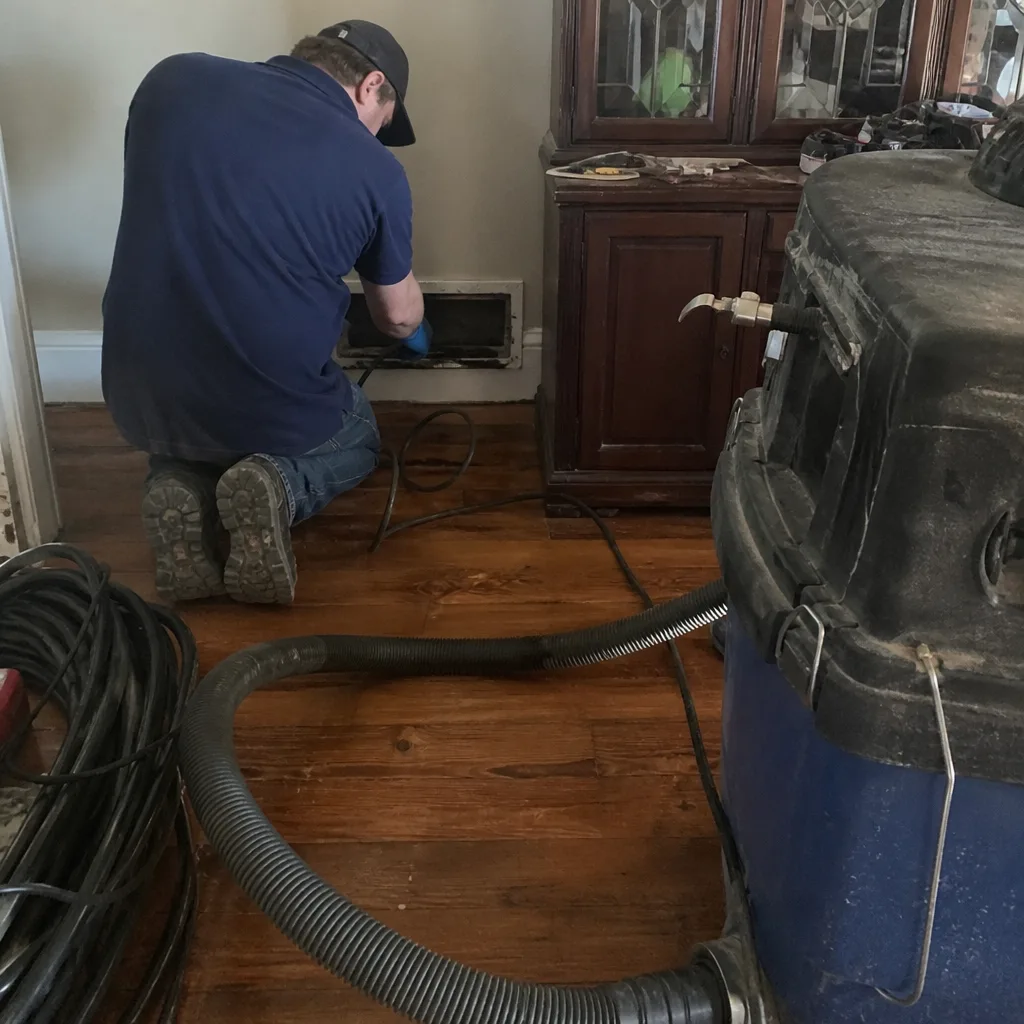 Before
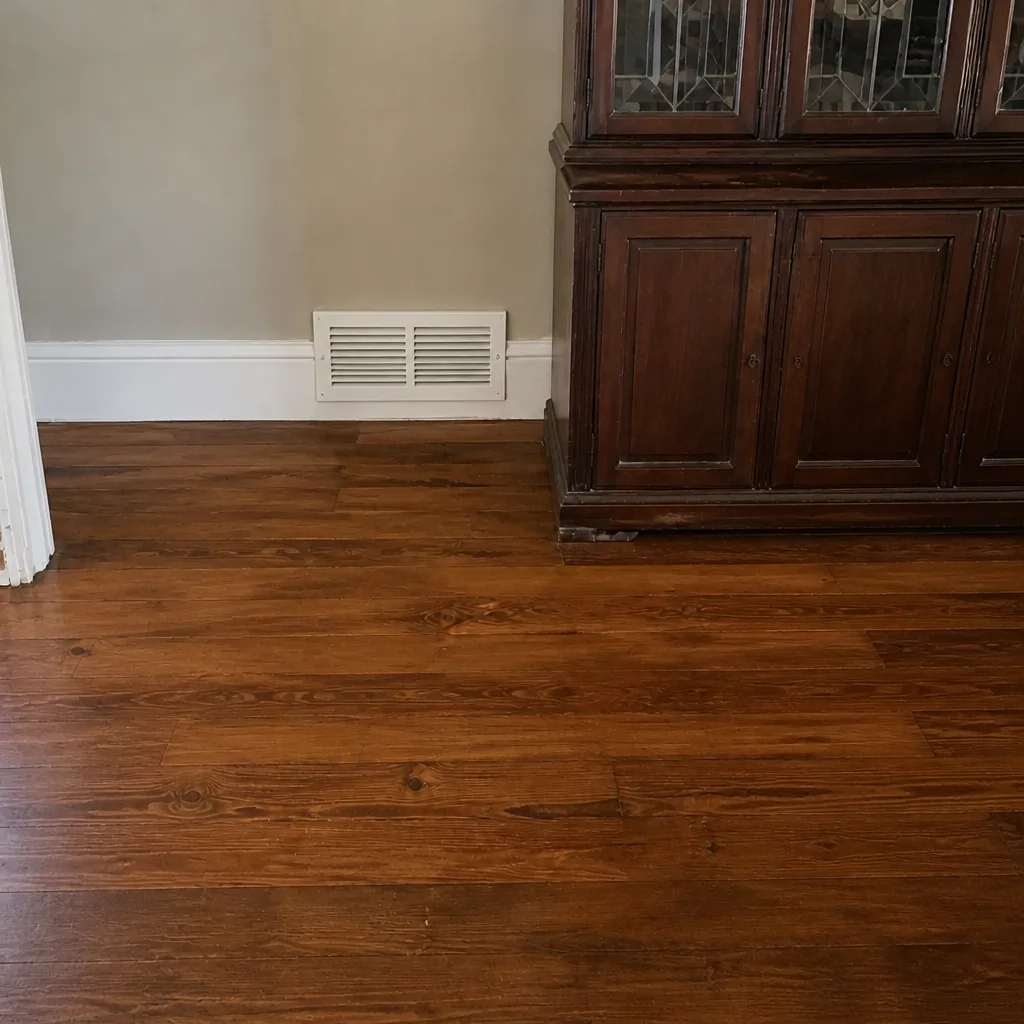 After
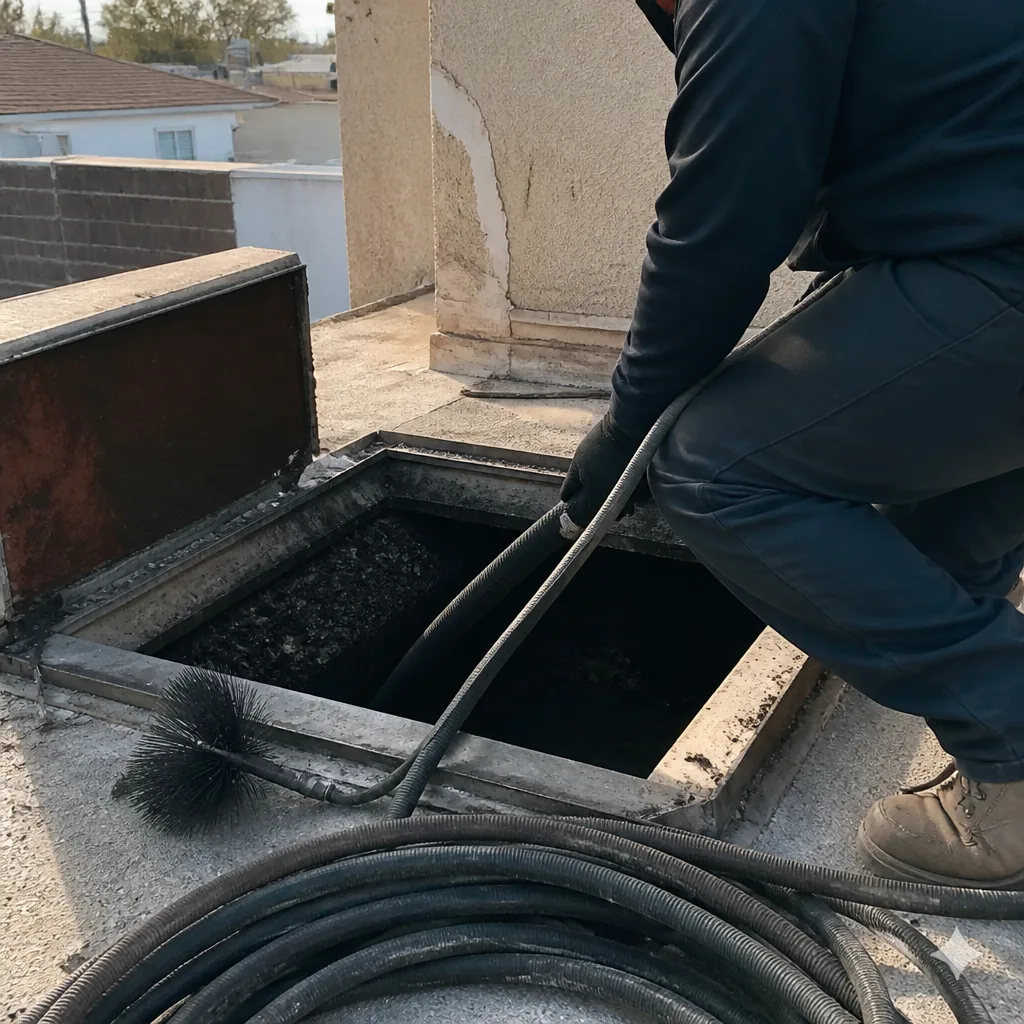 Before
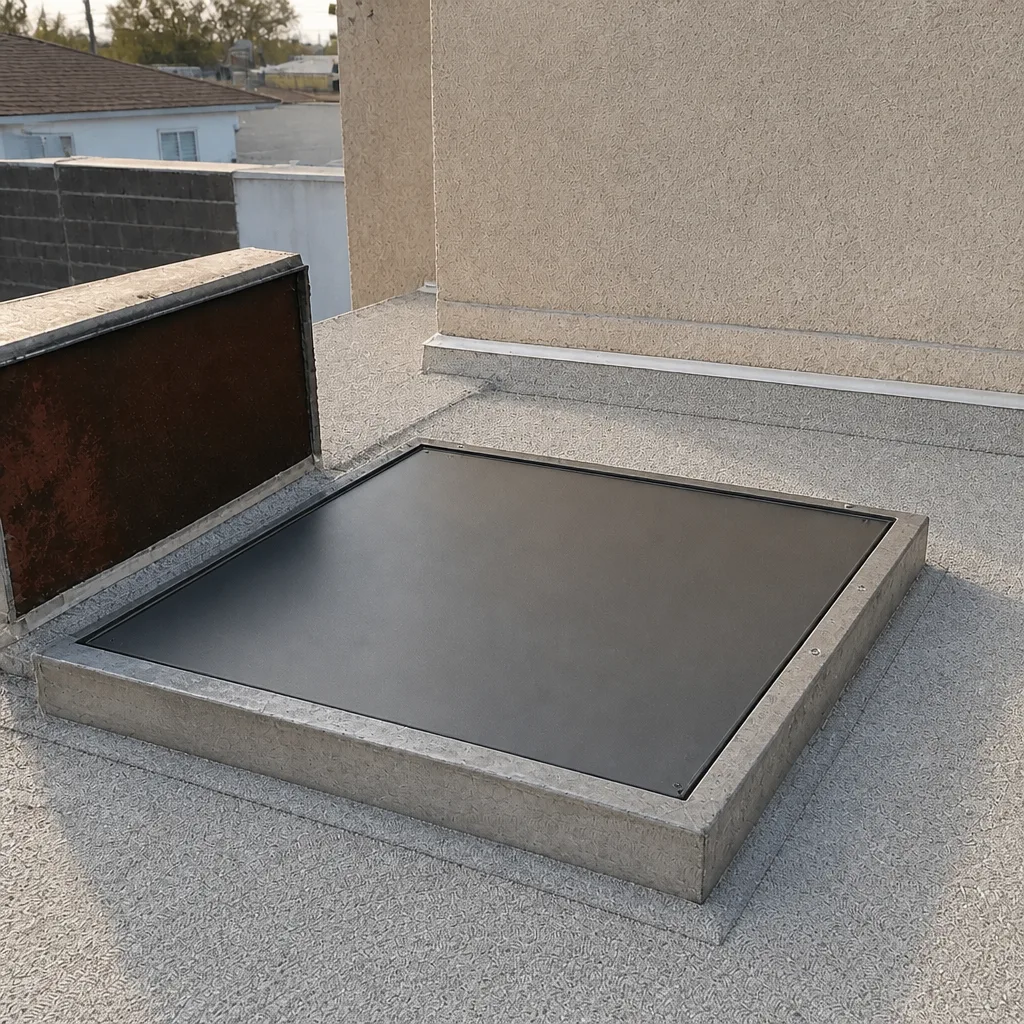 After
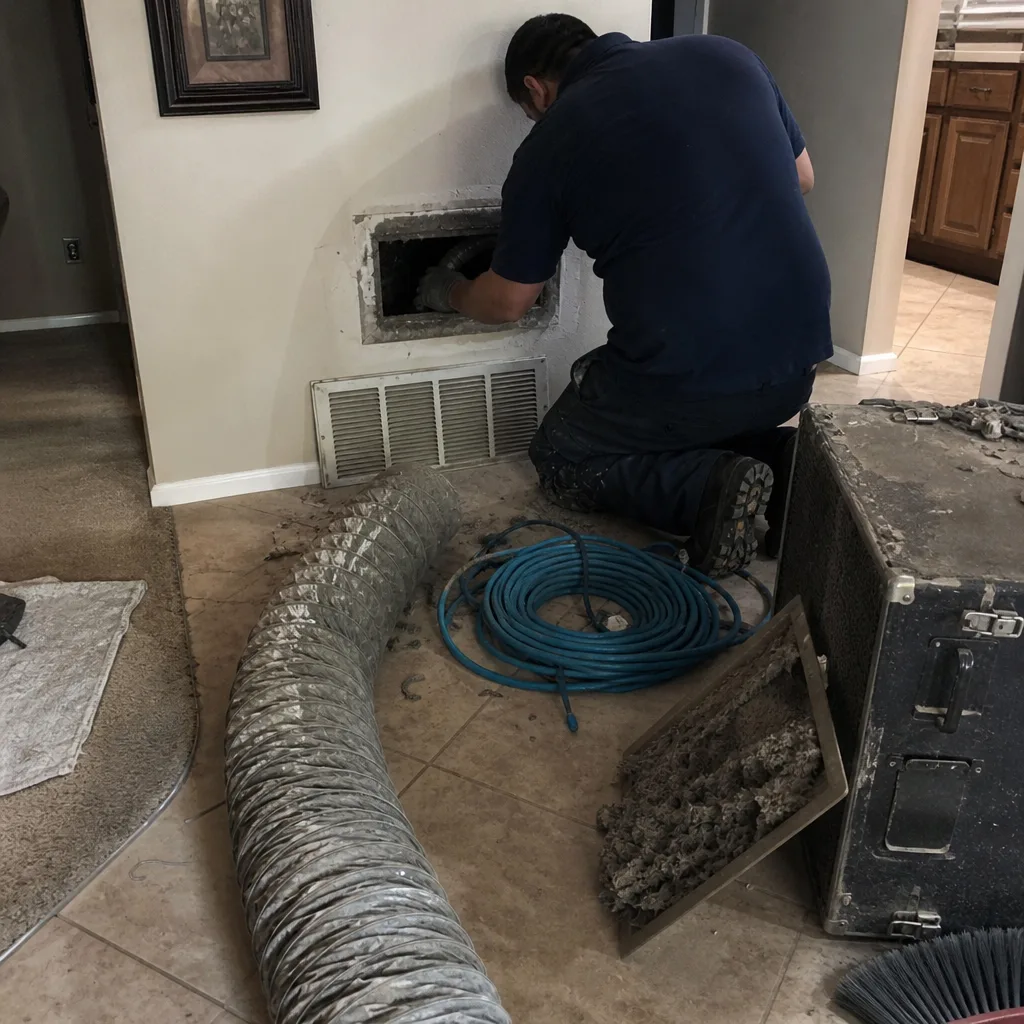 Before
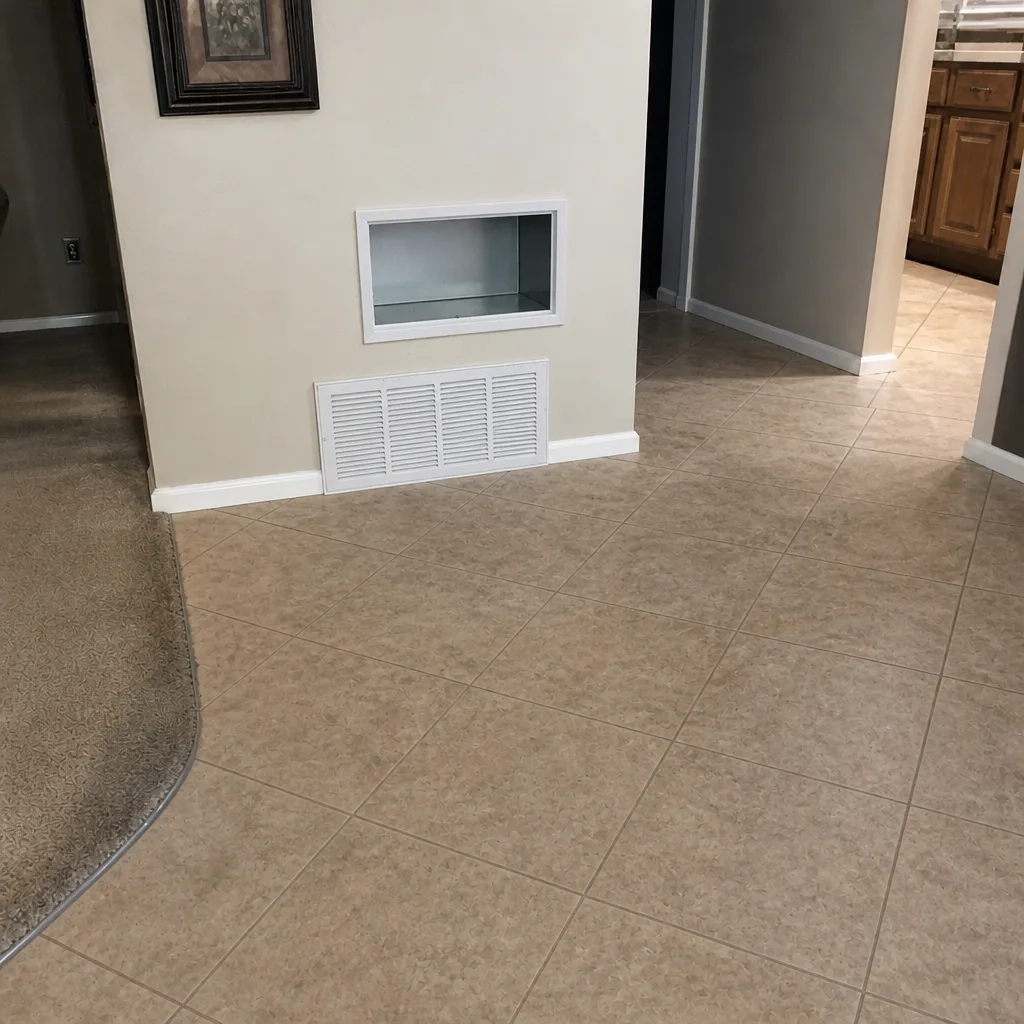 After
When to Call a Professional
Duct cleaning and repair are not DIY projects. The access points are confined, the spaces are hot, and the equipment required for real extraction is not something you can rent at a hardware store. Call a professional when you notice visible dust accumulating on surfaces shortly after cleaning, when rooms heat or cool unevenly, when your dryer takes multiple cycles to finish a load, when you’ve had a renovation or water event, or when you’ve lived in a new-build North Las Vegas home for a couple of years without ever inspecting the ducts. Also call if you see disconnected or sagging ductwork in an accessible attic or crawlspace, or if anyone in the home has unexplained allergy symptoms that worsen when the HVAC runs.
Lancaster Duct Cleaning offers free estimates in North Las Vegas. Call (866) 942-9753. We answer 24/7. Fast dispatch from 7am to 7pm, Sunday through Friday.
Frequently Asked Questions
Ask for the manufacturer and model of both the agitation system and the negative-air vacuum. Professional-grade companies will name brands like Rotobrush, Nikro, and Abatement Technologies immediately, and they’ll know their CFM rating. Vague answers about “industrial equipment” mean you’re talking to a low-tier operator. Call (866) 942-9753 and ask us directly; we’ll tell you exactly what we run and why.
Not necessarily. Franchise brands often run lower equipment tiers to protect their margin structure, while independent local operators can invest in contractor-grade systems. The variable that matters is the equipment, not the logo. Ask both the franchise and the independent the same equipment questions and compare the answers.
Without negative air pressure and containment, agitating duct interiors simply releases contaminants into the living space instead of capturing them. Abatement Technologies equipment keeps the work area under continuous suction so debris flows to the capture point. This is the difference between cleaning and redistributing.
Yes, if they offer repair as a named service. Lancaster Duct Cleaning offers air duct repair alongside cleaning, so a technician who finds a disconnected or damaged section can fix it in the same visit. Companies without repair capability will leave the problem and refer you to someone else, costing you a second appointment and more time with a leaking system.
Most North Las Vegas homes benefit from cleaning every 3 to 5 years, sooner after a renovation, water event, or if you have multiple shedding pets. The desert’s fine alkaline dust settles into duct systems quickly, and construction debris in newer northern developments makes an initial cleaning advisable within the first few years of occupancy. Our air duct cleaning service includes a visual assessment so you’re making a schedule decision based on your actual system, not a generic timeline.
Yes. We’re familiar with Honeywell and Aprilaire air quality systems, so we can contextualize your duct condition against your filtration and humidity control setup. That means the conversation covers the full indoor air quality picture, not just a cleaning price. For a free estimate in North Las Vegas, call (866) 942-9753 anytime. We answer 24/7 and dispatch crews from 7am to 7pm, Sunday through Friday.
The Bottom Line
The duct cleaning brand you hire is defined by the equipment manufacturer behind the process. In North Las Vegas, where desert dust, construction debris, and extreme attic heat all stress duct systems, that equipment tier determines whether you’re paying for real removal or cosmetic surface work. Ask for the agitation system, the vacuum manufacturer, the CFM rating, and the containment protocol. Seek a company that offers repair alongside cleaning, documents its work with photos, and has earned the trust of local HVAC and restoration professionals. The right choice is a single-call specialist running Rotobrush and Nikro with Abatement Technologies containment, and the phone call to verify it takes five minutes.
Call (866) 942-9753 for a free estimate. We answer 24/7. Fast dispatch from 7am to 7pm, Sunday through Friday.
Written by the team at Lancaster Duct Cleaning, serving North Las Vegas since 2013.